
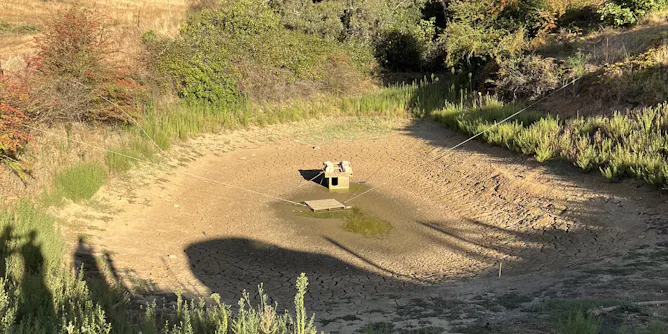
Water is being trucked into the Adelaide Hills and surrounds to fill empty rainwater tanks and dams. Is there a better way to cope with future water shortages?
Articles on drought response
Displaying 1 - 20 of 26 articles
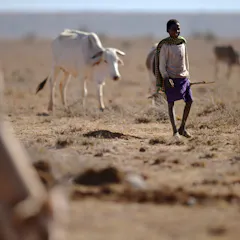
Instead of the deluge of external interventions, ways must be found to build resilience from below, drawing on local practices and networks.
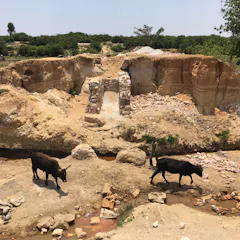
Despite international and national responses to the drought, the situation is dire. The government’s response is a lesson in how not to deal with drought.
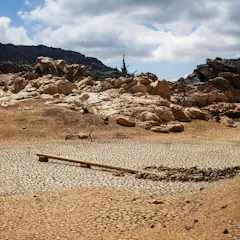
A consequence of a warming world is prolonged dry spells and periods of drought that can lead to infectious diseases like cholera.
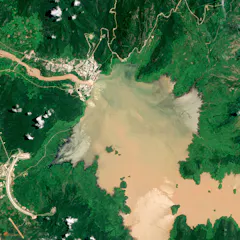
Nile communities carefully monitored and recorded the river’s flow. Centuries later these records are still being used by water resource managers around the world to analyse unpredictable river flows.
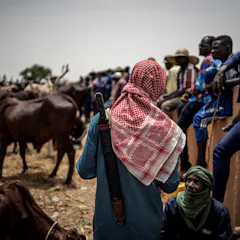
Changing climatic conditions and ecological hazards are an important migration driver in sub-Saharan Africa.
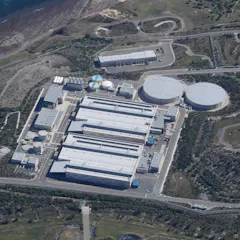
The Australian government is effectively spending A$95 million so it can sell water to farmers for A$10 million.
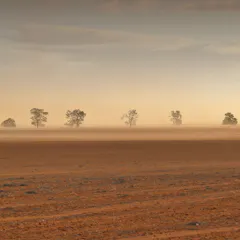
On two fronts now Morrison, who likes to be in control, is at the mercy of events he can’t control: the drought, and the IMF’s downgrading of Australia’s growth outlook.
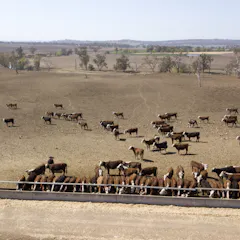
Yes, Australia naturally cycles through dry and wet periods. But that doesn’t mean we can simply build more dams and trust they’ll be filled.
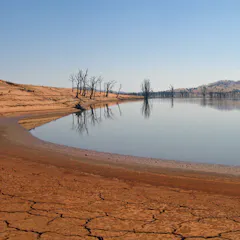
We can’t make it rain. But you are already helping if you don’t use more water than you need. And you can talk to your parents about the planet getting warmer, because the heat makes drought worse.
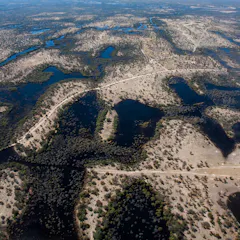
For hot, dry and water-stressed countries like Botswana and Namibia, high temperatures and droughts will be more severe than the global average.
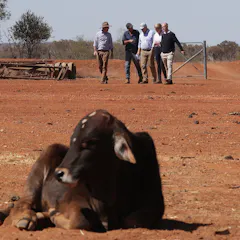
Having an envoy for drought and a prime minister keen to visit drought-affected areas puts the government under pressure to do the wrong thing.
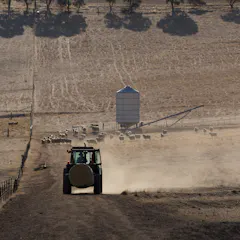
The government has offered emergency payments to drought-stricken farmers. But if we really care about them, we’ll also invest in long-term drought resilience measures to reduce impacts.

The drought in Cape Town has taught the city some valuable lessons.
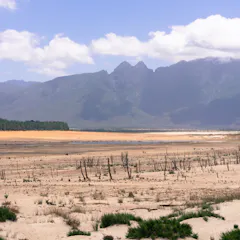
Cape Town is testing new strategies to nudge domestic users into reducing their water use.
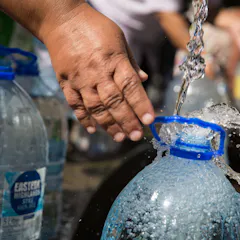
Day Zero will be the start of active water rationing when taps will be cut off and people will have to go to collection sites.
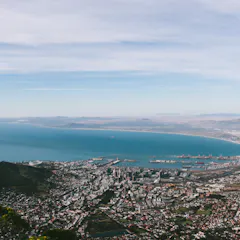
Global examples show South Africa that desalination could increase water output.

Cape Town’s new water map shows users who are within the water restriction limit.
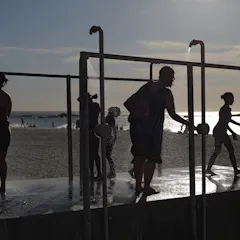
It’s important for the city of Cape Town to inspire residential trust in water restrictions. Without this, the harsh effects of the drought will be exacerbated.
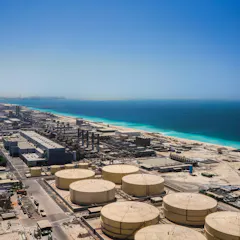
Desalination has been proposed as one of many strategies to deal with the water shortages. But the process is known to be expensive and harmful to the environment.
Top contributors
-

Senior Scholar in Environmental & Geographical Science, University of Cape Town
-
Postdoctoral Research Fellow, Global Change Institute, University of the Witwatersrand
-
Professor of Chemistry, Lectures and research Inorganic Chemistry; sustainable biomass and water desalination, University of KwaZulu-Natal
-
Professor, Department of Economics, The University of Melbourne
-
Senior research scientist, Stellenbosch University
-
PhD Researcher, University of Canberra
-
Professor in the School of Economics, University of Cape Town
-
Professor, University of British Columbia
-
Research Chair, African Climate and Development Initiative, University of Cape Town
-
Researcher and Project Manager in Agriculture, Food Security and Climate Change, University of Cape Town
-
Visiting professor, University of Saskatchewan
-
Postdoctoral Research Fellow: Climate Change Vulnerability, Adaptation & Governance - Adaptation at Scale in Semi-Arid Regions (ASSAR), University of Cape Town
-
Doctor of Philosophy, University of British Columbia
-
Senior Lecturer/Senior Researcher, Departmant of Geography, History and Environmental Studies, University of Namibia, University of Namibia
-
PhD Candidate in Public Health, University of Canberra