
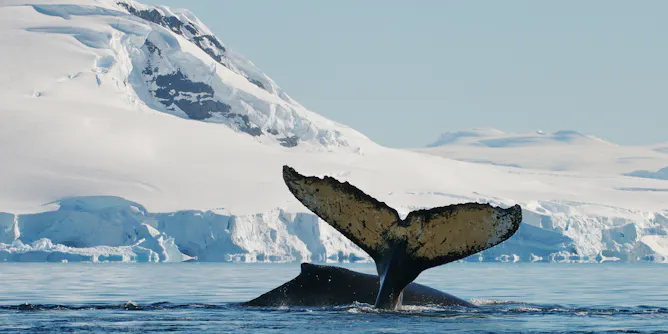
The cetacean brain has a specialised thermogenic system that helps the animal’s brain to produce enough heat to maintain a functional brain temperature.
Articles on Dolphins
Displaying 41 - 60 of 81 articles
It’s time to listen to warnings from the people of the Pacific.
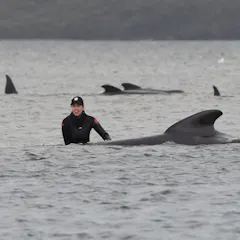
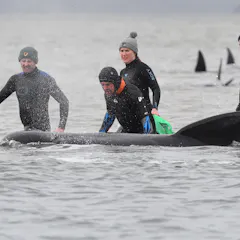
More than 450 long-finned pilot whales are stranded in Tasmania. Saving them is a race against time.
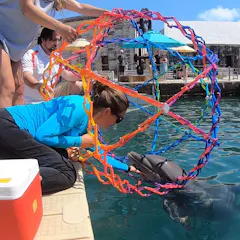
Wild dolphins are fast, smart and hard to study, but it is important to understand how human actions affect their health. So we are building a drone to sample hormones from the blowholes of dolphins.
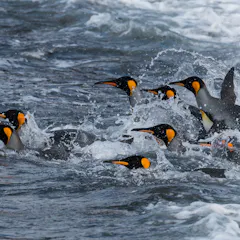
This study provides the first evidence that penguins emit sounds underwater when they hunt.
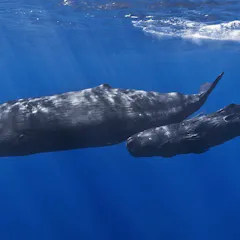
The Great Pacific Garbage Patch, a floating accumulation of rubbish the size of a continent, has whales and dolphins in its heart.

As the field of animal law continues growing, so does public awareness of the problems with inconsistent ways that Canadian law protects some animals, while leaving others behind.
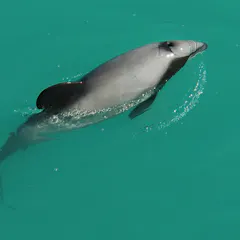
The endangered Hector’s dolphins are found only in coastal seas in New Zealand, but conservation experts describe New Zealand’s proposed protection plan for the marine mammals as misleading.
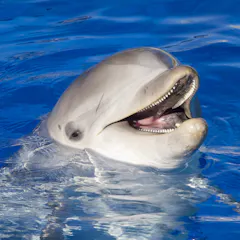
It was not until the late 1990s that the anatomy of the human clitoris was accurately described by Australia’s first female urologist. And now research in animals is starting to catch up.
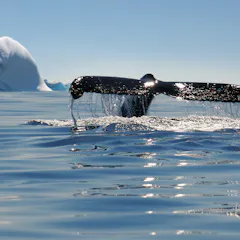
New research shows how marine mammals ignore the rules of biology to thrive in the world’s coldest waters
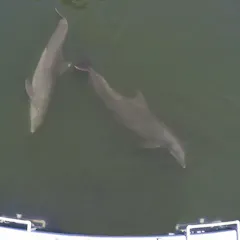
Dolphin pairs had to learn to push buttons at the same time to get a reward. So what happened when one dolphin figured that out, while the other still had to learn?
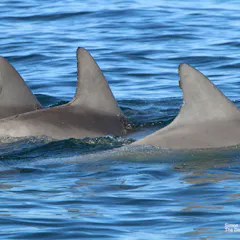
Researchers have discovered male bottlenose dolphins can retain individual vocal labels – or “names” – to help them recognise each other in their social network, much like humans.
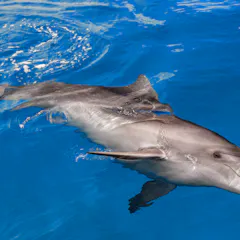
A new report will supply some information needed for science based conservation measures in the Red Sea.
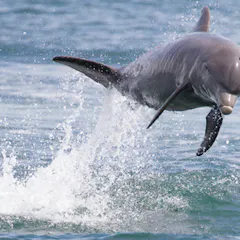
Researchers have found evidence of the same brain pathologies in dolphins that are present in the brains of humans who died with Alzheimer’s. What might this suggest about Alzheimer’s in humans?
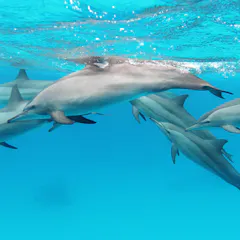
Complex behaviour such as regional accents and cultural food preferences in whales and dolphins seems to be linked to brain size.
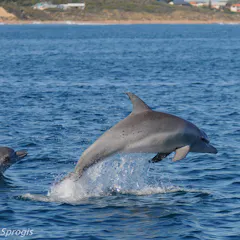
The dolphin population in parts of Western Australia more than halved one year, just as an El Niño event hit over in the Pacific. So what’s the connection?
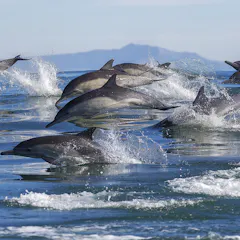
Marine mammals are often referred to as sentinels of the ocean and research on whales and dolphins in particular contributes important knowledge about the health of our seas.
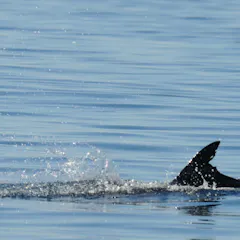
It’s not easy to tackle a live octopus - so many arms, all those suckers! But some bottlenose dolphins have found a way to defuse and eat these eight-armed sea creatures.
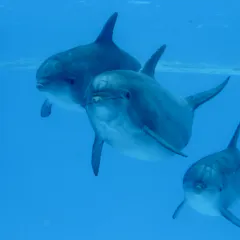
A new study of captive dolphins has found that those engaging in synchronised swimming make more optimistic judgements about an unknown event.
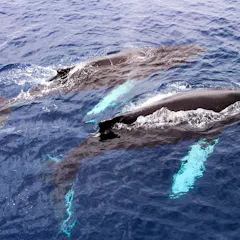
Size doesn’t always matter when it comes to the pitch of your voice, especially if you’re an aquatic mammal.
Top contributors
-

Associate Professor of Biology, Stephen F. Austin State University
-
Lecturer in Biological Sciences, University of Wollongong
-
Lecturer, UWA Oceans Institute, The University of Western Australia
-
Whale Scientist and Lecturer, Faculty of Science and Engineering, Macquarie University
-
Professor of Marine Ecology, Te Kunenga ki Pūrehuroa – Massey University
-
Associate Professor, Research Leader of the Cetacean Ecology, Behaviour and Evolution Lab, Flinders University
-
Senior Lecturer and Branco Weiss Fellow, University of Bristol
-
Honorary Professor at Bangor University; Director of Sea Watch Foundation, Bangor University
-
Senior Lecturer in Zoology, Bangor University
-
Research Fellow in Marine Science and Manager Whales & Climate Program, Griffith University
-
Senior Researcher in Marine Biology, Aarhus University
-
Lecturer, College of Science and Engineering, James Cook University
-
Associate Professor, College of Business, Law & Governance, James Cook University
-
Professor, Cetacean Research Unit, Murdoch University, Murdoch University
-
Professor Evolution & Ecology, UNSW