
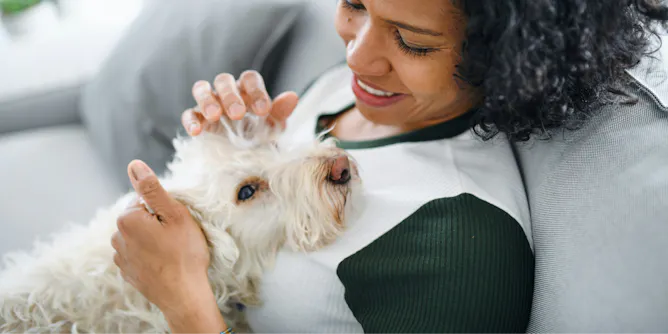
Pregnancy dramatically changes the lives of expectant parents, and many dog owners see their dogs change with it.
Articles on Dog behaviour
Displaying all articles
We’ve genetically selected dogs to want to be with us, and unfortunately this means many don’t cope well when they’re alone.
Boarding facilities during peak periods can stressful environments for dogs and cats. Some may not be suited to it at all.
Being out in nature is beneficial for both us and our dogs – but we can’t forget about the wildlife that calls it home.
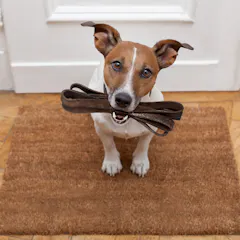
There are simple explanations for what may seem like complex behaviours in dogs.
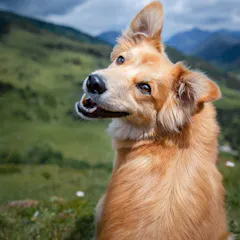
If we weren’t here to shape, feed and care for our dogs – how might they change?
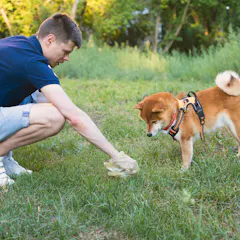
And what about the old water-bottles-on-the grass trick? Does that actually work?
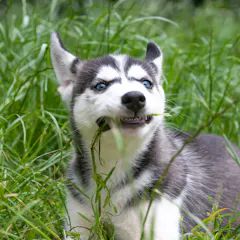
Studies in Yellowstone National Park show plant matter (mostly grass) is found in up to 74% of wolf scats, suggesting the behaviour may be inherited from the beginning of doggy time.
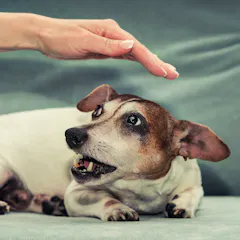
Companion dogs respond to their environments and their owners’ sense of well-being. When owners are stressed and anxious, dogs can exhibit undesirable behaviours.
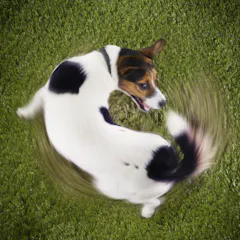
A proposed scientific name is frenetic random activity periods (FRAPs). In rabbits, these high activity periods are called ‘binkies’. But many cat and dog-owners simply call them ‘zoomies’.
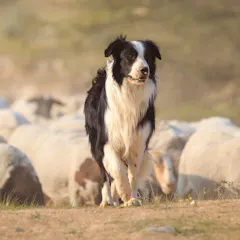
Breed matters. But dogs are mostly what we make of them, and they repay the effort we put into their behaviour tenfold.
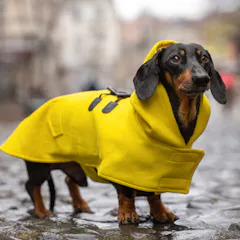
Want to check your canine friend isn’t suffering when an Antarctic blast hits? Start with their ears and feet.
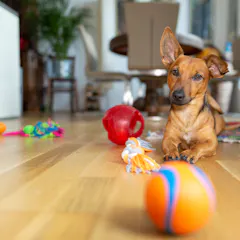
Just like their owners, many pet dogs are finding the current changes difficult – here’s how you can help them.

Taking a walk in a puppy’s paws can help us understand humankind’s best friend.
Top contributors
-

Postdoctoral Researcher in Veterinary Science, University of Sydney
-
Associate Professor, School of Animal and Veterinary Science, Adelaide University
-
Research Fellow, Animal Welfare Science Centre, The University of Melbourne
-
Researcher, School of Animal and Veterinary Science, Adelaide University
-
Associate Lecturer Department of Psychology, University of York
-
Researcher, Animal Behaviour, Welfare and Anthrozoology Lab, Adelaide University
-
Professor, School of Veterinary Science, University of Sydney
-
PhD candidate in Veterinary Bioscience, Adelaide University
-
Research Associate - Pawsitive Connections Lab, University of Saskatchewan
-
Senior Lecturer in Psychology, CQUniversity Australia
-
Post doctoral fellow, Mount Saint Vincent University
-
Visiting Assistant Professor, Florida Institute of Technology