

“Shaming campaigns” have been successful in attracting attention to transnational issues like inhumane working conditions and environmental degradation. But shaming guilty corporations is only the first step.
Articles on Divestment
Displaying 21 - 40 of 56 articles
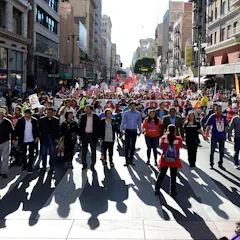
A grassroots opposition movement against the Donald Trump presidency is growing. The question is can it be harnessed into globalised sanctions campaign?
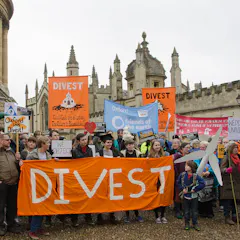
Most businesses construct climate risk solely through the lens of profitability and market opportunity.

Risk management for climate change is starting to impact our day-to-day lives.
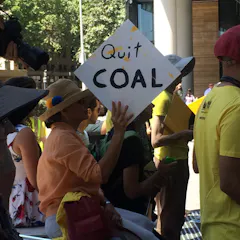
The pressure for organisations to divest from fossil fuels is coming from institutions with relatively little financial clout. But soon the richest and most powerful will have no choice but to join in.
This week The Guardian published a long-form profile by veteran journalist Gideon Haigh of Dr Bronwyn King. I wrote a column about her last October when her efforts to persuade the Australian superannuation…
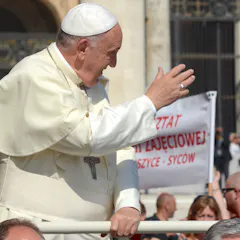
A year ago Pope Francis called for better protection for the environment. Now Catholic institutions look poised for widespread divestment from fossil fuels.
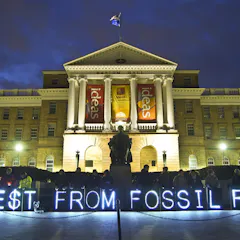
The broad principle of companies, government bodies and universities divesting from oil, gas and coal companies is sound. But its application needs more sophistication.
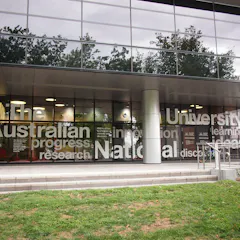
The Paris climate deal has supposedly sent a signal to the wider world that now is the time to pull out of fossil fuel investments. Universities can set the pace – but they need to do more.

The global economy is already unsustainable – let alone if it gets bigger.
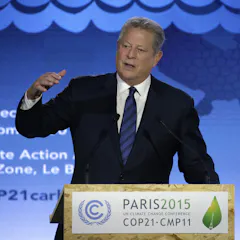
With the main UN climate negotiations grinding along elsewhere in the building, Al Gore told a packed side event about his vision for a low-carbon economy.

There are ‘fossil free’ campaigns at 15 Australian universities, but yet no university has fully committed to divesting in fossil fuels.

Efforts to break our financial addiction to the energy sector might find useful lessons in the slow decline of tobacco.
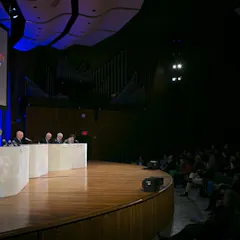
MIT has angered fossil fuel divestment proponents, but its strategy of industry engagement is ultimately more effective.
Australia’s biggest banks seem more concerned with disclosing how much paper they recycle than their lending exposure to coal mines.

Amid jeers of hypocrisy and cheers of climate leadership, what can we really say about this policy move in one of New South Wales’ historic coal towns?
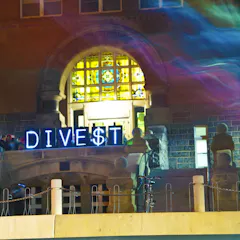
There are increasingly very sound financial reasons for super funds to strategically divest from some areas.

Sanctions have a terrible track record of success because they’re usually too weak to work and too easy to get around.
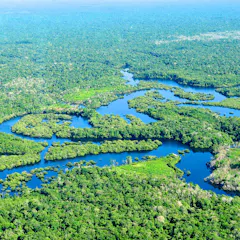
Divestment campaigns aim to halt the use of fossil fuels, but the climate can be also stabilized through ‘recarbonization’ techniques, such as reforestation and changing agricultural practices.
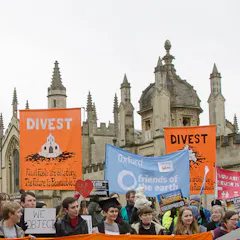
Selling shares in polluting energy companies just leaves these firms in the hands of less concerned owners.
Top contributors
-

Professor, School of Economics, The University of Queensland
-
Professor of Accounting, Durham University
-
Professor of Sustainable Finance and Banking, University of Waterloo
-
Research Fellow, Melbourne School of Government, The University of Melbourne
-
Postdoctoral Research Associate in Existential Risk, University of Cambridge
-
Professor of Finance, Lancaster University
-
Director of the Project on International Security, Commerce and Economic Statecraft, University at Albany, State University of New York
-
Associate Professor, University of Tasmania
-
Professeur de finance responsable et directeur du MSc Corporate and Sustainable Finance de Kedge Business School, Kedge Business School
-
Emeritus Professor, Energy and Climate Mitigation, Te Kunenga ki Pūrehuroa – Massey University
-
Professor and Chair, Tax and Transfer Policy Institute, Crawford School of Public Policy, Australian National University
-
Professor of Communication, Public Policy & Urban Affairs, Northeastern University, Northeastern University
-
Master of Climate Change Program, Australian National University
-
Lecturer, University of York
-
Professor, University of Cape Town