

New research reveals how carers lack necessary support for their own wellbeing.
Articles on Disability
Displaying 221 - 240 of 668 articles

Our study shows when children first present for neurodevelopmental assessment they are also likely to have mental health concerns.

Capturing the experiences of students who are deaf or hard of hearing is important so schools can address fatigue related to listening and communicating efforts.

Though more research is needed, the idea is a relatively small amount of support early on can help prevent future difficulties.

When a person with dementia is in distress, they need calm and caring treatment to protect themselves and others – but prevention should be the goal.

Plans to use buying power to save money on assistive technology for NDIS participants should be approached with caution. Otherwise, savings may come at the cost of a person-first approach.

Given the lack of progress to date, three new budget initiatives are unlikely to achieve the 2025 target of no Australians living in institutions meant for much older people.
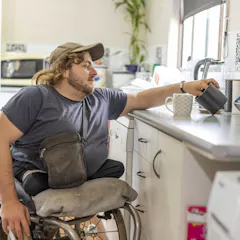
People with disability have a worrying sense of deja vu about the current NDIS cost concerns.
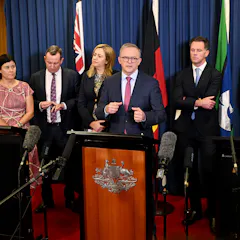
The May 9 budget will include a $2.2 billion suite of measures to seek to ease pressures in primary health care and hospitals, as well as containing initiatives directed towards the crisis in the rental…

All instructors, regardless of the field, can promote mental health both by sharing specific resources and by designing accessible and flexible courses.

If people with disability can’t access the NDIS, they’re often left without any services or supports. This needs to change.

Our analysis of part-time work and its impact on wellbeing shows getting more people with disability into employment could save millions in health-care costs.

Ensuring public transport vehicles comply with the laws on disability access is just the tip of the iceberg. Access issues across the transport system point to the need for on-demand services.
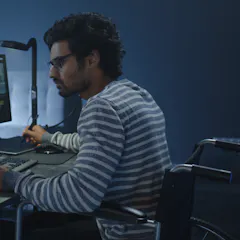
Our report is the first in-depth research into the experiences of and attitudes towards disabled people in the Australian screen industry.

As federal and provincial governments bring in measures to make child care more affordable, the voices and needs of children with disabilities must not be ignored.
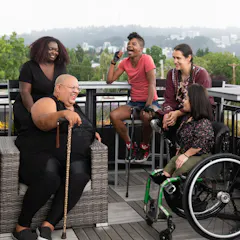
There could be lots of reasons why people with disability decline or don’t want offers of help. Research at the Dignity Project at Griffith University shows there is no ‘one-size fits all’ approach.

Less than a quarter of disability services who responded to a workforce survey employed people with disability.

The war on straws is an example of ‘eco-ableism’ – when environmental measures create an extra burden on people with disability.

Parents and carers might be worried a child is slow to talk or can’t seem to maintain attention. But getting a proper assessment can take years and connecting to support, even longer.
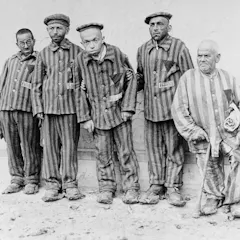
In 2023, International Holocaust Remembrance Day marks 90 years since the Nazis assumed power. Disabled people were the first Holocaust victims; Nazi programs discriminated against and murdered them.
Top contributors
-

Professor, Public Service Research, UNSW
-
Professor, University of Sydney; RMIT University
-
Adjunct Professor, Summer Disability Research Centre, La Trobe University
-
Professor, Rehabilitation, Ageing and Independent Living Research Centre and Occupational Therapy Department, School of Primary and Allied Healthcare, Monash University
-
Professor of Social Inclusion - UTS Business School - Co-Lead UTS Disability Research Network - Australian Centre for Olympic and Sport Studies - Centre for Sport, Business and Society, University of Technology Sydney
-
Senior Research Fellow, Crawford School of Public Policy, Australian National University
-
Professor, Social Policy Research Centre, UNSW
-
Professor in Internet Studies, Curtin University
-
Senior Lecturer of Wellbeing Science, The University of Melbourne
-
Professorial Fellow, University of Canberra
-
Professor of Sociology, University of Alberta
-
Associate Professor, Sociology, University of Toronto
-
Lecturer, Australian Catholic University
-
Adjunct Associate Professor, Murdoch University
-
Professor, Director, Griffith Inclusive Futures, Griffith University, Griffith University