
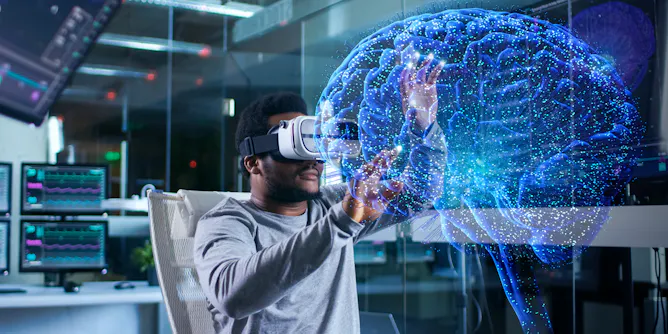
A research lab at the University of Saskatchewan is pursuing the applications of artificial intelligence and machine learning to healthcare diagnoses.
Articles on Digital healthcare
Displaying 21 - 40 of 46 articles
Using smartphones and wearable devices to identify mental health symptoms and deliver psychotherapy will allow more people to access quality care, according to one psychiatrist.

The opt-out period for the controversial My Health Record scheme is
being extended again – this time to January 31.

If you carry your smartphone with you everywhere, then the data it tracks could provide a comprehensive picture of your health – and alert you if it begins to deteriorate.

Gadgets that tell too many people to go to the doctor are a worry, but the growing enthusiasm for health monitoring should be encouraged.
If you’re opting out of My Health Records, you’re opting in to “business as usual”. Here’s what the current system looks like.

Concerns about the scheme have prompted some Australians – including Liberal MP Tim Wilson and former Queensland premier Campbell Newman – to opt out.

Sweden’s deep relationship with digital technology helps explain why its biohacking scene is so unique.

Sex-education curricula that openly discuss sexting, consent and other online behaviours have never been more important for teens – in Ontario and globally.
How a technology born from finance – the blockchain – can help the pharmaceutical industry to carry out clinical trials that protect patients.
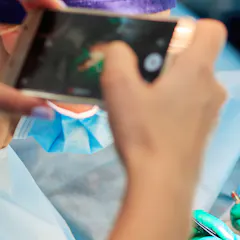
Has your doctor ever taken a photo of your medical condition? It’s really useful to aid diagnosis, but we still don’t have the right legislation to ensure legal and ethical protections.

Data ethics should pay much more attention to the social value of research
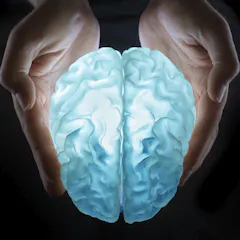
From cheap prosthetic arms for landmine victims in Sudan to the promise of surgery on astronauts in space — 3D printing is sparking a healthcare revolution.
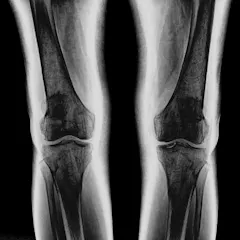
Once online, our healthcare data could be used for research long after we’re gone.

Confidential data and even human lives are at risk thanks to the huge spread of connected technology in healthcare.
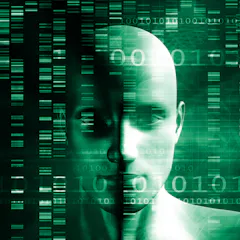
A freedom of information request reveals that Google wants its AI company DeepMind to get involved in the 100,000 Genomes Project.
There are many obstacles to bringing the power of 21st-century technology to the NHS. But that shouldn’t stop us trying.

Passing on health information of ‘migrants’ seeking help goes against doctor-patient confidentiality and also poses a public health risk. A doctor spells out her concerns.
A new diagnostic smartphone app is a modern move for the health provider.

Smartphones, tablets and computers are increasingly expanding the availability of health services. This means we can access help anonymous at a time and place that suits us.
Top contributors
-

Lecturer in Applied Health Sciences, University of Aberdeen
-
Professor, Ted Rogers School of Information Technology Management, Toronto Metropolitan University
-
Professor of Practice in Digital Health, Monash University
-
Research Team Leader, CSIRO
-
Associate Dean (Learning & Teaching) Faculty of Creative Industries, Education and Social Justice, Queensland University of Technology
-
Professor, Department of Obstetrics & Gynecology; Director, Behavioral Health and Research, The University of Texas Medical Branch
-
PhD student in Clinical Psychology, University of Calgary
-
Director of Health Programs, BehaviourWorks Australia; Lead, Monash-McMaster Social Systems Evidence Collaboration, Monash Sustainable Development Institute, Monash University
-
Group Leader, Health Services, Digital Productivity Flagship, CSIRO
-
Professor of Visual Computing, University of Bradford
-
Research scientist, CSIRO
-
Professor, Canada Research Chair in Determinants of Child Development, Owerko Centre at the Alberta Children’s Hospital Research Institute, University of Calgary
-
Professor, Heart Foundation Future Leader Fellow, IMPACCT, Faculty of Health, University of Technology Sydney
-
Professor of Mobile Media and Games., RMIT University
-
Lecturer, University of South Africa