
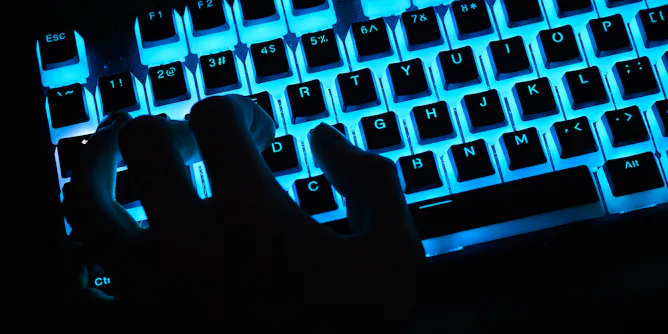
An overnight update to Counter-Strike 2 erased billions of dollars in valuable digital assets that players had accumulated. The law gives them almost no recourse.
Articles on Digital art
Displaying 1 - 20 of 29 articles
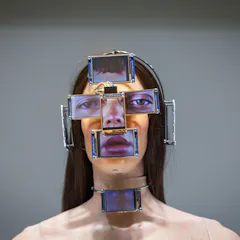
How technology has changed how we craft our digital selves is explored in this exhibition.
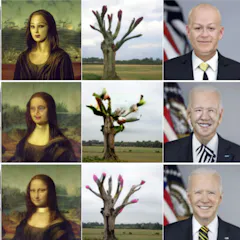
Visual artists draw from visual references, not words, as they imagine their work. So when language is in the driver’s seat of making art, it erects a barrier between the artist and the canvas.

Artists and photographers have strongly opposed their distinct styles being replicated by AI image generators. And the law has yet to catch up with this issue.
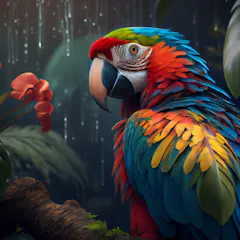
Users are having a blast getting creative with AI generators – but your output is only ever as good as your prompt.
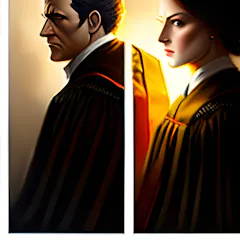
Lensa is the new AI digital artist you can keep in your pocket. Its ‘creations’ have taken over Twitter and Instagram – but the reception has been mixed.
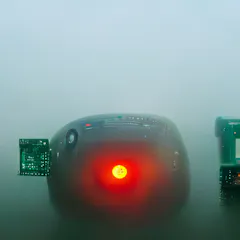
My first image requests were whimsical queries, nocturnal flights of fancy, gentle tentative casts into the virtual spirit world.
The text-to-art program DALL-E 2 generates images from brief descriptions. But what does it mean to make art when an algorithm automates so much of the creative process itself?
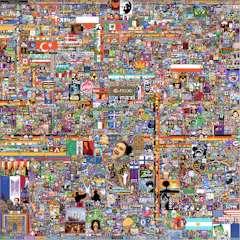
Users can place one pixel every five minutes: it’s collaboration at its best, destructive chaos at its worst.
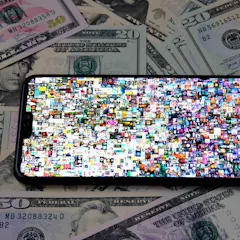
The digital collectors items have become a multi-billion dollar industry in a matter of months.

Where some see a bubble waiting to burst, others see a reinvention of the way we handle ownership of assets.
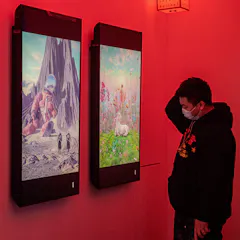
NFTs are made the same way as crypto coins, but where every crypto coin is like every other, each NFT is a unique digital item – from images to sound files to text.
If you look at the reasons people buy art, almost none of them have to do with the physical work.
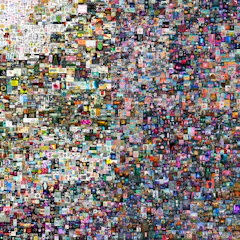
To quote the artist: ‘bruh… this crypto space seems super interesting though and i see a ton of potential to do some weird shit nobody has done yet.’
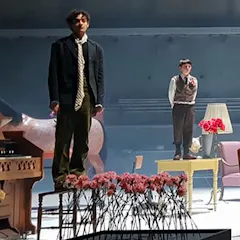
In a year of lockdowns, The Impossible Project gives life to shows that never reached the stage. More than 150 events are listed on this online archive, and sadly, more are likely to come.
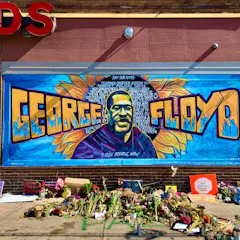
Digital artwork has helped campaigns such as the #ClimateStrikeOnline thrive on social media. Through three examples, I explore why digital arts can sustain political engagement amid the pandemic.
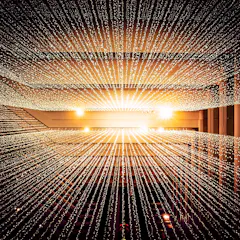
Human existence is now permeated by computer language. Digital artists combine human and computer codes to create digital poetry.
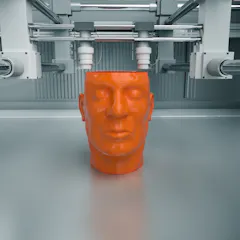
Museums are experimenting with 3D printed replicas of artefacts – meaning that the public can get closer to cultural heritage than ever.
More innovative teaching and learning is needed to disrupt the current techno talk about the fourth industrial revolution.
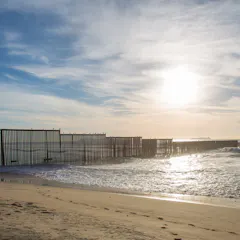
Activist art makes clear that the border dynamic is a lot more complex than Trumps’s ‘them/us’ rhetoric.
Top contributors
-

Affiliate Faculty of Computer Science, University of Washington
-
Lecturer in Digital Media, CQUniversity Australia
-
Senior Lecturer in Writing, Bangor University
-
Lecturer, Directorate Teaching Program, Lecturer in Interactive Art Media, FFAM, The University of Melbourne
-
Professor in department Law, Managment, and Social Sciences, EM Lyon Business School
-
Associate Professor of Design Science, Queensland University of Technology
-
Lecturer in American Studies, University of Hull
-
Researcher in Virtual Reality, Auckland University of Technology
-
Professor in Hispanic Studies, University of Liverpool
-
Professor and Dean of Humanities, University of the Witwatersrand
-
Professor in Digital Arts, Royal Holloway, University of London
-
Professor of Computer Science and Director of the Art & AI Lab, Rutgers University
-
Lecturer in Financial Technology, University of Strathclyde
-
Research Professor of Computing, Informatics and Decision Systems Engineering, Arizona State University
-
Assistant Professor in Digital Arts and Humanities, University of Canberra