

For young people living in seaside towns year-round, there’s little to do – and youth services are crumbling.
Articles on deprivation
Displaying 1 - 20 of 27 articles

Boosting education and skills training as well as improving transport and strengthening social protection would help people out of extreme poverty.
People living in the poorest parts of England were at a more than 70% higher risk of dying from cancer compared to those living in more affluent areas.

Research shows that coastal communities such as Blackpool have worse health and economic outcomes than their inland neighbours in the UK.
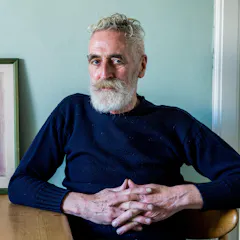
Scotland has lost a wonderful writer and artist in the Paisley-born artist.
To be homeless is a condition in which a person’s freedom is profoundly compromised. And that’s un-American, says a philosopher.

Infrastructure development in Northern England has been increasingly muddled in recent years. Few will be convinced by Sunak’s new pledge to fix this.

Deprived areas were by far the hardest hit.

Deprivation in childhood is a strong predictor of obesity, gambling, smoking and addiction in adulthood.

Tax cuts could ease the burden on households and small businesses that are struggling, alongside tax increases for large firms.
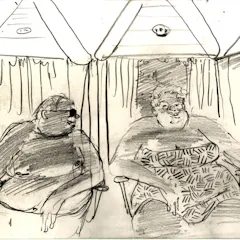
These ten drawing show the realities of life at the English seaside in 2021.

The cost of the Olympics is often justififed by the investment and regeneration hosting brings about. Local residents, though, rarely benefit
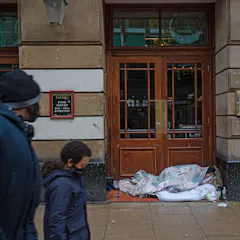
New research has shown that the impact of COVID in Greater Manchester is linked to socio-economic deprivation. The authors say their findings are replicable across the UK.

Access to parks and green space in England’s cities is far from equal.

People in precarious employment are hit hardest by economic shocks.

New research shows that men living in the most deprived areas were 51% more likely to experience depression than those living in areas that were not deprived.
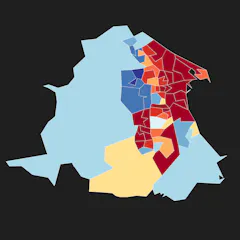
When mapping deprivation, using traditional boundaries can distort the data and distract readers from important information.

Poverty leaves people feeling unable to take responsibility for their future – but community programmes can empower young people to take control.

Knife crime incidents are individual tragedies, but rising homicide rates reveal a changing society which is ill at ease.
It is clear nature and nurture are factors in suicidal behaviour. But how they interact now needs to be investigated further.
Top contributors
-

Mental health researcher, University of Cambridge
-
Professor in Environmental & Landscape Planning, University of Manchester
-
Professor of Economic Geography, University of Bristol
-
Senior Lecturer in Teacher Education, Psychology, Sociology and Education Division, Queen Margaret University
-
Professor of Housing and Social Inclusion, Nottingham Trent University
-
Senior Research Associate, University of Bristol
-
Associate Research Fellow, European Centre for Environment and Human Health, University of Exeter
-
Research Fellow in Rural Health and Care, University of Lincoln
-
Professeur des universités, Université Paris 1 Panthéon-Sorbonne
-
Professor of Psychology, Aston University
-
Professor of Economics, Stellenbosch University
-
Lecturer in Event Management, University of the West of Scotland
-
Lecturer in MA Creative Media Practice, University of the West of Scotland
-
Economist and Postgraduate Supervisor, University of Lancashire; Keele University
-
Researcher in Social Epidemiology, University of York