

Artificial intelligence insatiable data needs has encouraged the mass collection of personal data, placing privacy at risk. But AI can help solve the very problem it creates.
Articles on Data collection
Displaying 41 - 60 of 97 articles

Smartphone apps and wearable devices can tell when workers have been within six feet of each other, promising to help curb the coronavirus. But they’re not all the same when it comes to privacy.
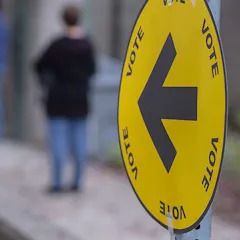
Political parties protect themselves rather than voters in refusing to be bound by privacy laws.
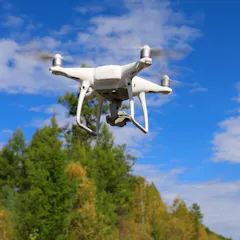
Drones have proven extremely useful for research, collecting detailed data to help monitor hard-to-access areas.

A major cyber attack on a data lake could have immense consequences for any of us. And the damage could be felt anywhere from banking to the healthcare sector.

As Australia considers its next national mental health survey, it’s crucial to include eating disorders. If we don’t have good data on how many people are suffering, we can’t come up with solutions.

South Africa’s data collection is constantly improving. That’s especially true when it comes to metrics that weren’t collected or were distorted for political purposes during apartheid.

How did we become so submissive to a condition of constant surveillance that – except in spy movies or paranoid delusions – would have been considered preposterous a few decades ago?

Data is essential for proper planning, budgeting and implementation of health care policies.
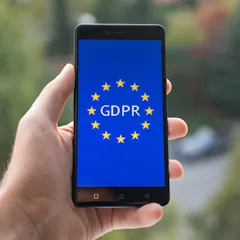
By choosing to deal with companies with better data protection policies, Australian consumers can create pressure for change in how personal data is handled across the board.

Toronto’s Quayside smart city project needs a new, truly consultative process. An innovative method used by Brazil to develop its landmark Internet Bill of Rights may be the answer.

The routine gathering and monetisation of vast amounts of personal data has been normalised.
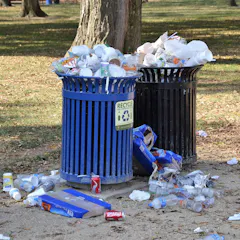
Researchers are installing sensors to collect data about the use of public spaces. This can improve the management and public amenity of these places, but will users see the technology as intrusive?

Third party data brokers trade in personal information and the industry is worth billions. But the activities of these companies remain largely invisible. It’s time to shine a light.

The rapid penetration of internet technologies in Africa provides hope for e-commerce’s continued growth. Potential online stores need to understand what draws or pushes customers away.

How can African research universities be more responsive to African countries’ needs? And how can these universities work together to leverage funding for research informed by African realities?

Very few African universities offer postgraduate degrees in astronomy. This gap in knowledge and training can be addressed through international partnerships and collaboration.

More and more Africans are becoming citizen scientists – and the benefits are huge both for them as individuals and for science on the continent.

Companies are excellent at offering apps and services in exchange for users’ data. This approach can also be a big boost to scholarly research.
Analyzing big data sets holds the promise of big insights. But the axiom “garbage in, garbage out” is particularly apt, since conclusions can be only as good as the raw data itself.
Top contributors
-

Associate Professor, School of Law, University of Canberra
-
Professor and Canada Research Chair in Communication Policy and Governance, McMaster University
-
Affiliated Faculty Member, Institute for Computational and Data Sciences, Penn State
-
Reader in Sociology, Cardiff University
-
Professor of Internet Studies, Curtin University
-
Senior Lecturer in Politics and Sociology, Swinburne University of Technology
-
Associate Professor, School of Engineering, RMIT University
-
Postdoctoral Fellow, Centre for Transformative Media Technologies, Swinburne University of Technology
-
Research associate in environmental governance, Cardiff University
-
Professor in science and technology studies, Cardiff University
-
Professor of Marketing, University of Sydney
-
Research Assistant, Faculty of Law, Queensland University of Technology
-
Associate Professor in the School of Computer Science, Northumbria University, Newcastle
-
Professor, Director: School of Consumer Intelligence and Information Systems, University of Johannesburg
-
Deputy vice-chancellor (Research), Edith Cowan University