
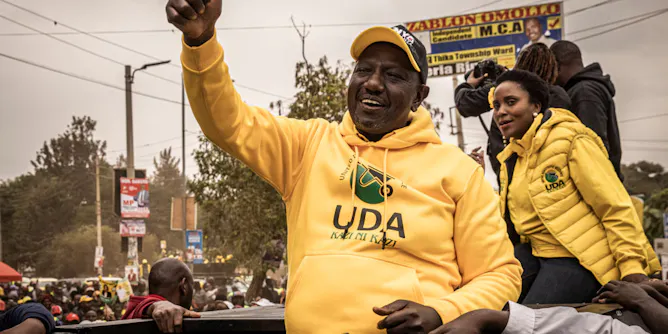
The state’s efforts to quell public protests show some worrying similarities to the past.
Articles on Daniel arap Moi
Displaying all articles
Satire and humour have always been sites for popular engagement with the state in Kenya.
You can count on Mama Ngina Kenyattta to defend the family name, in good times and bad.
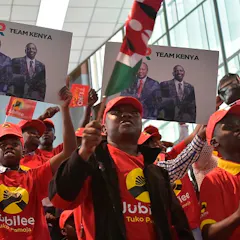
The fluidity of the country’s short-lived coalitions is a major cause of instability in Kenya.
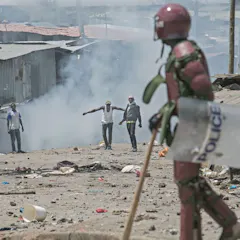
Political protests in Kenya have become insular, sectarian, tribal and unashamedly personality driven.

Kibaki’s goals were to expand access to education, and to make universities more efficient and self-sustaining.

Nyachae always served at the intersection of politics and administration. Nevertheless, he was more of a firm manager than a politician.
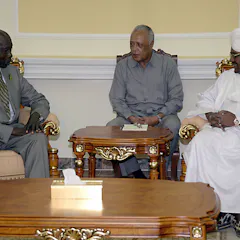
Kenya’s second president played a big role in steering South Sudan to freedom and independence.
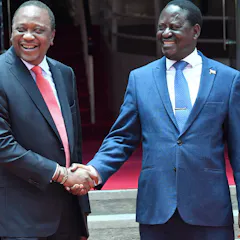
Even in the most tense and dangerous of moments, the elite has found a way to come back together.
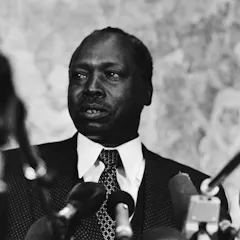
The former president’s stranglehold on the press made it very difficult for journalists to do their jobs.

Political legacies generated during authoritarian rule have a tendency to transcend into the multiparty era.
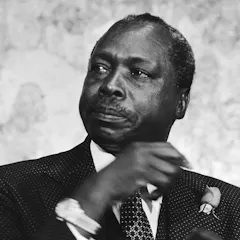
Moi’s financial generosity, skills in the vernacular, frequent tours of the countryside, and excellent memory for names and faces kept him popular with many.
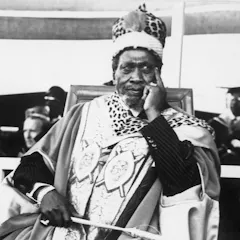
The crisis at Nairobi University falls within an established pattern of government intervention in universities going back decades
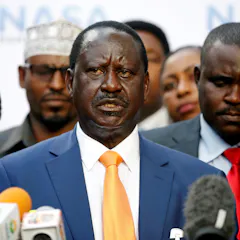
Kenya’s upcoming poll will continue despite opposition leader Raila Odinga’s decision to exit lawful processes prematurely. This will mean Kenyatta will likely win his second term in a row.
Top contributors
-

Professor of Comparative Politics, University of Warwick
-
Professor of Media Industries, University of Nottingham
-
Research Professor, Institute for Development Studies (IDS), University of Nairobi
-
Associate Professor, Department of Peace and Conflict Research, Uppsala University
-
Jan Smuts Professor of International Relations and Director of the African Centre for the Study of the United States (ACSUS), University of the Witwatersrand
-
Professor of Peace and Conflict Research, Uppsala University
-
International Relations Scholar, University of the Witwatersrand
-
Adam Smith Fellow, Mercatus Center, George Mason University
-
Elise Richter Fellow, Senior Postdoctoral Researcher, Universität Wien
-
Professor of Research, Foundations & Higher Education, Northern Arizona University
-
Senior Lecturer, Institute of Diplomacy and International Studies, University of Nairobi
-
Associate Professor, University of Central Arkansas
-
Professor of Democracy, University of Birmingham
-
Professor Emeritus of Political Science, University of California, Berkeley
-
Postdoctoral Researcher, Faculty of Law, University of Oxford