

While some creators proudly embrace the label of sex worker, many others reject it outright.
Articles on Cybersafety
Displaying 1 - 20 of 48 articles
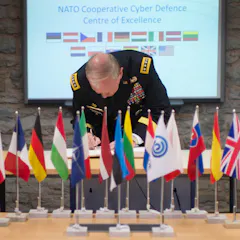
Will the UK’s new Cyber Action Plan staunch the flow of attacks? Other countries are leading the way in cyber-defence strategies.
Ransomware is a growing threat on the continent. There are a number of steps companies can take to combat it.

A new book draws on over 600 cases of users tricked by fake listings and fake reviews, scammed out of money or placed in physical danger.
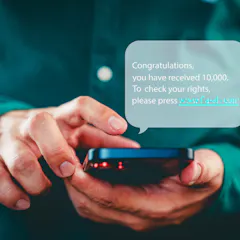
Last year, Australians lost more than $2.7 billion to scammers. The government’s new scam prevention framework is currently open for public consultation.
Instead of just banning young people from social media, the government should develop and fund better social media literacy programs for them.

Is it reasonable to occasionally inspect a 13- or 14-year-old’s device, or does this undermine a new sense of privacy at this stage?

The padlock symbol simply means that the data being sent between the web server and the user’s computer is encrypted and cannot be read by others. But many people don’t know that.

The Snake network has been detected in more than 50 countries, including Australia.
Many organisations abide by a “zero trust” rule wherein absolute trust is placed in nothing, apart from a central identity and access management system. But what happens when this system is breached?

These days sophisticated malware can spread like wildfire, thanks to transnational businesses and organisations providing bridges across countries.

For women outside urban Australia, technology-enabled abuse can pose more risk than for those in cities.
Data breaches have become a fact of life. Here are articles from The Conversation that detail the threat, why it happens and what you can do to protect yourself.

When tech companies aim for ‘safety by design’, they can reduce the risk their products will be weaponised for stalking and domestic violence.

Many parents install apps onto their kids’ phone to restrict their online activity, especially if it may be dangerous. But a lot of personal data requested by the apps is sold to third parties.

The outdated Microsoft operating system was recently dumped online in a huge leak. Hackers can now scour it for bugs to exploit.

Beyond the obvious risk of financial loss, cyberattacks can weaken our trust in digital infrastructure – and by extension, our trust in public institutions, too.

Legislation expected to be put to Parliament later this year may very well fall short due to COVID-19’s budget impacts. But until we strengthen our cyber defences, we’re all at risk.

Last year, men were more likely to report losses to investment fraud, while women were the main target for romance fraud. Overall, men reported higher financial loss.

Parents should have conversations with children from a young age about cybersecurity if they’re to develop the skills needed to be safe online.
Top contributors
-

Researcher, Digital Wellbeing, Western Sydney University
-
Associate Professor, School of Engineering, RMIT University
-
Lecturer in Computer Security, University of Kent
-
Associate professor, Monash University
-
Professor of Cyber Security Practice, Edith Cowan University
-
Director of ECU Security Research Institute, Edith Cowan University
-
Assistant researcher, University of Sydney
-
Visiting Fellow, The University of Queensland
-
Director: Advanced Cyber Security Research Centre, Macquarie University
-
Professor of Clinical and Forensic Psychology, Swinburne University of Technology
-
Professor, Department of Computer Science, University of Surrey
-
Lecturer, School of Law and Criminology, Murdoch University
-
Assistant Professor of Sociology, Old Dominion University
-
Professor Communications and Media, University of Canberra
-
Adjunct Fellow, School of Psychological Sciences, Macquarie University