
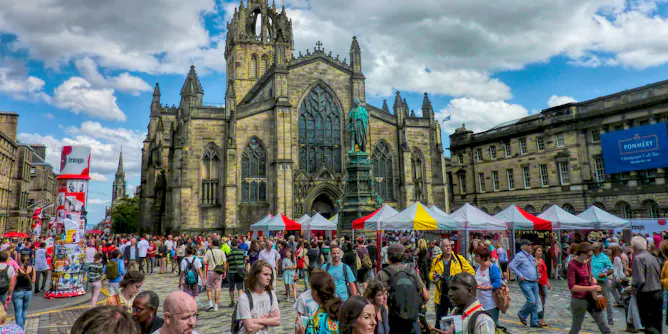
A comparison of 36 Australian cities finds that, unlike Europe, the data on their creativity and culture are not closely linked to their capacity to generate economic value and social well-being.
Articles on Cultural policy
Displaying 21 - 40 of 46 articles
Grassroots venues are run on tight margins, and have been under pressure for some time from external factors such as rising costs and gentrification.
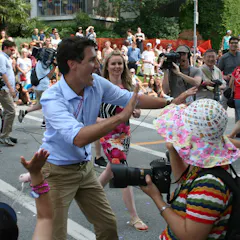
Canada, a country with a similar demographic and economic profile to ours, has a very different approach when it comes to arts funding. Under Prime Minister Justin Trudeau, there is a renewed sense of vitality in the arts.
In the beginning was the Word. And the Word was “innovation” – at least, it was this time round. In 2015, the Word was “excellence”. And in the antediluvian era of the 1980s and 1990s, the Word was, variously…
The decision looks like a reinforcement of the large imbalance in cultural spending between London and the north of England.
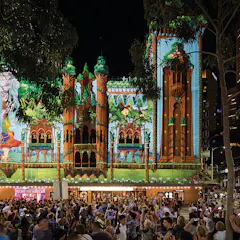
What if Malcolm Turbull’s conception of “21st-century government” imagines a healthy civil society and a responsive economy that values debate, imagination, difference and surprise - all provided by the arts.
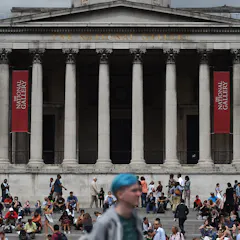
The debate about museums as businesses is in danger of trumping defences of museums and galleries as public institutions.
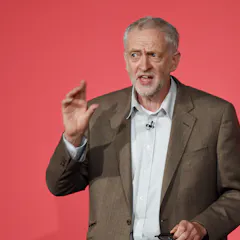
Political discussion about the arts and creative industries is famously woolly ybland, generic and interchangeable. But Corbyn cuts through this.

The more the 2015 arts budget is examined the less sense it makes. The changes contribute little strategically or politically – they just make an entire sector nervous. And culturally, they will improve nothing.

The 2015 budget poses significant challenges to the arts sector. So why won’t cultural leaders stand up and advocate for the sector?
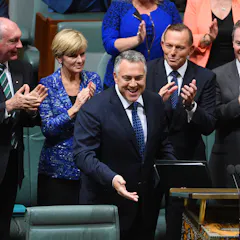
There were no truly nasty surprises in last night’s Budget for the arts – but clear discomfort was expressed with the “arms-length” approach that hitherto has guided the allocation of arts funding.
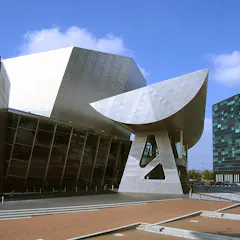
Conservative culture minister Ed Vaizey says ‘roughly’ the same amount of money is going into the arts as it did under Labour. Is he right?
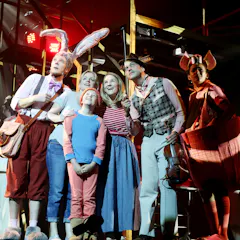
The results of the latest cultural participation survey conducted by the Australian Bureau of Statistics show how valuable the data really is.
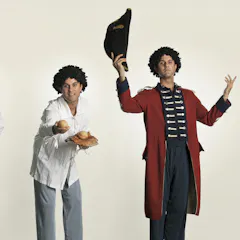
Australia today is very different to the place I grew up in: our culture has changed and is changing, but public discussion is still framed by old tropes. We need a new shorthand to capture the reality…

Malcolm Turnbull’s well-telegraphed announcement yesterday that the ABC’s funding will be cut by A$254 million over five years is no surprise. But, broken election promise aside, this is actually something…
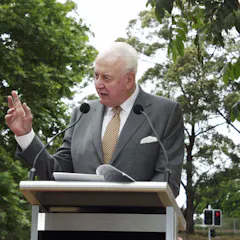
Gough Whitlam’s legacy in the arts first hit me as a little indie-music nerd in the 1990s. The inner-city Sydney band The Whitlams made a funny little music video about their namesake, a bloke who was…
Culture, as described by one celebrated critic, is among the most awkward words in the English language. So it comes as no surprise that cultural value is an ever-elusive, indefinable thing. The broad…
At the end of July draft Sustainable Development Goals (SDGs) were released by the United Nations-appointed Open Working Group. Those of us hoping to see culture identified as part of those goals were…
As with other emissions of choice opacity – horoscopes, Bible stories, RBA economic forecasts – cultural policy announcements invite construal of their mystical meaning. Nothing is quite as it seems. On…
The Australian Bureau of Statistics (ABS) last week released its 2014-2018 forward work plan. The work plan confirms the June media release that arts and sport data will disappear from the ABS-funded component…
Top contributors
-

Professor of Creative Arts, Griffith University
-
Professor of Economics, RMIT University
-
Senior Lecturer in Cultural Policy, Goldsmiths, University of London
-
Professor, Head of Department of Management, UTS Business School, University of Technology Sydney
-
Professor of Cultural Economy, Adelaide University
-
Emeritus Professor of Cultural Research, Institute for Culture and Society, Western Sydney University
-
Professor of Cultural Engagement; Director of the Centre for Cultural Value, University of Leeds
-
Professor of Cultural Policy, University of Glasgow
-
Lecturer in Arts Management and Human Resources, The University of Melbourne
-
Researcher, University of Sydney
-
Associate Professor, Cultural Policy and Creative Industries, Adelaide University
-
Artist, Curator, Producer, RMIT University
-
Affiliate Researcher in the Scottish Centre for Crime and Justice Research, University of Glasgow
-
Economist, UNSW
-
Professor of Social Inclusion - UTS Business School - Co-Lead UTS Disability Research Network - Australian Centre for Olympic and Sport Studies - Centre for Sport, Business and Society, University of Technology Sydney