
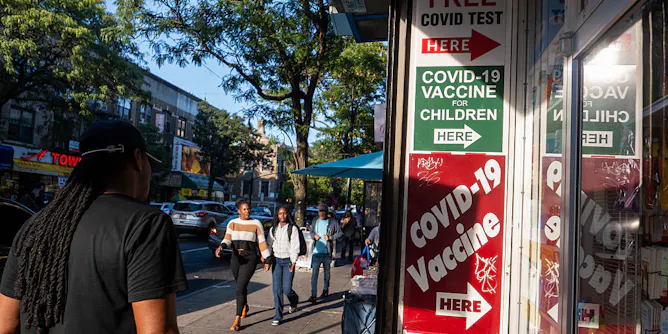
Anti-vaccine activists are using the side effect reporting system to spread fear and misinformation about the COVID-19 vaccines. But the database could also be used as a gauge for public concerns.
Articles on COVID misinformation
Displaying 1 - 20 of 39 articles
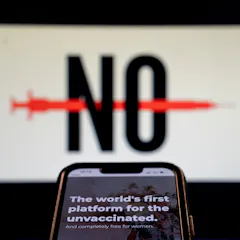
Memes have featured in anti-vaccine messaging for centuries and their power to spread harmful health disinformation is growing.
Studies show that health misinformation on social media has led to fewer people getting vaccinated and more lives lost to COVID-19 and other life-threatening diseases.

How can fake news be managed without government overreach? Under the draft bill, platforms continue to be responsible for the content on their services – not governments.
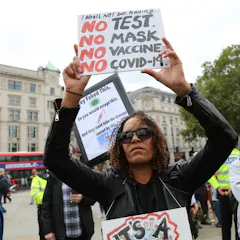
You’d be surprised how far back the roots of anti-vaccine arguments stretch.

The amount of content available online makes policing misinformation extremely difficult. But there are steps we can all take to better ensure the credibility of what we see online.
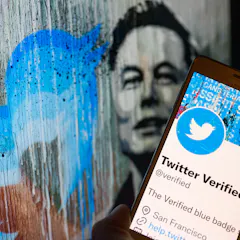
The intersection of content management, misinformation, aggregated data about human behavior and crowdsourcing shows how fragile Twitter is and what would be lost with the platform’s demise.
A wealth of research on social media shows that COVID-19 misinformation is damaging to public health.
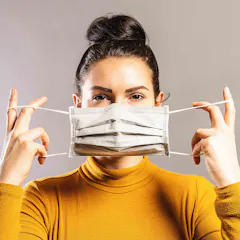
For one, washing your hands is unlikely to prevent COVID spread.

The post hoc fallacy is one of the most common errors in thinking we are susceptible to when trying to make sense of events.

The study is the largest of its kind. Researchers hope it could be a breakthrough in the fight against misinformation.
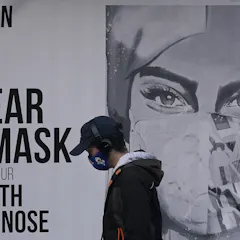
The spread of misinformation in many pandemics, including the smallpox and 1918 influenza outbreaks, have undermined efforts to contain infections and prevent deaths.
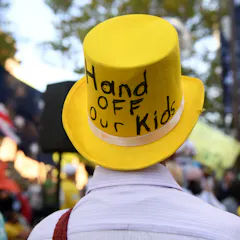
Anti-vaccine group moderators said Facebook provided an environment where they could safely offer support to others.

With COVID-19 shots finally available for infants and preschoolers, knowing how to combat misinformation on social media and elsewhere could be more important than ever.

Contrary to the popular belief that social media creates rumours about COVID vaccine harms, new research suggests social media generally only aids the spread of these rumours.
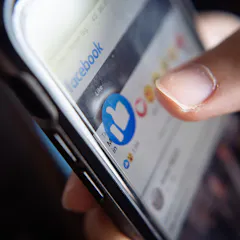
We’re already seeing signs of disinformation on social media ahead of the federal election.

Some of the most persistent myths about COVID-19 vaccination have been false rumours that it can affect fertility in men or women. There has never been any evidence to support this misinformation.
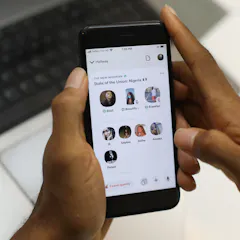
The study indicates that social media platforms are central to how young adults make sense of COVID-19 news and messages.

The Canadian Constitution compels a proportionate weighing of all Charter rights against the threat of COVID-19, meaning that individual freedom is not absolute.

Tech giants such as Spotify like to claim they are platforms, not publishers, and aren’t editorially responsible for the content they host. But with COVID threatening lives, they have to do better.
Top contributors
-

Professor of Information Systems, Michigan State University
-
Assistant Professor of Communication and Political Science, The Ohio State University
-
Chair of Cognitive Psychology, University of Bristol
-
Lecturer in Psychology, University of Cambridge
-
Assistant Professor of Behavioral and Community Health Sciences, University of Pittsburgh
-
Associate Professor of Health Law, Policy and Management, Boston University
-
Assistant Professor of Pediatrics, University of Pittsburgh
-
Assistant Professor of Public Health, University of Pittsburgh
-
Postdoctoral fellow, McGill University
-
Professor of Social Psychology in Society, University of Cambridge
-
Senior Lecturer in Media and Communications, Swinburne University of Technology
-
Professor of Political Science, Australian Catholic University
-
Lecturer in Psychology, Swansea University
-
Professor of Public Communication, Centre for Freedom of the Media, University of Sheffield
-
Senior Lecturer, UNSW