

Rapid tests can be an incredibly useful tool for early detection of COVID-19. Unfortunately, they sometimes leave people with more questions than answers.
Articles on COVID-19 transmission
Displaying 1 - 20 of 33 articles
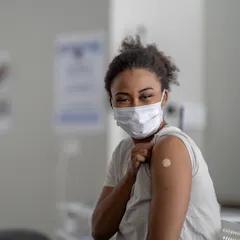
Early on, public health messaging focused on the need for vaccines to combat COVID-19. But far less attention has been given to the role of boosters in preventing deaths and reducing inequities.

The arrival of the highly infectious Omicron variant has changed the COVID landscape in Australia. We asked 5 experts whether it’s time to rethink vaccine mandates for dining, fitness and events.
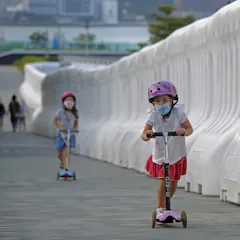
Evidence suggests kids under 12 aren’t major drivers of COVID spread. Avoiding them isn’t necessary.

After a nose swab tests positive for a virus or bacteria, scientists can use the sample’s genetic sequence to figure out where and when the pathogen emerged and how fast it’s changing.

A vaccinated person is less likely to get COVID, is less contagious, and is contagious for a shorter time.
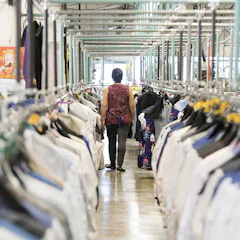
Routine collection of work information from people testing positive for COVID-19 from the start of the pandemic would have enabled better understanding of the role of workplaces in transmission.
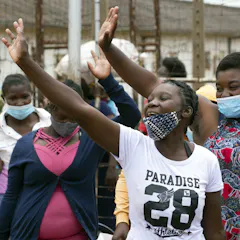
During the first wave of the COVID-19 pandemic, governments around the world released many prisoners, but this has now slowed or stopped. Here’s why those releases should continue.
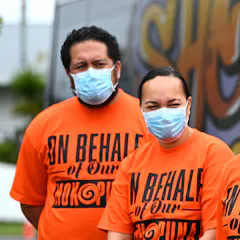
A model of a “virtual” Aotearoa shows even a few new connections will lead to a complex web of transmission which could fuel the spread of the Delta outbreak.

The risk of COVID-19 exposure from high-touch surfaces within grocery stores is low if physical distancing guidelines and recommended cleaning protocols are followed.

We need to understand the student activities and movements that are spreading the Delta variant of the virus in the latest Brisbane outbreak.
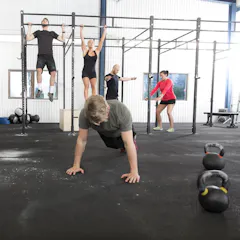
Picture yourself at the gym. It might be confined, people are huffing and puffing, everyone is moving around. And that’s before you hit the showers and change room.
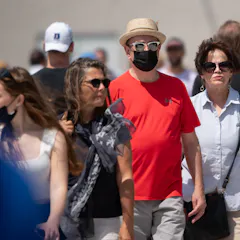
The COVID-19 vaccines are a smash success. But that doesn’t mean they keep every vaccinated person completely free of the coronavirus.
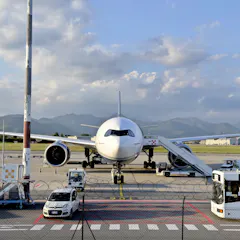
You only have to prevent one case, which could have otherwise led to community spread and lockdown, for such a scheme to pay for itself many times over.
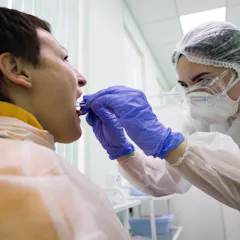
By merging genomics with classical epidemiology, researchers are able to predict new disease outbreaks based on which viral variants are on the rise.
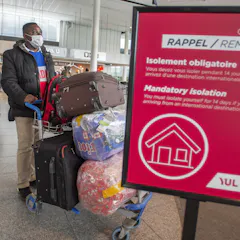
Our buildings and cities were not designed to handle a pandemic. But countries around the world are coming up with design ideas, some high-tech and some more basic, to reduce the infection risks.
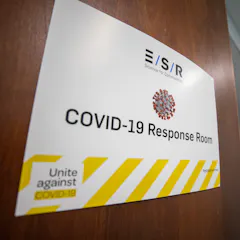
Without improvements to New Zealand’s ‘makeshift’ border quarantine system the risk of further community cases of COVID-19 variants remains high.
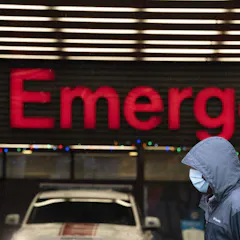
Saving the economy requires minimizing, if not eliminating, community COVID-19 transmission.

Super-spreader events typically have the ‘three Vs" in common: indoor venues, poor ventilation and vocalisation. But many buildings frequented by the public lack ventilation or the means to monitor it.

We still don’t know how long the coronavirus lasts on surfaces in real-world conditions, such as on objects in the home, at work or in the supermarket.
Top contributors
-

Professor in Applied Mathematics, University of Canterbury
-
Research assistant, University of Auckland, Waipapa Taumata Rau
-
Chair in Epidemiology, Deakin University
-
Adjunct professor, Te Herenga Waka — Victoria University of Wellington
-
Research scientist in mathematical modelling, Manaaki Whenua - Landcare Research
-
Professor of Biostatistics and Epidemiology, Adelaide University
-
Associate professor, University of Canterbury
-
Emeritus Professor, Faculty of Science, University of Technology Sydney
-
Adjunct Professor of Architecture, University of Technology Sydney
-
Research scientist, Manaaki Whenua - Landcare Research
-
Professor, Department of Integrative Biology, University of Guelph
-
Research epidemiologist, Instructor, Harvard University
-
Postdoctoral Fellow, University of Auckland, Waipapa Taumata Rau
-
Research Fellow in Global Health, Boston University
-
Distinguished Professor, Professor of Immunology, RMIT University