
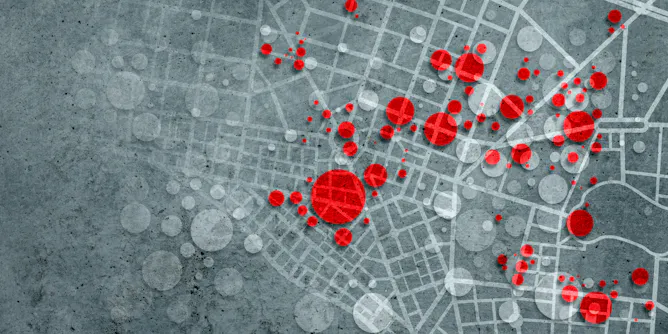
Rather than winging it when an unusual health event crops up, health officials take a systematic approach. The goal is to quickly figure out what’s going on and squash any outbreak before it spreads.
Articles on COVID-19 contact tracing
Displaying all articles

Even though SARS-CoV-2 is still around, the Australian government has stopped use of the COVIDSafe app. Was it an abject failure, and what lessons can we learn from this exercise?

Earlier detection and treatment of COVID-19 by health care providers in pharmacies could help prevent surges in infection rates and severe illness.
With COVID isolation scrapped in England, it’s unclear what’s next for the NHS’s much-discussed app.
Instead of making the lives of contact tracers easier, analysis shows the expensive technology missed contacts and added to their workload.
While neoliberalism has allowed U.S. markets to grow, the resultant stunted public health system left Americans to figure out how to protect themselves from COVID-19 and its fallout on their own.
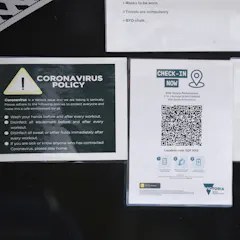
State police have accessed QR code check-in data on at least six occasions, for investigations unrelated to the pandemic.
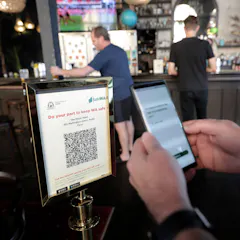
Revelations that WA police accessed data from the state’s QR code contact-tracing app threaten to put a serious dent in the public’s trust. And this trust is a crucial element of our COVID defences.

Even if you’re vaccinated, you still need to come forward for COVID testing, even if you have the mildest symptoms.

The first year of dealing with the pandemic has taught New Zealand many lessons — including how we might tackle systemic social and environmental problems.

Bluetooth wireless communication makes it possible to track when people have been exposed to people infected with the coronavirus. The right cryptography scheme keeps alerts about exposures private.
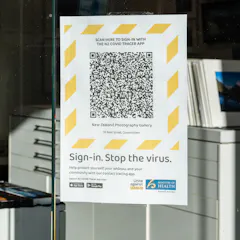
New Zealanders will travel more during the summer period and it is more important than ever to use the contact-tracing app to improve our chances of controlling any potential outbreaks.
Top contributors
-

Research Associate Professor of Public Health, University of Otago
-
Professor of Public Health, University of Otago
-
Professor of Public Health, University of Otago
-
Professor of Information Systems, RMIT University
-
Postdoctoral Researcher, Information School, University of Sheffield
-
Associate Professor, School of Public Health, The University of Queensland
-
Professor of Infectious Diseases and Global Health, University of Sydney
-
Honorary Professor, Macquarie Law School, Macquarie University
-
Associate Professor, Faculty of Law & Justice; Lead, UNSW Public Interest Law & Tech Initiative, UNSW
-
Associate Professor of International and Global Studies, Brandeis University
-
Professor in Information Systems, The University of Queensland
-
Epidemiologist | Research Associate, Australian National University
-
Professor of Internet Studies, Curtin University
-
Senior Research Fellow, The Kirby Institute, UNSW
-
Associate Professor, Public Health Ethics, School of Population Health, UNSW