
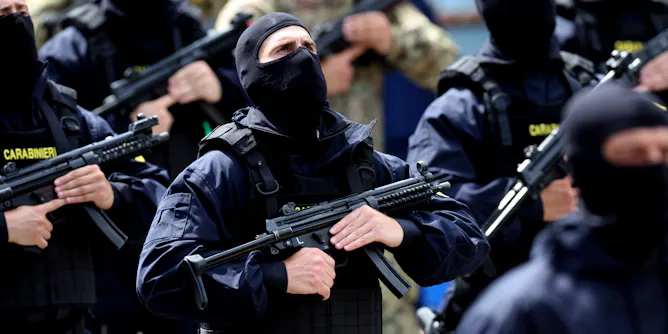
Africa’s ‘coup belt’ has seen rising anti-Western sentiment.
Articles on Coups
Displaying 1 - 20 of 61 articles
Military regimes have shifted from presenting themselves as temporary ‘corrective’ interventions to becoming personalised systems of rule.

However, there is a more profound lesson we can learn from Brazil: Democracy depends on more than institutions.
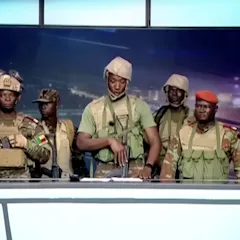
Since 2020, there have been 11 successful coups across Africa, and five thwarted attempts.

Constitutional manipulations have been a major trigger for military interventions in sub-Saharan Africa.
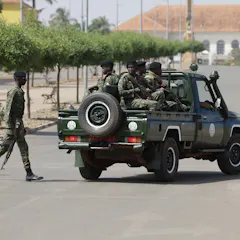
The takeover was the 11th successful coup d'etat in Africa since just 2020, and the latest destabilizing event in a country long plagued by governance challenges.
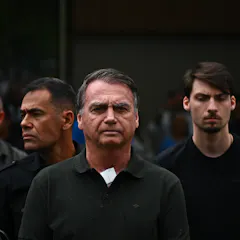
Jair Bolsonaro is now expected to begin a 27-year prison sentence for trying to stage a coup in 2022.
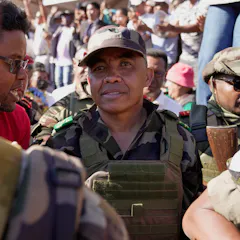
While illegal takeovers of state have declined globally, Africa has now seen at least 10 successful coups since 2020.
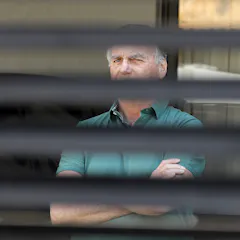
Supreme Court justices voted 4-1 to convict former Brazilian president over a 2023 plot to overturn election.

Failed coup leaders don’t always face punishment – and some who do receive treatment outside of courts.
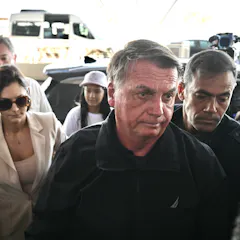
The latest legal developments could galvanize his right-wing base.
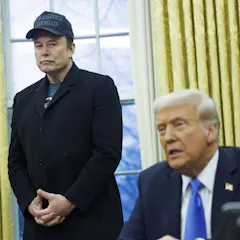
Elon Musk has been accused of attempting a coup or hostile takeover of the US government. His actions could better be described as a form of ‘state capture’. Here’s what that means.
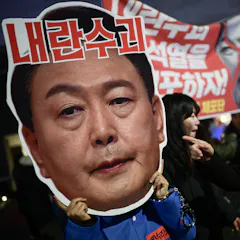
In 1972, a South Korean president instigated a self-coup and succeeded. Understanding why – and why the latest attempt failed – helps explain how far the country’s democracy has progressed and how fragile it could become.
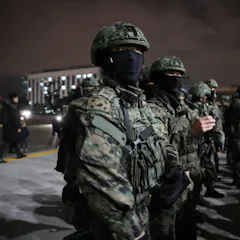
There have been 46 attempted self-coups since the end of World War II – 80% have succeeded. So what went wrong for South Korea’s President Yoon Suk Yeol?
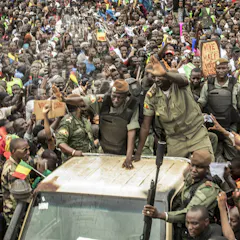
In the popular imagination, coups d'etat are strictly military-led, palace conspiracies. In reality, a majority of them have required civilian participation.
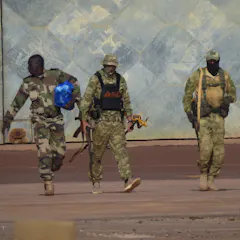
Dozens of Russian fighters were killed in confrontation with rebel groups in Mali amid speculation that Ukrainian intelligence played a role.

As the dust settles on the attempted coup in Bolivia, people are pointing the finger at the country’s president.
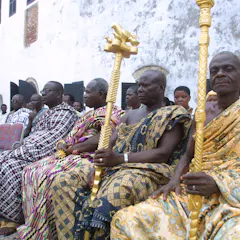
Traditional institutions represent, for many African citizens, the most immediate form of governance.
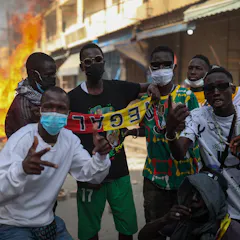
Attempts to postpone Senegal’s election indefinitely reflect deeper governance problems within Macky Sall’s administration, and the shortcomings of his chosen heir, Amadou Ba.

Ecowas has a patchy track record when it comes to ensuring cooperation and security across west Africa – member states are now starting to leave.
Top contributors
-

Assistant Teaching Professor of Strategy and Technology, Carnegie Mellon University
-
Research Affiliate and Senior Analyst, University of Central Florida
-
Professor of Political Science, Penn State
-
Nonresident Research Fellow, Rice University
-
Director & SARChI Research Chair: Political Economy of Migration in the SADC Region, University of Pretoria
-
Visiting Assistant Professor of Political Science, University of Kentucky
-
Extraordinary Lecturer, University of Pretoria
-
Professor Emeritus of Politics, London Metropolitan University
-
Professor of International Law, University of Pretoria
-
Associate Professor in the Department of Political Science and International Relations, Nile University of Nigeria
-
Senior Research Fellow, Institute of Commonwealth Studies, School of Advanced Study, University of London
-
Senior Research Associate, Department of Political Sciences, University of Pretoria
-
Senior Lecturer, Covenant University
-
Lecturer in International Relations, Monash University
-
Professor of Anthropology, Johannes Gutenberg University of Mainz