
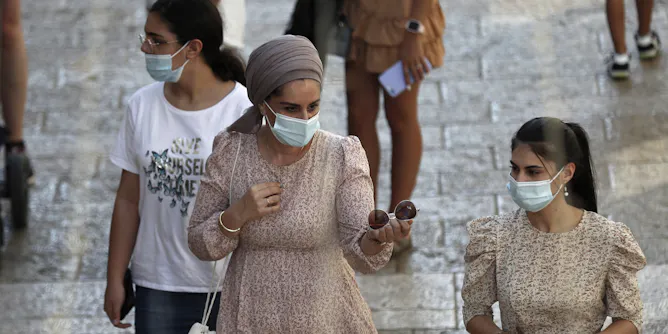
A stall in vaccine coverage and increased mixing have combined to drive new outbreaks.
Articles on Coronavirus insights
Displaying 281 - 300 of 1079 articles
A new study from Israel on naturally acquired immunity has caused a stir – and some misinterpretation.
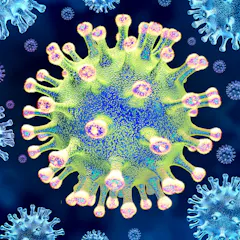
B1621 has a “constellation of mutations” that could help it escape the effects of vaccines – but evidence on its effects is currently limited.
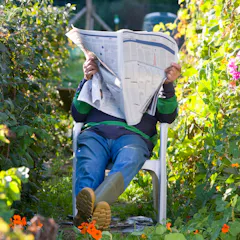
The pandemic has taken a toll on people’s mental and physical health – but spending time in your garden can counteract this.
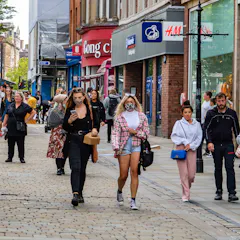
As well as protecting a great number of people, giving vaccines away can raise the UK’s influence abroad and perhaps even change how the country perceives the pandemic.
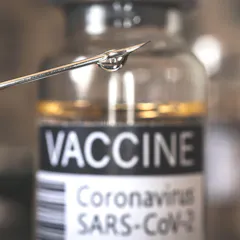
A universal vaccine has been described as the ‘holy grail’ – but how close are we to getting one?
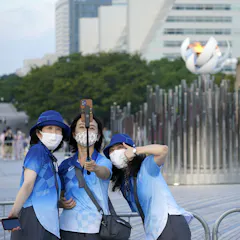
As well as spreading the virus, the event eroded public confidence in the government’s handling of the crisis, undermining future containment efforts.
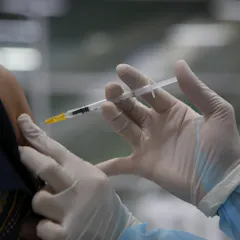
People who had previously caught the coronavirus, which is similar to having an additional vaccine dose, had more neutralising antibodies against COVID variants after being vaccinated.
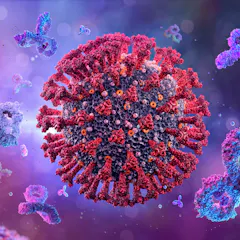
This lab-designed antibody treatment can treat COVID-19 and block infection, though its cost means it may be reserved for the most vulnerable.
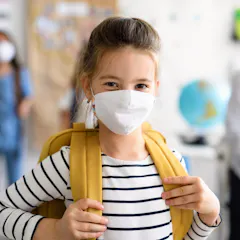
Fewer than 2% of children with COVID-19 still had symptoms after eight weeks.
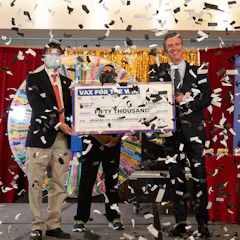
Randomised controlled trials are used for drug trials. They should be used to find out of incentives to get the jab work too.

Social workers worried that moving services online decreased quality and access.
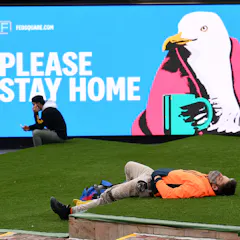
As New Zealand enters another lockdown after detecting a single COVID case, it’s time to consider whether stringent zero COVID strategies are feasible in the long term.
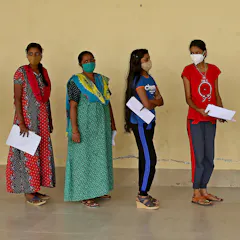
Lessons have been learned from the second wave, but vaccine supply and hesitancy are still big problems.
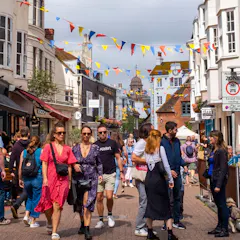
Vaccine coverage is among the world’s best and cases have come down from their peak – but the pandemic isn’t over yet.
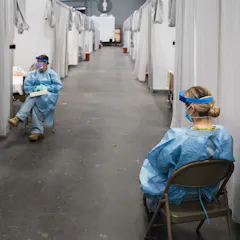
The news is full of stories of people who refused the jab who died of COVID.
Getting first doses to countries short of supplies should be the priority, argues the World Health Organization.

Being immunocompromised appears to affect the vaccine response, but this seems to vary depending on the causes of the person’s low immunity.
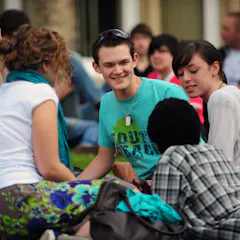
Reducing transmission of the virus among younger people can help Britain reopen more quickly and reduce the risk of the virus infecting those most at risk.
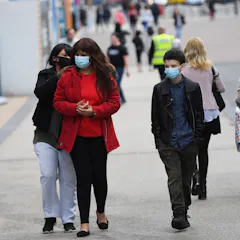
In east Asian countries, past disease outbreaks have made face masks part of everyday life – but the social context supporting such behaviour isn’t present in the UK.
Top contributors
-

Senior Research Fellow in Global Health, University of Southampton
-
Professor of Research Ethics, University of Portsmouth
-
Professor of Medicine, University of East Anglia
-
Professor of Public Health, University of Sheffield
-
Lecturer in Psychology, Swansea University
-
Professor in Immunology, University of Manchester
-
Professor of Mathematics and Statistics, University of Strathclyde
-
Professor of Mathematical Biology and Public Engagement, University of Bath
-
Associate Professor in Viral Immunology, University of Birmingham
-
Scientific Officer in Biomedical Sciences, University of Leeds
-
Principal Lecturer, Microbiology and Biomedical Science Practice, Fellow of the Institute of Biomedical Science, University of Brighton
-
Clinical Research Fellow in Viral Immunology and Veterinary Surgeon, University of Cambridge
-
Consultant Neonatologist and Professor of Ethics, University of Oxford
-
Assistant Professor of Health Promotion and Policy, UMass Amherst
-
Professor of Primary Care Health Sciences, University of Oxford