

Masks are back in wider use in the UK and elsewhere. Our research highlights the need to dispose of them correctly.
Articles on Coronavirus insights
Displaying 221 - 240 of 1079 articles
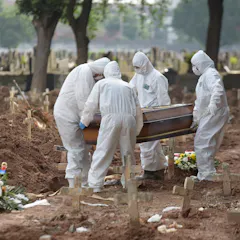
How governments chose to respond to the coronavirus – and how well equipped their health services were before it arrived – made a big difference.
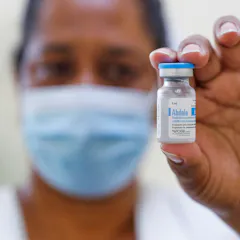
The country appears to have created two highly protective jabs – though rigorous data on their testing still needs to be seen.

Inconsistent rules, those in charge setting a poor example, and feeling rebellious are all factors that may prevent people from wearing a mask.
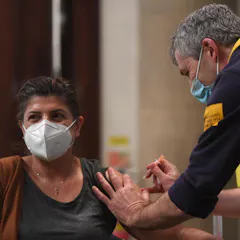
Half a million British people need to be given a COVID vaccine each day between now and the end of January 2022.

Surveying by the Office for National Statistics shows Brits are increasingly pessimistic about things returning to how they were before.

Experiments show portable air filters can clear the coronavirus from makeshift wards – and offer more evidence that the virus spreads through airborne transmission.
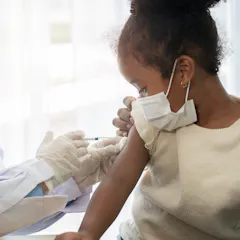
Looking solely at health benefits, the case for vaccinating primary schoolers isn’t strong.

US researchers have designed a special chewing gum to target SARS-CoV-2. But at this stage, it’s only been tested in a lab – not on real people.

How the pandemic is reported by the media can influence people’s behaviour.

We analysed mobility data provided by almost one million people in England between January 2020 and May 2021, seeking to understand trends in residential visits during the pandemic.

Countries across Europe are reintroducing lockdowns, but the UK can keep Christmas and New Year on track by following these sensible steps.
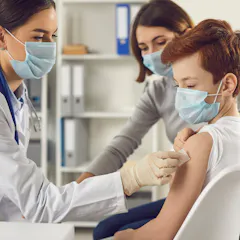
Conspiracy theories can make parents hesitant to vaccinate their children.
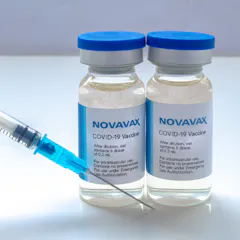
Beset by delays, this vaccine is becoming available when low-income countries are desperately short of doses.

Luciferase is a useful tool in medicine and has nothing to do with Satan.

The country moved quickly to contain the virus, but its health system struggled to look after those who got sick.

Austria has imposed a lockdown for the unvaccinated. Russia is considering the same measure.
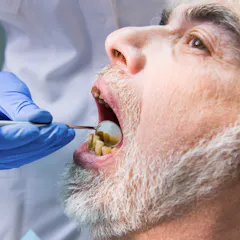
Badly controlled bacteria in the mouth pose multiple risks.
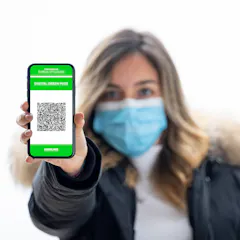
Differential treatment is not, necessarily, discrimination.

Both drugs significantly reduce the chance of people vulnerable to COVID being hospitalised – but they stop the virus in different ways.
Top contributors
-

Senior Research Fellow in Global Health, University of Southampton
-
Professor of Research Ethics, University of Portsmouth
-
Professor of Medicine, University of East Anglia
-
Professor of Public Health, University of Sheffield
-
Lecturer in Psychology, Swansea University
-
Professor in Immunology, University of Manchester
-
Professor of Mathematics and Statistics, University of Strathclyde
-
Professor of Mathematical Biology and Public Engagement, University of Bath
-
Associate Professor in Viral Immunology, University of Birmingham
-
Scientific Officer in Biomedical Sciences, University of Leeds
-
Principal Lecturer, Microbiology and Biomedical Science Practice, Fellow of the Institute of Biomedical Science, University of Brighton
-
Clinical Research Fellow in Viral Immunology and Veterinary Surgeon, University of Cambridge
-
Consultant Neonatologist and Professor of Ethics, University of Oxford
-
Assistant Professor of Health Promotion and Policy, UMass Amherst
-
Professor of Primary Care Health Sciences, University of Oxford