
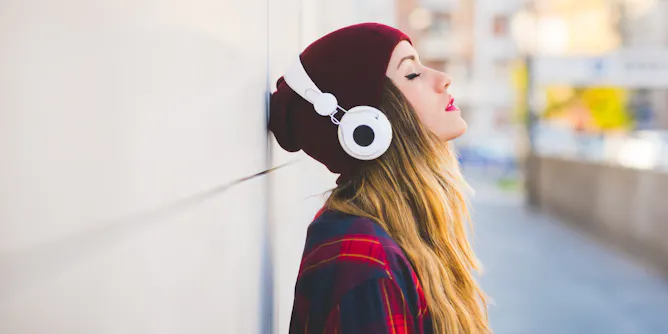
With the click of a button, you can now generate songs in any topic and genre you want. But it’s not clear-cut whether you own the music, despite what the app terms say.
Articles on Copyright
Displaying 41 - 60 of 236 articles
‘Uncanny’ AI music generators blur the line between creators and consumers. Will they turn music from high art to an everyday language? Listen to these AI-generated tracks and judge for yourself.
With the right prompts, AI users can mimic copyrighted works. There’s no easy technical or legal fix.
It may seem extreme, but there’s a reason the law allows it.
The lawsuit could see other media companies move to protect their copyrighted content.
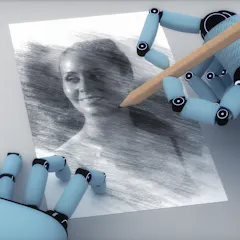
There are many ideas about how to regulate AI, but not all of them are technologically feasible, and some of those that are won’t fly economically.
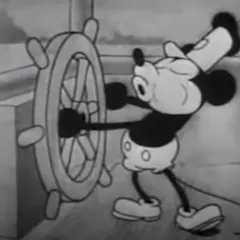
The earliest versions of Mickey and Minnie Mouse entered the public domain in the United States at the start of this year, 95 years since they were introduced to the public.

In the Fall Economic Statement, the Canadian government signalled its commitment to the right to repair.
Establishing the facts – and disentangling fact from legend – is not always straightforward when it comes to biography. Frank Moorhouse’s biographer unpacks his process.

Manufacturers have too much legal freedom to sell products that don’t last or are hard to repair. It’s time local law caught up with global efforts to address this environmental and consumer issue.
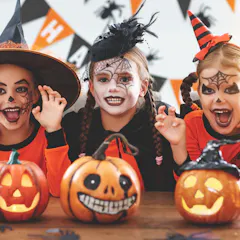
Traditionally seen as an American holiday, more Australians are preparing to celebrate Halloween. Here’s what we know about costumes, cosplay and copyright, just in time for the spooky season.

Authors are furious about finding their works on pirated dataset Books3. Copyright is the usual avenue for redress, but while AI moves at speed, the law is slow – and not designed to combat AI issues.
The legal ruling against the Internet Archive has come down in favour of the rights of authors.
AI can streamline the painstaking work of mixing and editing tracks. But it’s also easy to see how AI-generated music will make more money for giant streaming services at the expense of artists.

The temptation to cash in on a global phenomenon might be strong. But Mattel has a history of fiercely protecting the Barbie brand with legal action.
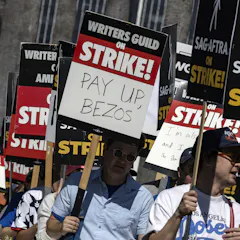
Given the hypocritical and exploitative treatment of artists by entertainment industries, do we really have moral obligations to pay for streaming services?
When universities do use fair dealing to supplement purchased, licensed and freely available resources, they work within guidelines developed across the education sector.
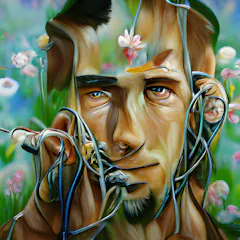
Intellectual property law wasn’t written with AI in mind, so it isn’t clear who owns the images that emerge from prompts – or if the artists whose work was scraped to train AI models should be paid.
Do you own a literary work that ChatGPT helped you write? Does OpenAI? The legal questions are thorny, and the answers unclear.

We may know what ChatGPT can do, but questions remain over who owns the copyright.
Top contributors
-

Professor of Intellectual Property Law, City St George's, University of London
-
Professor, Queensland University of Technology
-
Senior Lecturer in Law, University of New England
-
Associate Professor, School of Law, Queensland University of Technology
-
Law Honours Candidate, University of Canberra
-
Executive Dean of the Faculty of Law, Queensland University of Technology
-
Regents Professor of Law and Communication and Director of the Center for Law and Intellectual Property, Texas A&M University
-
Reader in Intellectual Property Law, Brunel University of London
-
Professor in Intellectual Property and Innovation Law, Queensland University of Technology
-
Associate Professor of Screen Media, Victoria University
-
Associate Professor, School of Law, University of Canberra
-
Professor of Law, University of Melbourne; Chair of Private Law, Te Herenga Waka — Victoria University of Wellington
-
Research Fellow, Intellectual Property and Innovation Law Research Program, Queensland University of Technology
-
Senior Lecturer, Department of Media and Communications, University of Sydney
-
Senior Lecturer in Law, University of Technology Sydney