
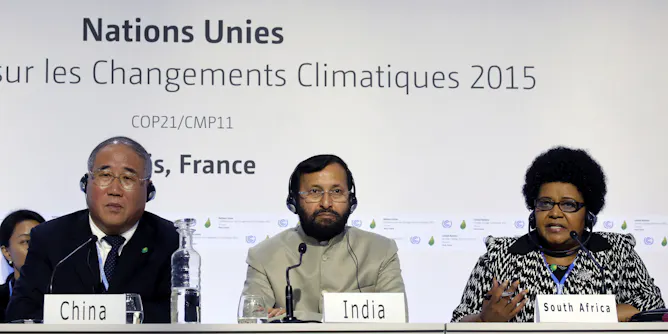
The Paris Agreement marks an important step towards climate change mitigation – one in which developed and developing countries alike take action.
Articles on COP21
Displaying 21 - 40 of 65 articles

The concerns about genetically modified foods are well known. But when we look at population and climate projections, what happens if we don’t use them to increase our food supply?
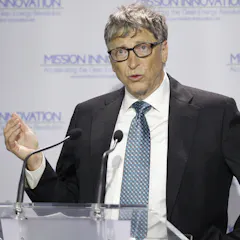
In the age of austerity, governments have limited resources to invest in new areas of research – like clean energy – that have multiple risks. Billionaires like Bill Gates can help plug the gap.

From New Year’s Eve, to Guy Fawkes night, to Diwali, fireworks are an exciting way to celebrate. But these dazzling displays come at a serious cost to the environment.
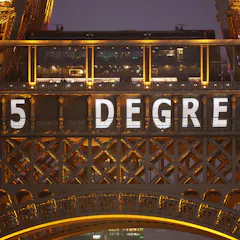
How will the world actually deliver on the Paris climate ambition to hold global warming to no more than 1.5°C? It’s a tough scientific and technical challenge.
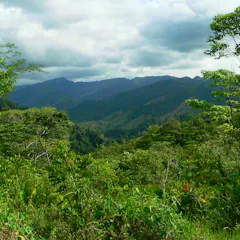
Forest conservation has been a contentious issue in international climate change discussions for years, but now developing countries are embracing the need to protect their forests.
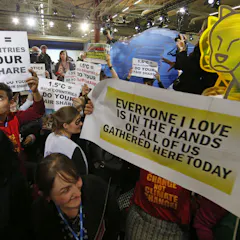
The inclusion of a 1.5°C goal in the Paris climate deal might have surprised some observers. But in reality, the diplomatic groundwork was laid years before.
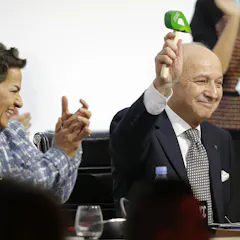
The Paris deal has laid the foundations for real global progress on climate change. On that score, it must be judged a huge success.
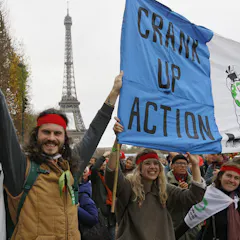
The Paris Agreement recognizes the reality of global environmental pacts: the private sector must lead transition to low-carbon technology and civil society must keep up the pressure to act.
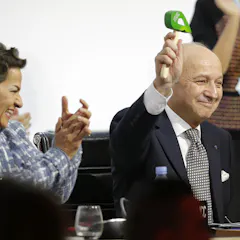
What’s next, now that the Paris climate summit is over? We’ve created a special report for you, featuring two dozen of our best articles on the scientific, political and economic challenges ahead.
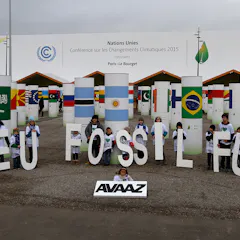
Research universities and nongovernmental organizations have an important role to play in helping countries reach their goals.

If shipping and aviation don’t rein in their emissions it could seriously jeopardise our goal of preventing more than 2°C of warming.
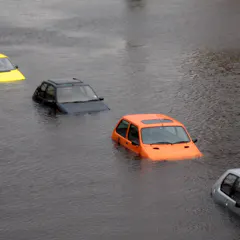
Artwork – from knitting birds and amateur science to listening to the trees – might empower us to remake climate science from below.
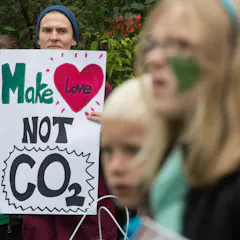
The Paris climate deal has been criticised for not being strong enough. But behavioural economics studies show weak deals can work out better in the long run.
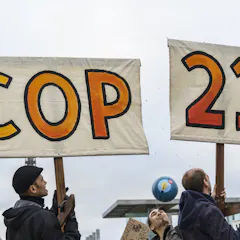
Despite there being no reference to the words “market mechanism” or “carbon market” in the agreement, the agreement clearly establishes a new international carbon market mechanism.
The United Nations Framework Convention on Climate Change finally came to an agreement. Here are the key points.
At the Paris climate talks, the world has signed up to the first truly global treaty to tackle global warming. Our experts react.
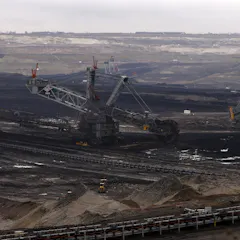
The Paris climate agreement doesn’t specifically address cutting down on coal, but the tide is turning against coal mining anyway.

The climate will change, no matter what’s agreed in Paris.

While the Paris climate talks focus on technical fixes, no one talks about how we’re much more afraid of roughing it than ever before.
Top contributors
-

Senior Research Fellow and Associate Professor, Melbourne Climate Futures initiative, The University of Melbourne
-
Research Fellow, Melbourne Sustainable Society Institute, The University of Melbourne
-
Professor of Global Environmental Politics, College of the Atlantic
-
Professor of Public Ethics, Charles Sturt University
-
Senior Research Fellow, School of Geography, Earth and Atmospheric Sciences, The University of Melbourne
-
Professor of Ecology, Evolution, and Behavior; Director, Institute on the Environment, University of Minnesota
-
A.J. Meyer Professor of Energy and Economic Development, Harvard Kennedy School
-
Professor of International Relations, The University of Queensland
-
Professor, Rubin Chair in Sustainability in Business, Lancaster University
-
Professor Emerita of Geography, University of California, Santa Barbara
-
Redmond Barry Professor of Political Science, School of Social and Political Sciences, The University of Melbourne
-
Professor of Climate Change Mitigation and Inequality, University of Cape Town
-
Chancellor's Fellow in Sustainable Design, University of Strathclyde
-
Économiste à l’Observatoire français des conjonctures économiques (OFCE), Sciences Po
-
Professor and Director, Climate Science Center, Texas Tech University