

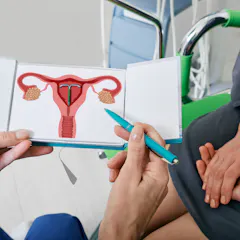
IUDs are small devices implanted in the uterus to prevent pregnancy. Finding a doctor to insert an IUD can be difficult and costly – but this could soon change.
Articles on Contraception
Displaying 21 - 40 of 130 articles
The contraceptive pill is responsible for preventing more cancers than it contributes to. Long-acting contraceptives seem to be as safe when it comes to cancer risk.

Pregnant Kenyan teens aren’t getting support before or after pregnancy – setting them up for a life of hardship.

The Essure device was implanted into women’s fallopian tubes to prevent pregnancy. It left some women with chronic pelvic pain that took a hysterectomy to resolve.

Restrictions on US aid is likely to drive up illegal abortions and maternal deaths.

A new study has found a link between hormonal intrauterine devices (IUDs) and breast cancer. But media reports of a large increase in risk may cause unnecessary worry.

We hear a lot about the downsides of midlife hormonal changes. But what about the gifts that menopause can bring?
A neuroscientist explains how hormonal contraceptives work − and how stress may increase or decrease depression risk while on them.

Pregnancy and an acne medication called oral retinoids don’t mix. Australia needs a clear strategy to manage this risk.

Girls growing up in very different circumstances navigated the possibilities and pitfalls of the 1960s and early 1970s in very different ways.

TikTok and Instagram misinformation is reportedly causing some women to stop taking their birth control.

A drug newly approved by the Therapeutic Goods Administration for endometriosis is available in Australia.

New federal pharmacare legislation is an important opportunity to give all Canadian women access to effective contraception and realize the right to reproductive health.

Environmental policymakers and scholars must listen to sub-Saharan Africans’ voices and recognize the importance of population for achieving sustainable development goals.
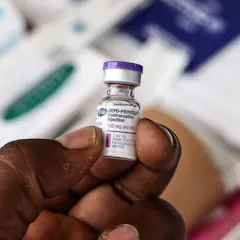
Depo-Provera is not usually used for more than two years. Here’s why.

Whatever your reason for using it, emergency contraceptives can help prevent unplanned pregnancies.

Contraception today may not be perfect but it’s better than methods of the past.

Fewer than one in 100 people who use IUDs and contraceptive implants become pregnant each year, making them the most effective contraceptives. But they can be difficult to access. Here’s why.

British Columbia’s move to provide free contraceptives is a positive step that fully embraces sexual and reproductive health and rights for everyone in post-Roe North America.

Childbearing goals have remained remarkably consistent over the decades. What has changed is when people start their families and how many kids they end up having.
Top contributors
-

Professor of Practice, Sydney Medical School, Faculty of Medicine and Health, University of Sydney
-
Venable Professor of Law, University of Baltimore
-
Associate Professor in Contraception, Reproductive and Sexual Health, Anglia Ruskin University
-
Angela Taft is a Friend of The Conversation.
Emeritus Professor, Judith Lumley Centre (JLC) of Mother, Infant and Family Health, La Trobe University
-
Professor of Pharmaceutical Chemistry, Macquarie University
-
Associate Professor of Women and Gender Studies & Jewish Studies, University of Colorado Boulder
-
Assistant Professor of Obstetrics and Gynecology, University of Michigan
-
Research Scientist, African Population and Health Research Center
-
Adjunct Professor, La Trobe University
-
Associate Professor, Public Health Ethics, School of Population Health, UNSW
-
Gilles Pison is a Friend of The Conversation.
Anthropologue et démographe, professeur émérite, Muséum national d’histoire naturelle (MNHN); Ined (Institut national d'études démographiques)
-
Professor at Prince Henry's Institute, Hudson Institute
-
Director, SPHERE NHMRC Centre of Research Excellence in Women's Sexual and Reproductive Health in Primary Care and Professor and Head of the Department of General Practice, Monash University
-
Lecturer, Division of Health Research, Lancaster University
-
Sciences Po