
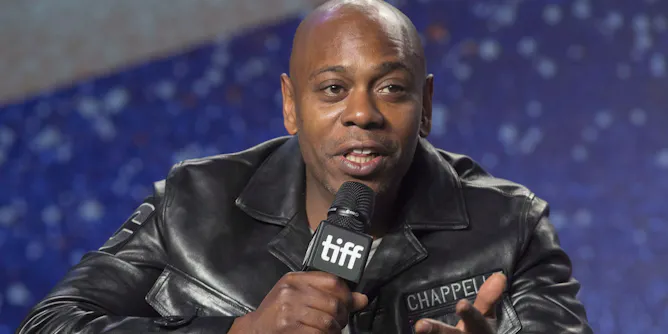
In this episode of Don’t Call Me Resilient, host Vinita Srivastava and scholar Cheryl Thompson dive into the meaning of the n-word and the 150 years of racism embedded in it.
Articles on Comedy
Displaying 101 - 120 of 223 articles

A professor of comedy examines holiday cards in times of struggles. They aren’t all sad.
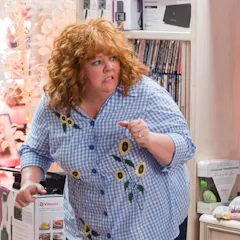
This 2013 film has a lazy script and crude humour – but Melissa McCarthy’s high camp performance of outrageously dressed, highly coiffed femininity is a delight.

What has happened to political TV satire? It used to be sharp but this election it missed it mark.
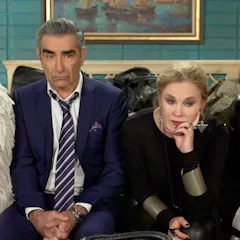
When it comes to TV comedy Schitt’s Creek is a comfortable pair of slippers: safe and familiar.

Opening traditional theatres and smaller venues may not be physically or financially viable. But with winter coming and the arts industry floundering, something needs to be done.
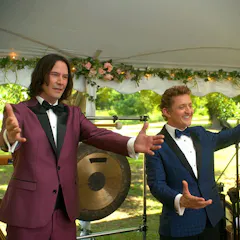
For a film that was destined to do so much wrong, this does a surprising amount right. And in an era of relentlessly ‘clever’ films and knowing reboots, Face the Music has a refreshingly light touch.
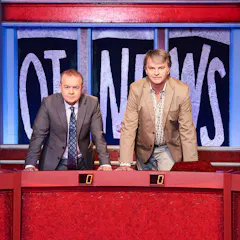
What people find funny about politics depends largely on who is in power.

Donald Trump’s bizarre interview with journalist Jonathan Swan went viral this week. While some regard the US president as beyond parody, satire may be starting to bite as he slides in the polls.
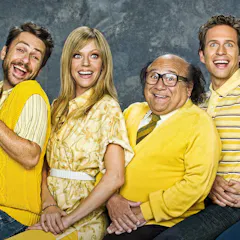
If it’s escapism you’re looking for, watch Schitt’s Creek or The Good Place. But if you want a dirty dive that makes the real world look good by comparison, try It’s Always Sunny in Philadelphia.

Charlie Brooker shouting at the TV is the comic relief needed in the pandemic. The return of The Wipe is as pointed as it is hopeful.
With no in-studio audiences, the Laff Box should be used more by comedy shows.

It isn’t wrong to laugh at coronavirus comedy. Rather a chortle here and there will help us through the crisis, and it may even help spread vital information and give comfort to those in need.

Invisibility has been used to indulge fantasies of good and evil, level social critiques or warn of the dangers of power in the wrong hands.

Algorithmic forces fuel cancel culture. Paradoxically, they’re also used to rehabilitate those who have been canceled.

Charlie Hebdo’s often biting and dark humour frequently troubles people in France, and many reactions to the attack in France were not in keeping with the values of the publication.

Mr Bean made its television debut on January 1 1990. Thirty years on, the pilot episode still captures all that is great about Rowan Atkinson’s character.

There is nothing funny about the prospect of environmental collapse. But comedy can highlight the errors that led us to the crisis, and encourage us to act in the face of hopelessness.

A new study highlights the importance of the ‘intergroup sensitivity effect’ in comedy, which gives people license to tell certain jokes, but not others.

Studies show that humour is useful for engaging the public about climate change
Top contributors
-

Professor of English, Flinders University
-
Professor of Film and Media Studies, Colorado State University
-
Professor of International Affairs and Comparative Literature, Penn State
-
Professor of Film Studies, Bangor University
-
Senior Lecturer, Manchester Metropolitan University
-
Lecturer in Performance, University of Salford
-
Lecturer in Creative Writing, Flinders University
-
Professor of Communication and International Studies, Boston College
-
Lecturer, Faculty of Health, Arts and Design, Swinburne University of Technology
-
Senior Lecturer in Media, Film and Cultural Studies, University of Sussex
-
Associate Professor of Psychology, Fort Lewis College
-
Sessional lecturer and researcher, The University of Melbourne
-
Associate Professor in the Media School, Indiana University
-
Lecturer in Communications and Media, University of Notre Dame Australia
-
PhD Candidate, University of Leeds; Independent Social Research Foundation