
Do we need to change the way we think about consciousness?
Articles on Coma
Displaying all articles

COVID-19 highlighted the need to plan for medical emergencies, but most people still avoid the issue.
New research shows that post-coma patients who appear to be in a minimally conscious state can still mentally react to language. This finding could help improve their diagnosis and treatment.
Plus, how a team of musicologists and computer scientists completed Beethoven’s unfinished 10th Symphony using AI. Listen to The Conversation Weekly podcast.
Drugs which act through the brain chemical dopamine may one day help restore consciousness in people who have lost it.
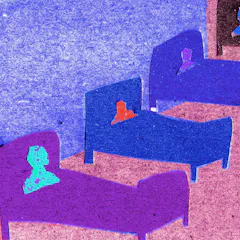
UAE woman Munira Abdulla is fully conscious after 27 years - but reports of her “miraculous” story are misleading.
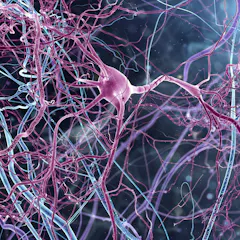
Specific brain networks are at work when we are conscious. New results can help distinguish truly unconscious patients from those who have some degree of consciousness.
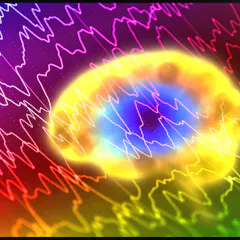
Epilepsy affects around 70 million people globally, 80% live in developing countries. A shortage of specialists, equipment and drugs complicates effective treatment and management.

Consciousness is one of the most puzzling phenomena in science. How does the electric and chemical activity in your brain produce your subjective experiences; the colour red or the taste of chocolate?
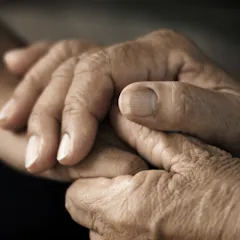
We need to rethink our approach to routinely giving permanently unconscious patients life-prolonging treatment.
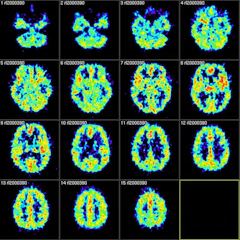
When patients suffer from a brain injury and are unresponsive, we often don’t know whether they have suffered irreversible damage from which they will never recover, or whether the damage is a temporary…
A serious illness or brain injury can put a person into a coma: a sleep-like or a vegetative state where they are awake but unaware. These disorders of consciousness are sometimes not accurately diagnosed…
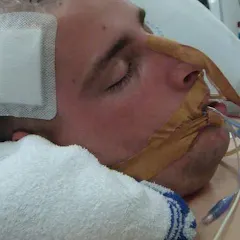
Completely paralysed and seemingly comatose patients may eventually be able to have real-time conversations using scanning machines that can translate their brain signals into messages, a team of neuroscientists…
Top contributors
-

Professor of Communications Research, Co-Director of the Coma and Disorders of Consciousness Research Centre @JennyKitzinger, Cardiff University
-
Lead, Cognition and Consciousness Imaging Group, Division of Anaesthesia, University of Cambridge
-
Associate Professor of Biomedical Engineering, The University of Melbourne
-
Senior Lecturer, School of Psychology and Centre for Human Brain Health, University of Birmingham
-
Senior Research Scientist, University of Oxford
-
Professor of Sociology, co-director of the Coma and Disorders of Consciousness Research Centre, University of York
-
Professor of Electrical & Electronic Engineering, The University of Melbourne
-
Postdoctoral Research Fellow, UNSW
-
Postdoctoral research student, KEMRI-Wellcome Trust Research Programme, Kenya Medical Research Institute
-
PhD Candidate in Medical Sciences, Coma Science Group, University of Liège, Belgium, Université de Liège
-
Postdoctoral Research Associate, Cognitive Neuroscience, University of Cambridge
-
Professor of Clinical Neuropsychology, University of Cambridge
-
PhD Candidate of Neuroscience, University of Cambridge
-
Professor of Computer Science and Director of the Art & AI Lab, Rutgers University
-
Co-directrice du Coma Science Group, Chercheuse qualifiée FNRS, Neuropsychologue, Université de Liège