
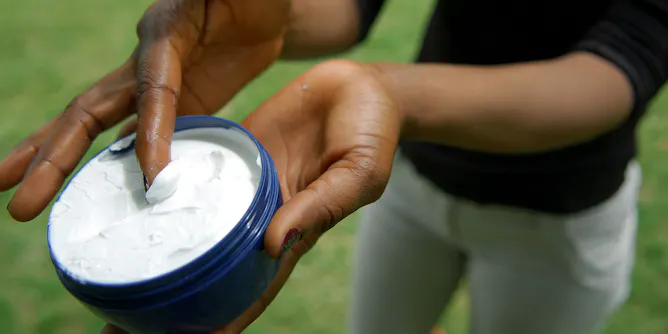
Illegal skin-lightening creams containing mercury and steroids are appearing on British high streets. Here’s what’s in them and why they’re dangerous.
Articles on Colourism
Displaying all articles

ABC comedy series White Fever highlights a type of racism that is nuanced and hard to detect, but is just as harmful to people of colour.

Families in the UK play a significant role in introducing children to colourist views. They can also be instrumental in challenging them.

More nuanced understandings of racism, wealth and ‘whiteness’ are needed when designing anti-racism policy.
Tan France, of Queer Eye fame, delves into the skin-shade prejudice he experienced as a child in England and the colonial history at its roots.

Skin-shade prejudice can have a lasting impact both on people’s self-confidence and on who they in turn find attractive. Understanding how it works is key to resisting it.
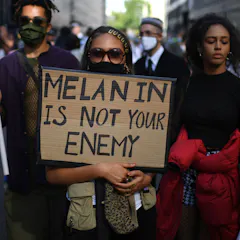
Cosmetics companies have agreed to remove racially offensive language from their skin products - but history, in Kenya and South Africa, shows they’ve done the same before.

The killing of George Floyd has sparked debates in Jamaica about police brutality – and class and colour.

The long history of racist beauty standards alone cannot explain the ongoing global use of harmful skin lighteners.

The racism that underpins colourism must be challenged.

A philosopher’s take on the ethics of products that allow parents to lighten the skin colour of their unborn baby.

At the root of the skin bleaching phenomenon is a psychological complex.

Colourism - or discrimination based on the skin tone - manifests in different ways across the world. In the main it means that light skin is seen as desirable and dark skin as undesirable.
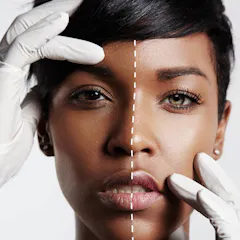
Unregulated over-the-counter skin lighteners can have detrimental effects on the men and women who use them. So why are governments in Africa not taking steps to ban these products?
Top contributors
-

Lecturer in Social Justice, King's College London
-
History Professor, University of Washington
-
Senior Research Fellow at Centre for Appearance Research, King's College London
-
Professor of Cell Biology, Dept of Human Biology, UCT, University of Cape Town
-
Associate Professor of Epidemiology, University of Auckland, Waipapa Taumata Rau
-
Postdoctoral Research Fellow, Trinity College Dublin
-
Lecturer in Curriculum and Pedagogy, University of Southern Queensland
-
Associate Professor of Social and Community Health, University of Auckland, Waipapa Taumata Rau
-
Epidemiologist, Oxford University Clinical Research Unit (OUCRU)
-
Professor in Modern History, University of York
-
Senior researcher, Centre for Social Change, University of Johannesburg
-
Grant Chair of Dermatology, Wellcome Trust Senior Research Fellow, University of Edinburgh
-
Professor of Social Work, Michigan State University
-
Lecturer in Global Ethics, Department of Philosophy, University of Birmingham