
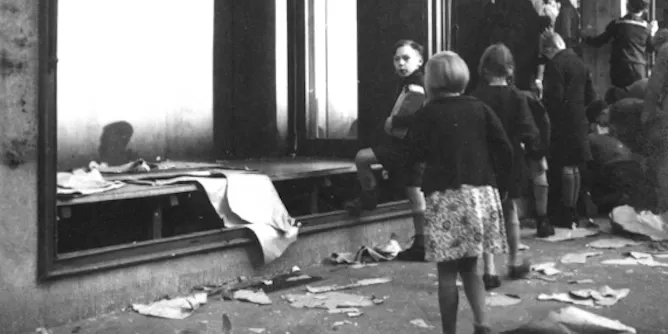
Most histories highlight the shattered storefronts and synagogues set aflame. But it was the systematic ransacking of Jewish homes that extracted the greatest toll.
Articles on Collections
Displaying 21 - 40 of 49 articles
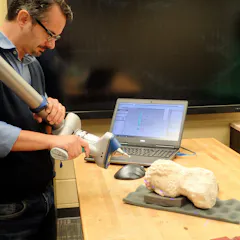
Davide Tanasi, a digital archaeologist, thinks it’s a pity when historical artifacts are locked away in storage. He’s working to fix this by sharing them as 3D models.

Hidden for decades in a vault at the Uganda Broadcasting Corporation, the photographs depict a regime fixated on establishing order, meting out punishment and stoking nationalism.
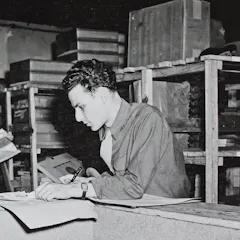
An unprecedented survey of US GIs that began in 1941, preserved on microfilm, provides a raw and uncensored story of average Americans grappling with both national ideals and practical necessities.
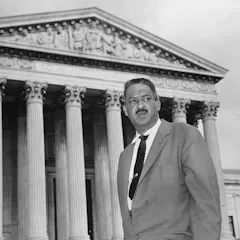
While the Brown vs. Board of Education case is often celebrated for ordering school desegregation, history shows many black people in the city where the case began opposed integrated schools.
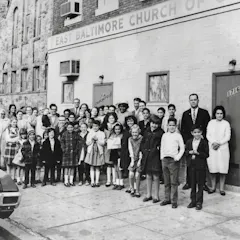
A folklorist is working to preserve the history of a unique, urban community of Lumbee Indians.
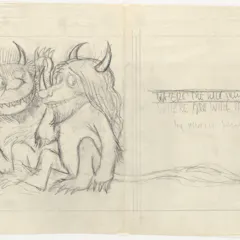
The book took eight years from conception to publication. In the earliest dummy, the monsters that millions have grown to love actually started out as horses.
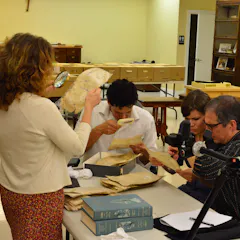
Catholic Church records document the earliest black history in the US, going back to the 1590s. These records tell the histories of Africans, free and enslaved, who were part of Spanish expeditions.
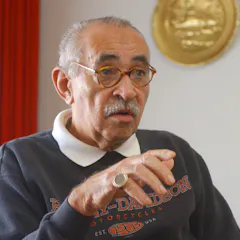
Rev. Walker worked closely with King and would be the one to bring King’s Letter from Birmingham Jail to public attention. He was the only one who could understand King’s handwriting.
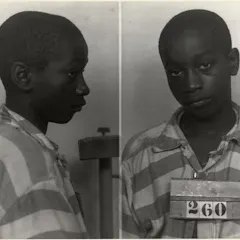
The National Death Penalty Archive collects documents and paraphernalia behind the thousands of executions that have taken place on American soil.
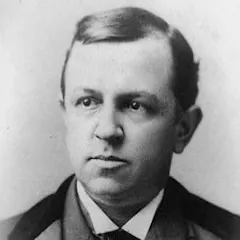
Henry W. Grady wanted to promote northern investment in the South – and he was willing to ignore lynchings and the exploitation of black labor.
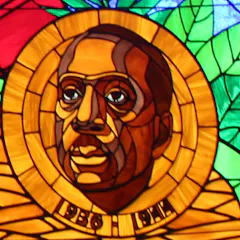
Howard Thurman, a mentor to MLK, first met Gandhi during a visit to India in 1936. He came to understand nonviolence as a force more powerful than hate that had the power to transform the world.
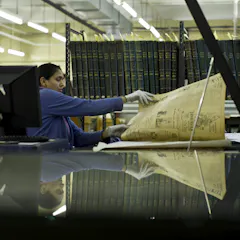
The media trope negates the work done by archivists, who are often well-aware of the existence of ‘long-lost’ letters, journals and stories.
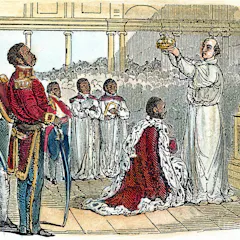
In 1811 a former slave named Henry Christophe anointed himself ‘First Monarch’ of the ‘New World.’ For 10 years, he ruled over a part of modern-day Haiti, becoming a global media sensation.
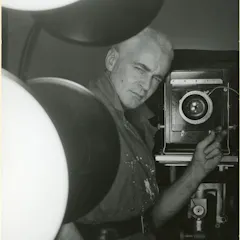
Lynes was a highly sought-after commercial and fashion photographer in the 1930s and 1940s. But he had to keep his most important body of work hidden away.

Museums’ collections are a priceless resource for scientists, but they’re not easy to access. Digitizing specimens – like the 700 bat skulls the author studied – is a way to let everyone in.
Sixty years ago, stereo promised to forever change the way people listened to music. But how could record companies convince customers to buy a new record player, speakers and amplifier?
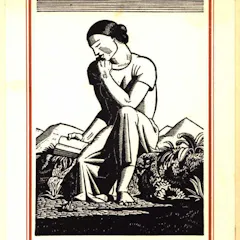
For centuries, readers have written in the margins of their books to indicate admiration, disagreement or inspiration. Plath was no different.
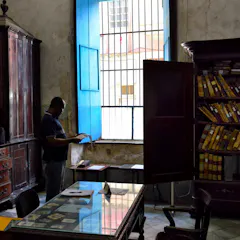
The Slave Societies Digital Archive documents the lives of approximately 6 million free and enslaved Africans in the Americas.
Striking 20th-century garment workers wore their best dresses and hats to send a message that they had the right to be taken seriously and have their voices heard.
Top contributors
-

Professor of History, Vanderbilt University
-
Scientific Computing Consultant, University of Minnesota
-
Professor of History, Rochester Institute of Technology
-
Associate Professor of Media and Communication, Temple University
-
Professor of History, Vanderbilt University
-
Associate Professor of American Studies, Dickinson College
-
PhD in Early Modern Literature, University of California, Davis
-
Postdoctoral Fellow in History, Vanderbilt University
-
William A. Kern Professor in Communications, Rochester Institute of Technology
-
Assistant Professor of Photojournalism and Visual Storytelling, Rochester Institute of Technology
-
Associate Professor of Interdisciplinary Studies, University of Nevada, Las Vegas
-
Professor of Paleontology and Director of the University of California Museum of Paleontology, University of California, Berkeley
-
Emerita Professor of Religious Studies, San Diego State University
-
Senior Wicklander Fellow at the Insitute for Business and Professional Ethics, DePaul University
-
Manager of Traveling Exhibitions at the Kinsey Institute, Indiana University