
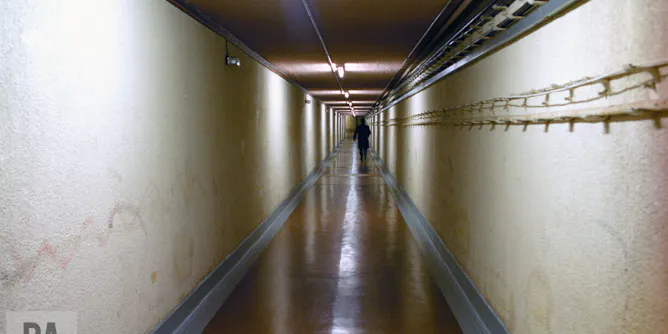
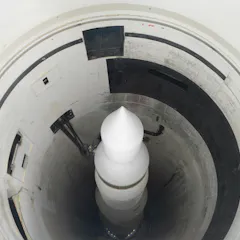
Nuclear bunkers are familiar Cold War artefacts, but many have been re-purposed or lie derelict.
Articles on Cold War
Displaying 301 - 320 of 360 articles
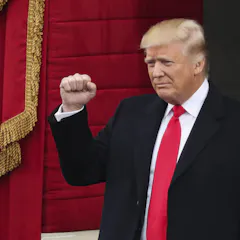
Is Trump correct in asserting that NATO has outlived its utility? Or that NATO’s members enjoy a ‘free ride’ on the back of the US? A political scientist examines the evidence.
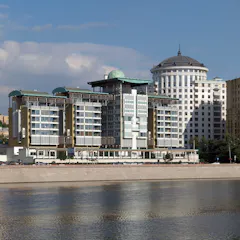
UK diplomats are thoroughly briefed on the pitfalls that could trap them on overseas service.
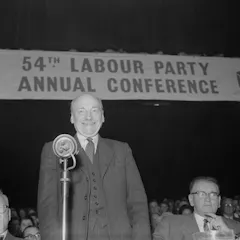
He is revered for founding the welfare state, but the post-war leader also left a lasting legacy in British intelligence.
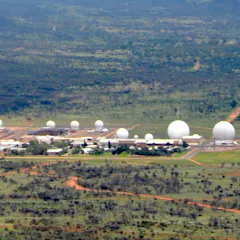
More than ever, Pine Gap remains at the heart of the Australian alliance with the United States, but serious reform is needed.
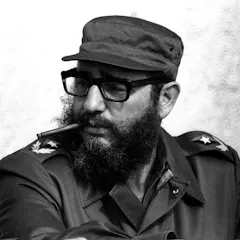
Many Ethiopians regard Castro as the man who saved their country. Somalis view him as the man who denied them the Greater Somalia re-union
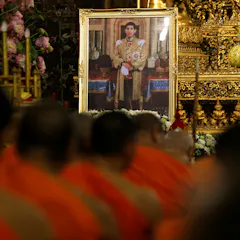
It would be short-sighted to believe that a more far-reaching transformation than a royal succession might not also be in store for the Kingdom of Thailand.

More than any other, Venezuela is a country of Cuba’s making. But its own national tragedy is too deep for most citizens to mourn Fidel Castro’s death.
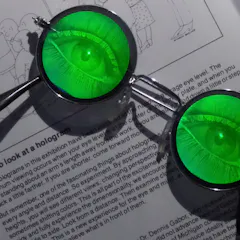
When technologies let us down, they tend to be forgotten. There’s a very good reason why this should be resisted.
New book describes how the American war game Able Archer 83 put Soviets on high alert at the height of the Cold War era.

While the rest of the world reeled in shock, the Russian leader was very quick to congratulate the new president-elect.
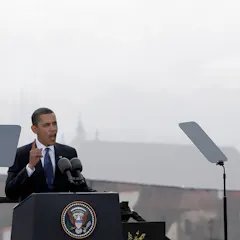
With a $1 trillion modernisation programme signed off and atomic scientists deeply worried about the future, American policy on nuclear weapons is pretty much business as usual.
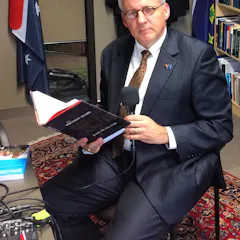
In the third volume of The Official History of ASIO series, historians Dr John Blaxland and Dr Rhys Crawley examine the organisation's role in the years leading to the end of the Cold War.
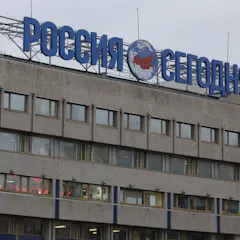
NatWest’s decision to close RT accounts may not be the right move to win the information war against Russia.
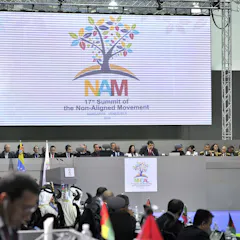
The Non-Aligned Movement member states enjoy cohesion on few issues. Historically, their heterogeneity ranged from absolute monarchs to socialist presidents.

On September 27, 1956, an atomic mushroom cloud rose above the Maralinga plain - the first of seven British bomb tests. Why was Australia so keen to put UK military interests ahead of its own people?

Think the Cold War is over? It may be, but its effects still cast a long shadow over society.
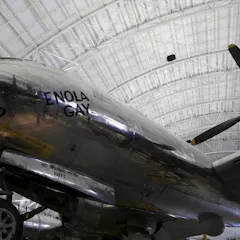
The Soviet Union tested its own atomic bomb in 1949, to the profound shock of the US. This heated up the Cold War dramatically and thrust the Congo to the centre of American geopolitical strategy
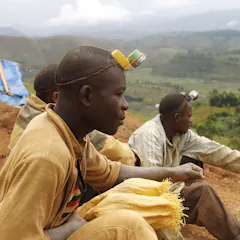
The mine that produced the uranium that made the Hiroshima bomb has since been closed. But its troubling legacy continues to haunt the Democratic Republic of Congo and the local community.
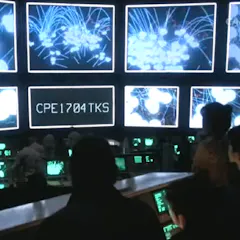
For art to imitate life is understandable, but politics inspired by films can be a recipe for disaster.
Top contributors
-

Honorary Professor of International Relations, University of the Witwatersrand
-
Professor of Political Science, University at Buffalo
-
Lecturer in Peace Studies and International Development, University of Bradford
-
Pro Vice-Chancellor Research and Professor of International Studies, La Trobe University
-
Professor of Political Science, Kansas State University
-
Professor of Political Science, Boise State University
-
Professor of International Security, University of Birmingham
-
Professor of History and Political Science, University of Michigan
-
Senior Research Fellow, Centre for the Advancement of Scholarship, University of Pretoria., University of Pretoria
-
Associate Professor of Global Studies, Appalachian State University
-
Political Scientist, University of the Western Cape
-
Lecturer in Strategic Studies and International Relations, University of Reading
-
Professor of Political Science, Macalester College
-
Associate Professor in Archaeology and Space Studies, Flinders University
-
Professor of Military History, University of Calgary