

Matcha may potentially provide more nutritional benefit than a regular cup of green tea.
Articles on Cognitive function
Displaying 21 - 40 of 52 articles

Mitochondria, which are found in every cell in the body, play an important role in brain function.

While there are still far more questions than answers about long COVID-19, researchers are beginning to get a clearer picture of the health and economic consequences of the condition.

Dancing requires physical, social and cognitive engagement and, as a result, it may bolster a wide network of brain regions.

Action is needed to hold off a wave of dementia cases in an aging population. One of the most effective tools to reduce the prevalence of dementia is to address modifiable factors.

It’s still unclear whether HRT can protect brain function and prevent dementia.

While only about 20% of people would qualify for a formal diagnosis of a mental disorder, more than 60% express symptoms of those disorders – and those symptoms can lead to cognitive difficulties.

Across Canada and the United States, more than two million people are living with aphasia and its language and communication challenges.

Our gut microbiome is connected to almost every aspect of our health – including brain health.

Forgetfulness is often regarded as a sign of old age. But what exactly is going on in the brain that makes it more difficult for older people to remember things?

Researchers are piecing together clues to better understand the puzzling array of symptoms in those who never seem to fully recover from COVID-19.

Napping in the afternoon can benefits both motor skills and your ability to recall facts.

Depression can cause widespread changes in our brain – including to the regions responsible for memory.

Research shows short bouts of physical activity can boost your concentration for up to one hour.

During Mental Health Week, let’s look at why some people, such as those experiencing depression or substance dependency, struggle to make decisions like everyone else.

During uncertain times, feelings of anxiety and even anger are normal responses. If left unchecked, these emotions can affect how we behave, but acknowledging them can ease their intensity.
A bioengineer explains how a clearer picture of brain structure and function may fine-tune the ways brain surgery attempts to correct structure and medication tries to correct function.
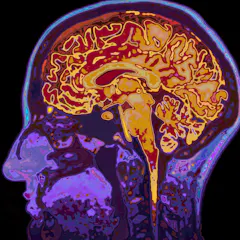
Even though the brain controls virtually everything we do, we often know very little about it.

Simple policies, such as the free bus pass for older adults, not only reduce loneliness but also help older people maintain cognitive function.

The ‘right’ amount of noise is different for everyone. That might explain why some people perform best in noisy environments, while others prefer silence.
Top contributors
-

Research Associate, University of Glasgow
-
Professor, Mental Health and Addiction, Rural Health Research Institute, Charles Sturt University
-
Contract Lecturer in Digital Media, Toronto Metropolitan University
-
Programme Leader in Psychology with Criminology, Northumbria University, Newcastle
-
Emeritus Professor, National Centre for Youth Substance Use Research, The University of Queensland
-
PhD researcher and demonstrator, Northumbria University, Newcastle
-
Curtin Senior Fellow, Professor & Clinical Neuropsychologist, Curtin University
-
Honorary Fellow, Department of Health Sciences, University of York
-
Professor of Psychiatry, University of Glasgow
-
Associate Professor, School of Psychological Sciences, Macquarie University
-
Research Fellow, Harvard Medical School, Research Fellow, Florey Institute of Neuroscience and Mental Health
-
Professor, Macquarie University
-
Reader in Cognitive Neuroscience, Liverpool John Moores University
-
Bernard Wolfe Professor of Health Neuroscience, University of Cambridge
-
Professor in Criminology, Loughborough University