

The preferences of horror audiences change over time, much like the ebb and flow of the blood depicted in these movies.
Articles on Civil rights
Displaying 41 - 60 of 223 articles
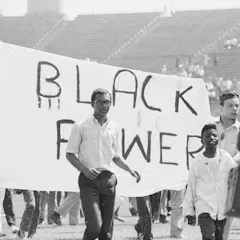
In 1966, the assertion of Black power was grounded in an appeal to the founding principles of the United States. Black church leaders called for healing internal divisions through engagement.

Districts across the country have struggled to improve access and diversity in advanced math classes for years. A new approach offers hope.

As the nation marks the 70th anniversary of Brown v. Board, one of its most significant side effects − the large-scale loss of Black teachers − continues to affect America’s schools.
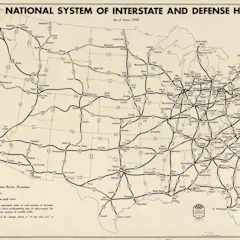
Black activists have long used maps to help illustrate their communities’ history and to document historical injustices.

Mae D Huettig, Romana Javitz and Shirley Graham DuBois were instrumental in their respective media fields but very few of us will be aware of their individual contributions.
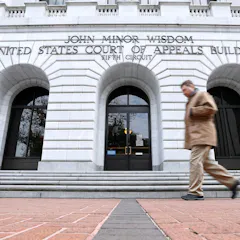
A court long known for its landmark decisions expanding civil rights is now known for highly conservative rulings reining in government power.

Though progressive politics at the turn of the 20th century called for the protection of America’s national parks, it did so for the enjoyment of white people.
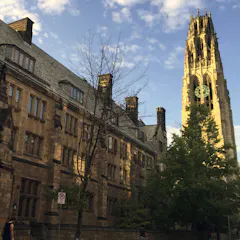
Especially since the Second World War, an increasingly diverse university student body and advocacy for student rights have affected how universities understand a duty of care for students.
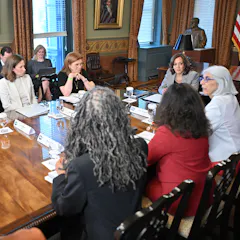
If safety is the heart of the Biden administration’s executive order on AI, then civil rights is its soul.
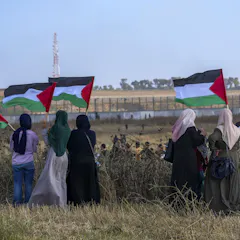
The history of Palestinian statehood is marked by shifts in four sovereignty categories. Understanding them can shed light on the complex dynamics and key challenges in Palestine’s statehood pursuit.

When it comes to picket lines, courts aim to uphold civil and property rights without jeopardizing workers’ freedom of expression.
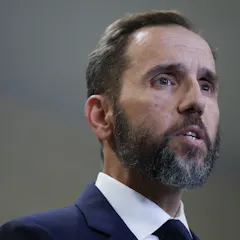
One of the charges against Donald Trump dates back to the 1870s and was designed to give the federal government the power to ensure states held free and fair elections.
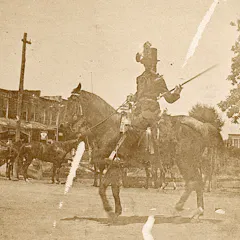
For the formerly enslaved Black people in Texas, Juneteenth meant more than freedom. It meant reuniting families and building schools and developing political power.
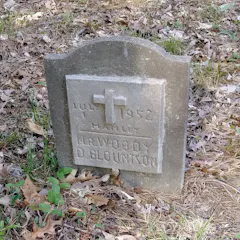
Tombstones that used the honorifics ‘Mr.’ and ‘Mrs.’ restored a sense of dignity to people who had been denied it in life.

President Lyndon Johnson’s commencement address at Howard University in 1965 offered a compelling argument on the need for affirmative action. His policies have been challenged ever since.
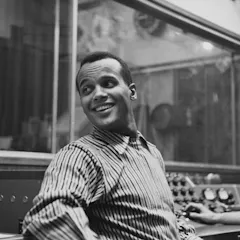
Harry Belafonte spent much of his life supporting youth-led movements that fought against racial injustice. A historian explains how.

While Bryant Donham was never charged for her involvement in Till’s death, the Justice Department continued to investigate the case and consider the potential for an arrest as recently as 2021.
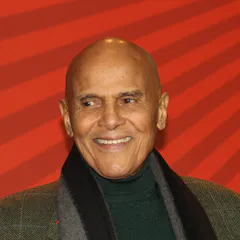
Known as the ‘King of Calypso’, Belafonte used his platform as an artist to elevate and support political activism.
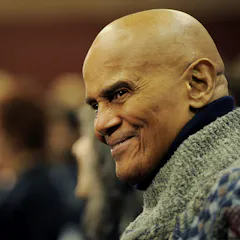
Singer, actor and activist died on April 25 at the age of 96. His legacy spans stage, screen and political activism.
Top contributors
-

Bizot Family Professor of History, University of Memphis
-
Associate Professor of History, Deakin University
-
Professor Emeritus of Law and Adjunct Professor of Political Science, Case Western Reserve University
-
Professor of History, Morehouse College
-
Professor of Journalism, Indiana University
-
Professor of Education and Demography, Penn State
-
Professor of Political Science, University of Florida
-
Associate Professor of History; Director Center for Civil Rights History and Research, University of South Carolina
-
Assistant Professor of History and Community Engagement, St. John Fisher University
-
Professor, Florida State University
-
Associate Professor of Intellectual Heritage, Temple University
-
Assistant researcher, University of Sydney
-
Professor of History, Arizona State University
-
University Professor and Joseph H. & Belle R. Braun Professor of American Jewish History, Brandeis University
-
Associate Professor of Political Science, University of Oregon