
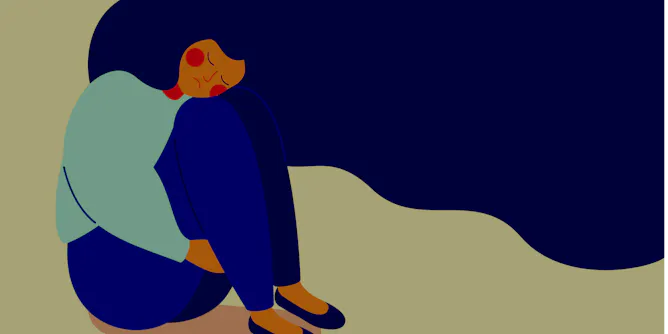
In many sub-Saharan African countries, 20% of mothers have suffered the death of a child, a new study finds. In Mali, Liberia and Malawi, it’s common for mothers to lose two children.
Articles on Child mortality
Displaying 21 - 40 of 50 articles

In Eswatini, Botswana, South Africa and Lesotho more than 1 in 5 children are HIV-exposed but uninfected. A coordinated strategy is needed to ensure all children reach their developmental potential.
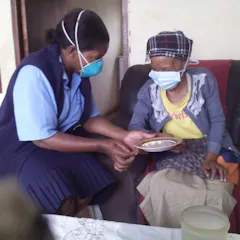
Top-down reforms like those proposed in the NHI Bill need to be complemented by a bottom-up process of health system strengthening.

What should be done to ensure that the SDGs actually change countries’ development trajectories? Here are four practical steps.

At the beginning of the 1980s, homicides were relatively rare in Venezuela. Now, it’s one of the most dangerous countries in Latin America.
Only half of Kenya’s 47 counties achieved the 2000 goal on reducing child mortality
The gaps in African government are twofold: governance and education. It is important to focus on both areas to bring about overall improvements.
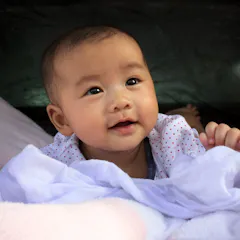
A look at key data shows that the world is much better off today than ever before in history.

As cannabis is legalized in Canada and parts of the United States, it’s worth looking back on the public health impact of the repeal of alcohol Prohibition in the U.S.
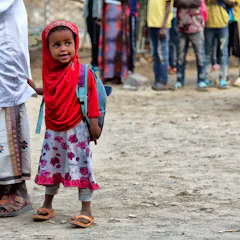
Ethiopia has a high number of injury-related deaths and disabilities among children.
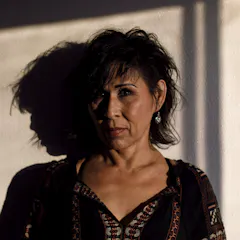
Recent revelations of the coerced sterilization of Indigenous women in Canada are part of a long, complex and disturbing history – in which feminism became a fight to keep one’s own children.
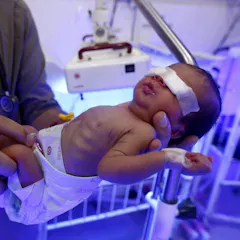
New study finds association between how gender equal a country is and how many children die before they reach age five.

Increases in gold prices on world commodities markets are linked to fewer surviving girls in India. This is related to gold often being part of bridal dowries.
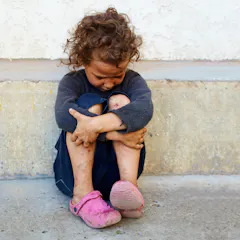
From food insecurity to cyberbullying and teenage suicide, Canada scores low on child health.
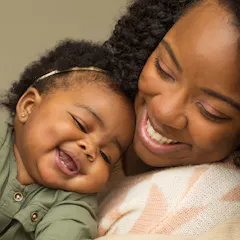
American support of the formula industry comes at the cost of the health and lives of Black and brown babies, at home and abroad.
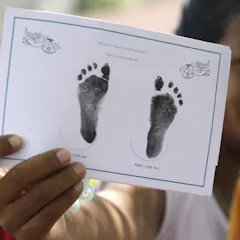
Researchers found stark differences in child mental health and infant mortality rates, depending on whether immigrant mothers were covered by inclusive policies or not.
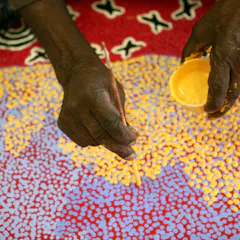
Care needs to be taken in interpreting progress on closing the gaps between Indigenous and non-Indigenous Australians, and ascribing it to actual policy change.
Life expectancy has been steadily improving in the UK for 110 years. Until now.
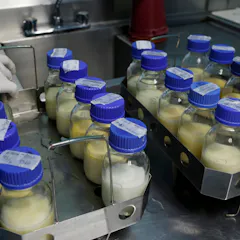
Human milk banks play an important role in ensuring the safe supply of breast milk. This is made available to babies whose mothers are unable to breastfeed.
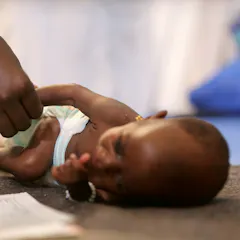
By committing ourselves to understanding how interventions work on the ground, we have the opportunity to save the millions who die unnecessarily each and every year.
Top contributors
-

Senior postdoctoral research fellow, Institute of Tropical Medicine Antwerp
-
Bachelor of Medical Science (Hons) student; global health researcher, Murdoch Children's Research Institute
-
Professor in Food Security; Head of the Department of Agricultural Economics, Extension and Rural Development, University of Pretoria
-
Associate Professor of Global Health Systems, The University of Queensland
-
Afrobarometer Senior Analyst/Methodologist, University of Cape Town
-
Assistant Scientist, Johns Hopkins University
-
Senior Research Scientist, African Population and Health Research Center
-
Associate Professor at the John Curtin School of Medical Research, Australian National University
-
Professor of Medicinal Chemistry, University of Dundee
-
Director, Maternal and Infant Health Care Strategy Extramural Unit, SAMRC, University of Pretoria
-
Network and Research Manager: ARUA – UKRI GCRF FSNet Africa, University of Pretoria
-
Honorary Associate Professor in the School of Public Health, University of the Witwatersrand
-
Head, Population Health Unit, KEMRI, Kenya Medical Research Institute
-
Doctoral Researcher in Economic History, Lund University
-
Associate Professor of Pharmaceutical Sciences in the School of Health Sciences,, University of KwaZulu-Natal