
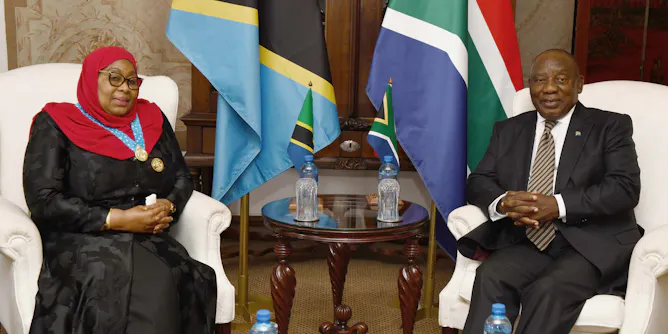
Ties between the two nations date back to Tanzania’s solidarity with the anti-apartheid struggle.
Articles on Chama Cha Mapinduzi
Displaying all articles
After years of censorship, opposition parties have to – all at once – rejoin public debates, reorganise and remotivate demoralised supporters.
President Samia Hassan may have been an ‘accidental president’ but Tanzania’s leader has set out to showcase her own political strategy.
There may be significant limitations to the political reform that can be realised by new president Samia Suluhu Hassan.
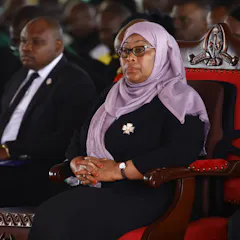
Hassan may prove the right sort of politician to usher in a new era of bipartisan politics, less populist and authoritarian and more collegial.
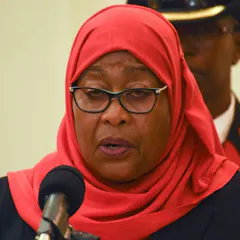
Hassan, like Magufuli before her, has taken office without her own political base and will also have to contend with revived factional manoeuvring.
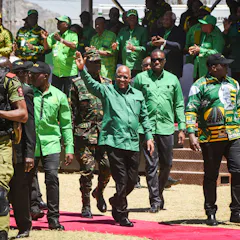
President John Magufuli won a second term by a contested landslide and looks set to take even greater control of Tanzania’s democratic space.
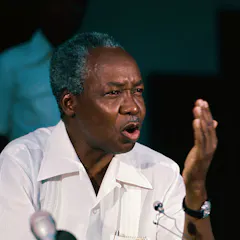
For all of the shortcomings of Nyerere’s regime, his ideas continue to inspire Tanzanians fighting for a more equal and democratic future, over 20 years after his death.
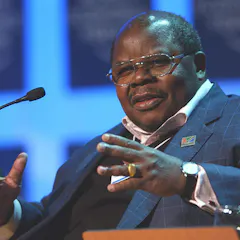
Mkapa, who penned an autobiography, had an impressive record in building state institutions. But his reign was marked by killings and political suppression.
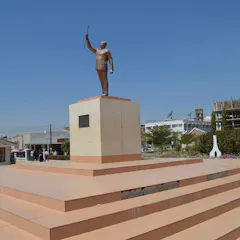
While sometimes intolerant of criticism, Nyerere tended to respond with argument rather than force.

In Tanzania today, political space has shrunk to the point where protests are suppressed before they emerge
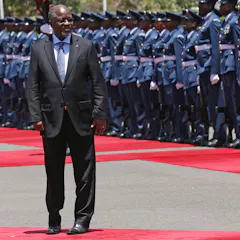
Tanzania’s President John Magufuli has brought dramatic change and his intolerance for corruption won him worldwide admiration. But his repressive means to stay in power are being questioned.
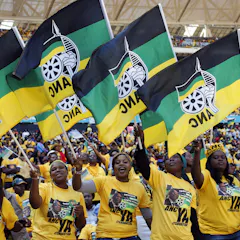
Democracy in South Africa is meaningless if it doesn’t improve the lives of the people. To do this, the governing ANC must be led by conscientious, competent and interested leaders.
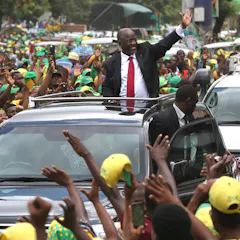
Good governance and accountability are high on the agenda of Tanzanian President John Pombe Magufuli.
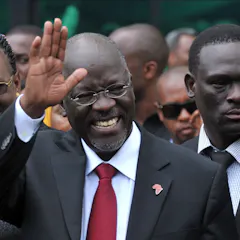
Tanzania’s new president, John Pombe Magufuli, needs to change the country’s lukewarm attitude to the EAC and regional integration, which has cast a shadow over the future prospects of the region.
Top contributors
-

Assistant professor, University of Sussex
-
Senior Lecturer in Politics and International Relations, University of East London
-
PhD Candidate, Department of Political Science and Public Administration, University of Nairobi
-
Lecturer, Tumaini University Makumira
-
Assistant Professor of Political Science, Marist College
-
PhD Candidate, Yale University
-
Professor of Democracy, University of Birmingham
-
PhD Candidate, Yale University
-
Professor of Practice in Diplomacy, Dept of Politics and International Studies, SOAS, University of London
-
Postdoctoral researcher, Institute for Society and Globalisation, Roskilde University
-
Researcher at History Workshop, University of the Witwatersrand
-
Junior Research Fellow in Politics, University of Oxford
-
Researcher, United States International University
-
Acting Director: Institute for Pan-African Thought & Conversation, University of Johannesburg