

The CDC guidance applies to areas with high coronavirus transmission rates – which on the day of the announcement covered 63% of US counties.
Articles on Centers for Disease Control and Prevention (CDC)
Displaying 81 - 100 of 157 articles

Recent developments have shown that Nigeria requires improved surveillance to keep other diseases like Mpox at bay while battling COVID-19.

As Los Angeles County again mandates masking indoors – even for the fully vaccinated – local health officials in the U.S. are closely eyeing their own COVID-19 vaccination and infection rates.
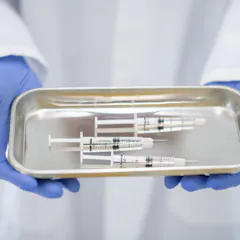
The US has split into “two Americas,” one of the unvaccinated and one of the vaccinated. The differences in deaths and hospitalizations between the two populations are striking.
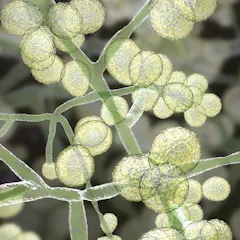
Prevention may be the best way to cope with the worldwide wave of treatment-resistant fungal pathogens.

A federal eviction ban had much less effect than state-specific restrictions, an analysis of eviction data finds.

Many governments, including the US, already collect and make public population statistics that could help them prepare for the next pandemic.

The Pfizer COVID-19 vaccine was recently approved for adolescents ages 12-15. Vaccination is essential to protect children from serious illness and quicken return to normal life.
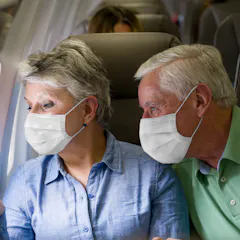
New CDC guidance permits domestic travel for fully vaccinated individuals, as long as social distancing is respected. International travel guidelines are different.

Millions of vaccinated people have been waiting for guidelines on what they can do safely. The CDC says it’s OK to gather with other vaccinated people, but it’s still best to avoid travel.
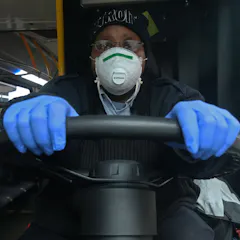
Recent federal mask mandates on all public transit have burdened bus drivers with difficult and sometimes dangerous duties to reduce the spread of the coronavirus.
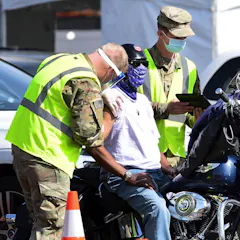
Developing a national disaster response plan for the pandemic was only step one.
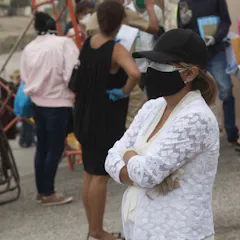
How well your mask works depends on how well it fits. Wearing two snug masks made of different materials offers 95% protection from exposure to aerosols that could contain the coronavirus.

So far, the only COVID-19 vaccines authorized for use need to be kept frozen. But there are many places in the world that can’t support a cold supply chain.
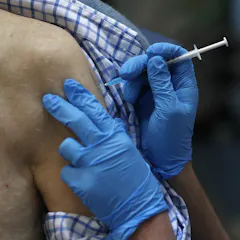
The coronavirus vaccine was developed faster than any vaccine in history. It took just 332 days from the first sequencing of the virus genome to the first vaccines given to the public.
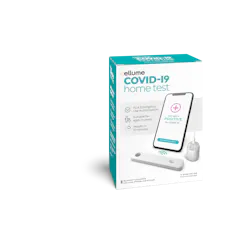
A new over-the-counter COVID-19 test has been authorized by the FDA. Though it can be used to test people with and without symptoms, moderate cost and limited production mean it isn’t a game-changer.

Health systems around the US are on the cusp of receiving COVID-19 vaccines. At the end of this months-long effort are the nitty-gritty details of how health care providers are giving people the vaccine.
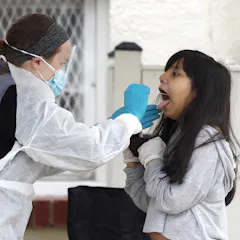
In September, production of rapid tests really ramped up in the US. But due to low accuracy and massive numbers needed, these tests alone are unlikely to have much of an effect on the pandemic.

Biden will begin his presidency in the midst of a global public health crisis that’s already killed over 240,000 people in the US alone. His team is already planning how to get COVID-19 under control.
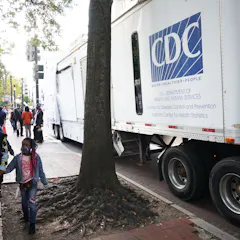
The CDC has released conflicting messages on masks and transmission of the coronavirus. A scholar explains the nature of trust and why institutions need to be careful.
Top contributors
-

Assistant Professor of Pediatrics, University of Colorado Anschutz
-
Regents' Professor & Chair, Medical Laboratory Science, Texas State University
-
Professor of Medicine, University of Virginia
-
Teaching Professor of Public Health, Arizona State University
-
Associate Professor of Public Health, The Ohio State University
-
Adjunct Associate Professor of Epidemiology, University of California, Los Angeles
-
Instructor of Human Immunology, Emory University
-
Assistant Professor of Law and Director of the Medical-Legal Partnership Clinic, University of Memphis
-
Associate Professor of Medicine and Geriatrics, University of Virginia
-
Assistant Research Scientist, University of Michigan
-
Vice Provost for Faculty Affairs and Professor of Statistics, Virginia Tech
-
Clinical Associate Professor of Infectious Diseases, Stanford University
-
Clinical Assistant Professor of Nursing, Purdue University
-
Adjunct Professor of Epidemiology, University of Texas Health Science Center at Houston
-
Research Assistant Professor at the Institute for Social Research, University of Michigan