
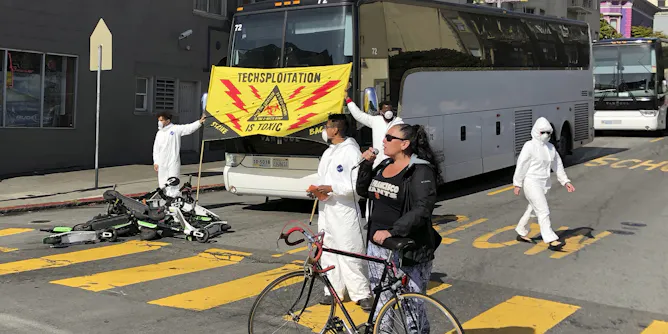
Big technology firms are becoming known for mistreating workers, customers and society as a whole. Is an economic powerhouse about to collapse like Detroit did years go?
Articles on California Dream
Displaying all articles
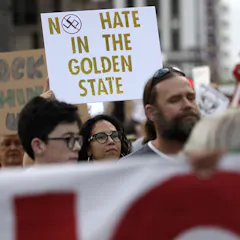
Defiant against Trump’s policies on immigration and environment, California finds itself defending its way of life – the California Dream itself.
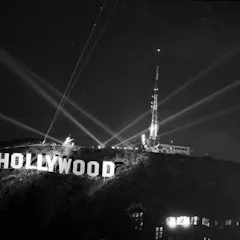
Only recently did it come to represent the dream of fame.
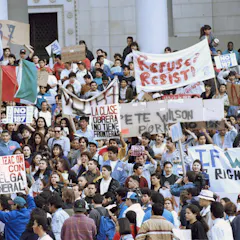
In the 1990s, older Californians struggled to make way for a younger, more diverse generation. Here’s how that ‘racial generation gap’ transformed the state – and what it means for the rest of the US.
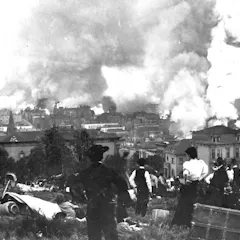
According to current forecasts, California has a 93 percent chance of an earthquake with magnitude 7 or greater occurring by 2045. Early warning systems, now in development, could limit casualties and damage.

California produces 90 percent of the US strawberry crop, but growers face curbs on toxic chemicals that have helped their industry expand. Can a system centered on mass production become more sustainable?
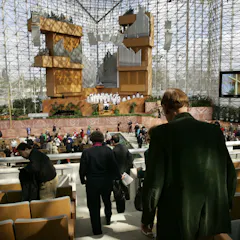
California megachurches played a significant role in how millions of people - Christian or not - understand Christianity.
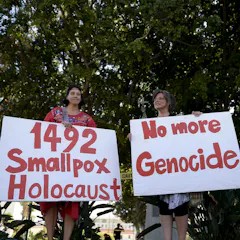
For the Native people of California, the dream has been more of a nightmare.

California’s artisan cheese-making industry has followed the changing tastes of the state’s population waves, from the mid-1800s through today.
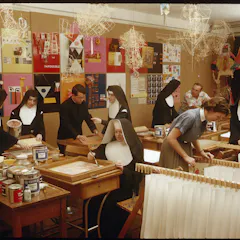
In the ‘60s, a Roman Catholic religious order, the Immaculate Heart Sisters, created a new vision of a religious community. Meghan Markle, engaged to Prince Harry, attended the high school founded by the nuns.
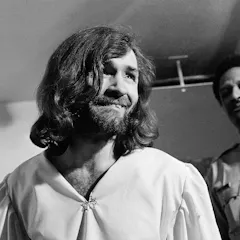
Desperate to achieve fame by any means necessary, Manson was ahead of his time: Today, the delirious pursuit of fame has gone mainstream.
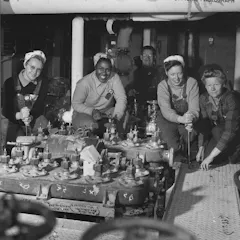
Thousands of American women moved west to take advantage of wartime employment opportunities during WWII. For some, this version of the California dream was temporary; for others, it lasted a lifetime.

Silicon Valley brought together natural surroundings, suburban homes and futuristic high-tech work. But industrial pollution betrayed the California dream.
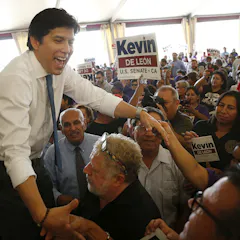
Scholars say elites are critical to helping ethnic communities thrive. So, who are the Latino elites and what work are they doing for their community?
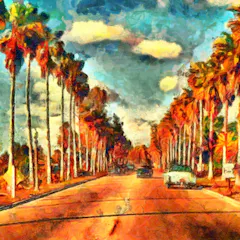
Millions of people have imagined California, but only one man was its historian.
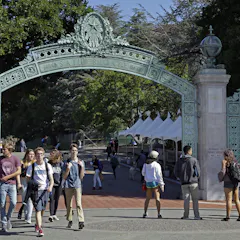
Post-World War II California built an unrivalled system of higher education combining access, affordability and choice. Then a contraction of the vision came in the 1980s.
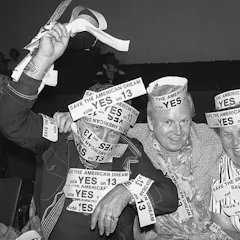
In 1978, Californians voted to pass Proposition 13, which slashed property taxes and ushered in an era of underinvestment, ending the ‘California dream’ for many.
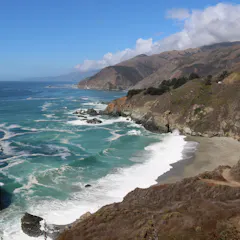
For 50 years California has used laws and policies to manage development along its 1,100-mile coastline and preserve public access to the shore. Climate change will make that task harder.

Knott’s Berry Farm and others romanticize the state’s past and influence visitors’ sense of history. But their ideology reflects mid-20th-century political conservatism more than settlers’ reality.
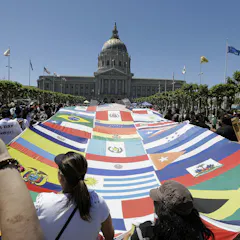
Defiant against Trump’s policies on immigration and environment, California finds itself defending its way of life – the California Dream itself.
Top contributors
-

Distinguished Professor of Sociology and American Studies & Ethnicity, USC Dornsife College of Letters, Arts and Sciences
-
W. M. Keck Professor of Environmental Analysis and History, Pomona College
-
Professor of Geophysics and Department Head, Colorado State University
-
Distinguished Professor of Earth & Planetary Sciences, University of California, Santa Cruz
-
Director, Ocean and Coastal Policy Center, Marine Science Institute, University of California, Santa Barbara
-
Professor and Chair, Department of Journalism, Boston University
-
Professor of Anthropology, Massachusetts Institute of Technology (MIT)
-
Professor of Social Sciences, University of California, Santa Cruz
-
Assistant Professor Department of American Indian Studies, San Diego State University
-
Executive Director, Center for Religion and Civic Culture, USC Dornsife College of Letters, Arts and Sciences
-
Assistant Professor of Science and Technology Studies, Virginia Tech
-
University Research Professor, University of Kentucky
-
Dean, College of Arts & Sciences; Professor of History, SUNY Polytechnic Institute
-
Professor and Knight Center Chair in Media & Religion, USC Annenberg School for Communication and Journalism
-
Digital Engagement Librarian, University of Nebraska Omaha