
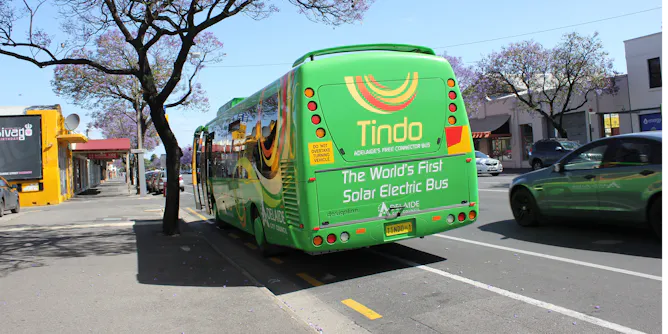
Transport is the one sector where Australia hasn’t reined in the growth in greenhouse gas emissions. Electric cars will cut emissions but still leave us with all the other problems of car use.
Articles on Buses
Displaying 21 - 40 of 54 articles

In many cities contemplating new light rail systems, bus rapid transit offers a cheaper, faster and more flexible solution.
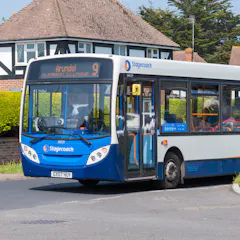
Long-overdue changes are afoot in Britain’s bus networks.
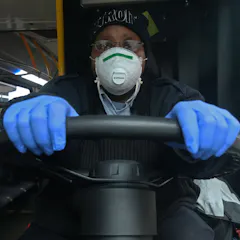
Recent federal mask mandates on all public transit have burdened bus drivers with difficult and sometimes dangerous duties to reduce the spread of the coronavirus.
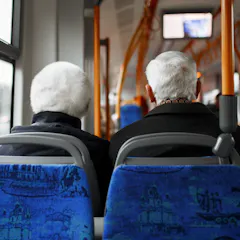
Transportation planning for the elderly should consider their needs, including safe pathways and accessible vehicles.
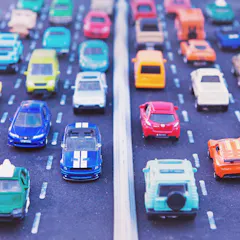
Life cycle assessments of electric vehicles show that they cannot fully eliminate the greenhouse gas emissions of personal travel. We also need bikes, buses and trains to solve our climate problems.
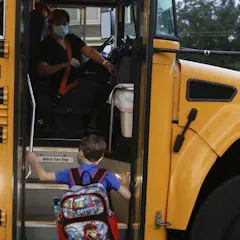
A researcher explains what it will take to make sure children are reasonably safe from catching the coronavirus aboard school buses.

New bike lanes are a good idea for health and air quality, but the convenience of car travel for most journeys will remain.
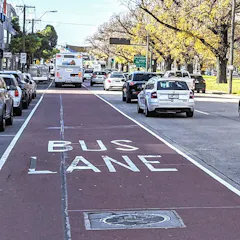
As COVID-19 restrictions are eased, cities face crippling congestion if people shun crowded public transport. More frequent and faster services, using innovations like pop-up bus lanes, can avoid this.
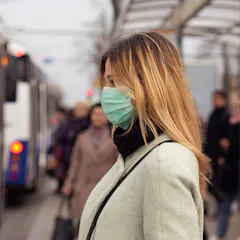
Masks protect you from infection and protect others from getting sick. But authorities are leaving it up to individuals to decide if they want to wear masks on the bus or train. Here’s how to decide.
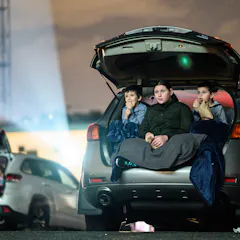
The pandemic has forced many people to shift from public transport to car travel. But is this likely to be permanent?
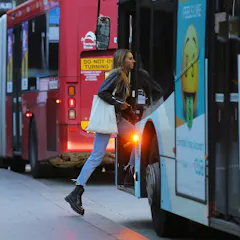
Social distancing isn’t really compatible with public transport – especially during peak times. So how can we stay safe if we’re starting to take public transport again?
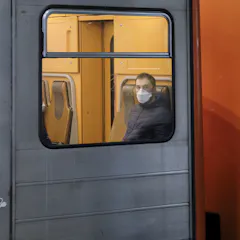
Many operators have lost almost all their fare revenue. Even those who operate on contract terms that reduce the impact of falling patronage must bear the costs of disinfection and other precautions.
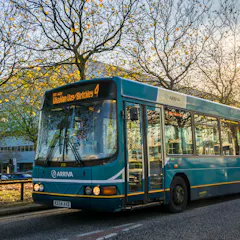
New technologies and service models could revolutionise Britain’s creaking, privatised bus networks.
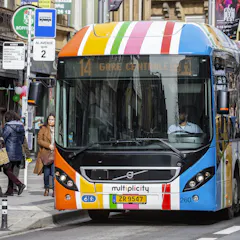
Fare free public transport exists in at least 98 cities and towns around the world.
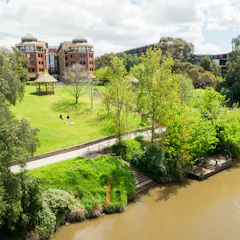
Only the inner suburbs of Melbourne and other capital cities meet the 20-minute neighbourhood test. But we could transform the other suburbs for much less than the cost of current transport projects.
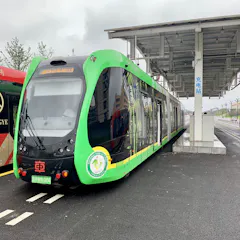
Installing light rail is costly, as Sydney has found, but it’s the gold standard for public transport along road corridors. What trackless trams can do is rapidly expand such services at low cost.
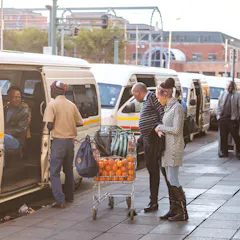
Violence is very common on South Africa’s various taxi routes.

The Commuter Car Park Fund announced in the budget sounds big, but is likely to create only around 30,000 extra spaces – a marginal benefit for Australia’s 1.2 million daily public transport users.
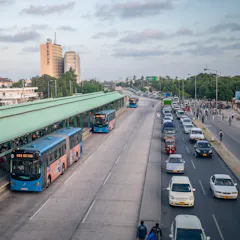
Bus Rapid Transit has powerful supporters around the world – but shouldn’t public transport be designed in the public interest?
Top contributors
-

Professor of Operations Management, Manchester Metropolitan University
-
Visiting Research Fellow, Intelligent Mobility, Manchester Metropolitan University
-
Honorary Senior Fellow in Transport Planning, The University of Melbourne
-
Professor in Transport Planning, University of Westminster
-
Professor of Urban Policy and Planning, Hunter College
-
Professor of Transport Strategy, The Open University
-
Lecturer in Technology and Innovation Management, The Open University
-
Assistant Professor of Community and Regional Planning and Director, Urban Information Lab, The University of Texas at Austin
-
Associate Professor, Epidemiology, Deakin University
-
Adjunct Professor, Institute of Transport and Logistics Studies, University of Sydney Business School, University of Sydney
-
Researcher in Transport Policy and Governance, UCL
-
Honorary Professor of Transport Studies
-
PhD Candidate and Sessional Lecturer in Planning, The University of Melbourne
-
Masters of Community and Regional Planning Candidate, The University of Texas at Austin
-
Professor of Data Science, Bournemouth University