
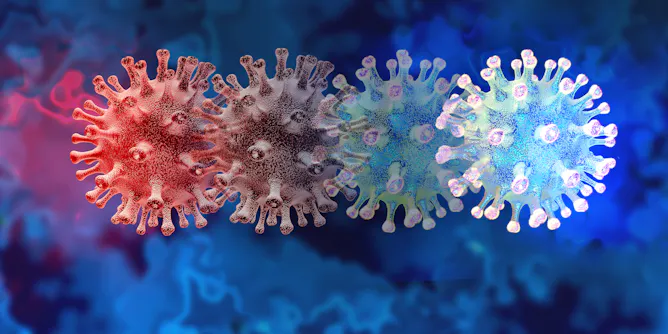
New Zealand’s proportion of reinfections is now at 17% of new cases. As new variants continue to proliferate, vaccine boosters would protect those most vulnerable and reduce the risk of long COVID.
Articles on Breakthrough infections
Displaying all articles
Research suggests that too-frequent immunizations may lead to a phenomenon called “immune exhaustion.”
The COVID-19 pandemic has brought immunology terms that are typically relegated to textbooks into our everyday vernacular. These stories helped us make sense of the ever-evolving science.
People are buzzing with questions about the omicron variant and whether it could help usher in herd immunity. A team of virologists deciphers the latest findings.
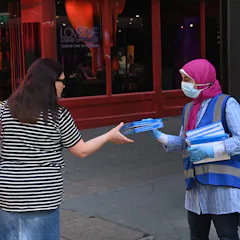
Counting the number of unvaccinated people is surprisingly hard.

Which vaccine you received and how long ago you received it can influence your chance of experiencing a breakthrough infection.
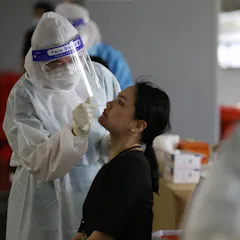
‘Breakthrough’ infections can happen because of waning immunity or high viral doses. But our vaccines are still excellent at preventing severe disease and death.

People with weakened immune systems are at a high risk of severe and prolonged COVID-19 infections. An extra vaccine dose can bolster protection.
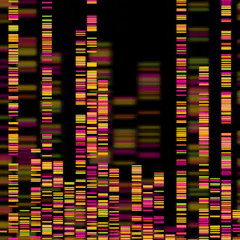
As more genomes are sequenced, it will become clearer when and how the Delta variant slipped through the New Zealand border. The greater the diversity in genomes, the older and larger the outbreak.

Vaccines can’t provide 100% protection, so it’s not a failure or surprise when some vaccinated people get sick with COVID-19. The good news is their cases are much less likely to be severe or fatal.

The CDC guidance applies to areas with high coronavirus transmission rates – which on the day of the announcement covered 63% of US counties.

Vaccinated people can still get infected with the coronavirus. So if you have symptoms of COVID-19, getting tested can protect others and help health officials keep an eye on the virus.
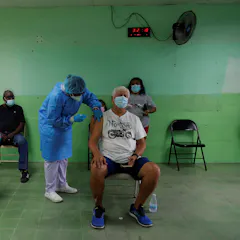
Reports of fully vaccinated people getting infected with coronavirus shouldn’t cause alarm.
Top contributors
-

Professor of Pathology, Microbiology and Immunology, University of South Carolina
-
Postdoctoral Fellow in Virology and Immunology, University of Colorado Boulder
-
Professor of Pathology, Microbiology and Immunology, University of South Carolina
-
Professor of Molecular, Cellular and Developmental Biology, University of Colorado Boulder
-
Postdoctoral Fellow in Virology, University of Colorado Boulder
-
Research associate, Warren Alpert Medical School, Brown University, Brown University
-
Assistant Professor of Infectious Disease, University of Michigan
-
Senior Research Fellow in the Sheffield Alcohol Research Group, University of Sheffield
-
Professor and Webster Family Chair in Viral Pathogenesis, University of Otago
-
Pediatric Infectious Diseases Fellow, University of Pittsburgh
-
Senior Lecturer, University of Auckland, Waipapa Taumata Rau
-
Associate Dean for Regional Campuses, University of California, San Francisco
-
Professor and Department Chair of Infectious Diseases and Microbiology, University of Pittsburgh
-
Professor of Cardiac Medicine, University of East Anglia
-
Distinguished Professor of Infectious Disease Epidemiology and Public Health, Te Kunenga ki Pūrehuroa – Massey University