
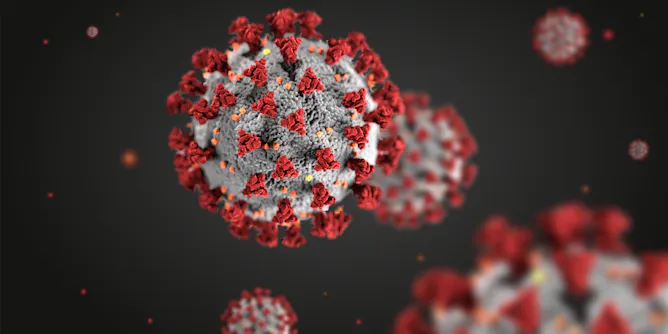
The COVID-19 pandemic has brought immunology terms that are typically relegated to textbooks into our everyday vernacular. These stories helped us make sense of the ever-evolving science.
Articles on Vaccine booster shots
Displaying 1 - 20 of 24 articles

Flu vaccines will soon be available. And this year, you can get your COVID shot at the same time.
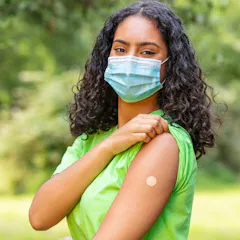
It’s too soon to recommend booster shots for younger children. But we can watch what’s happening in the US, where children as young as 12 are receiving theirs.
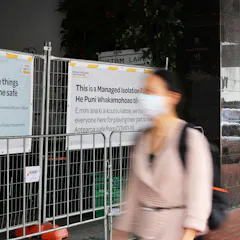
New Zealand’s system of managed quarantine at the border may soon be less important, but we could well need to stand it up again quickly if a new COVID-19 variant emerges.
People are buzzing with questions about the omicron variant and whether it could help usher in herd immunity. A team of virologists deciphers the latest findings.

For a number of reasons, as time goes on vaccines become less effective. So how do researchers calculate how well vaccines are working?
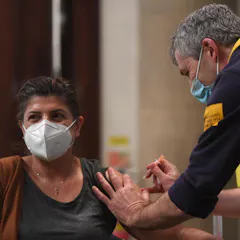
Half a million British people need to be given a COVID vaccine each day between now and the end of January 2022.
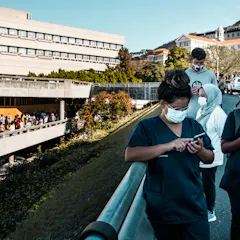
The focus of the government seems to be about how many people can get vaccinated rather than ensuring the greatest protection against severe disease and deaths.
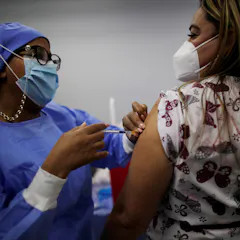
Protection from infection wanes over time. So boosters will offer extra protection and hopefully reduce the spread of the virus even further.
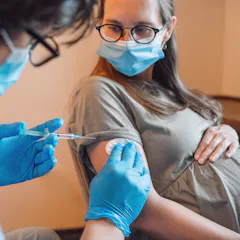
In light of mounting research showing the serious risks of contracting COVID-19 during pregnancy, the CDC is re-upping its urgency that pregnant women get their shots.
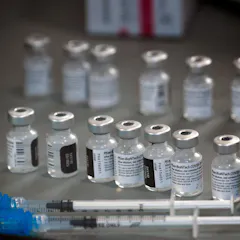
Fault lines between the FDA and CDC regulatory processes have been on full display in the decisions over which groups of Americans should receive the Pfizer booster shot.
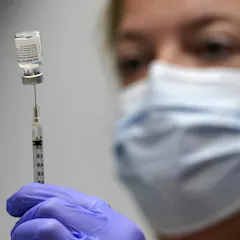
An FDA panel has voted against recommending approval of a booster COVID-19 shot for the general population – disappointing some public health officials.
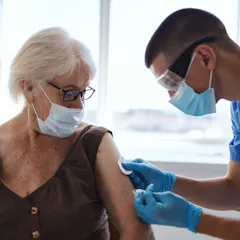
The UK has outlined plans to top the immunity of the most vulnerable ahead of the winter.
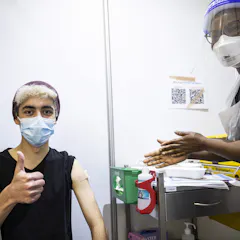
You’ll read lots of different figures on this — six months, eight months, more — and that’s because the research is ongoing. We don’t yet have a concrete answer.

As we continue to roll out COVID-19 vaccines around the world, we’re learning people who are immunocompromised aren’t necessarily protected as well from the first two doses.
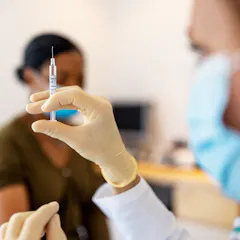
A 2015 paper on chicken virus evolution is being taken out of context and used to fuel fears about COVID-19 vaccines. Its lead author aims to clarify the science in hopes of saving lives.

People with weakened immune systems are at a high risk of severe and prolonged COVID-19 infections. An extra vaccine dose can bolster protection.

Getting first doses to countries short of supplies should be the priority, argues the World Health Organization.
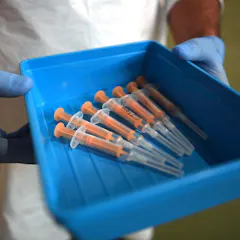
If immunity is waning or ineffectual against new variants, then boosters could be needed – but there needs to be evidence that they’re necessary.

Weeks do matter when it comes to the Delta strain. With Australia still heavily reliant on the AstraZeneca vaccine, for now it makes sense to reduce the time between the first and second jab.
Top contributors
-

Instructor of Human Immunology, Emory University
-
Professor of Medicine, University of Virginia
-
Postdoctoral Fellow in Virology, University of Colorado Boulder
-
Professor, The Children's Hospital at Westmead Clinical School and Sydney Infectious Diseases Institute, University of Sydney
-
Postdoctoral Fellow in Virology and Immunology, University of Colorado Boulder
-
Professor of Molecular, Cellular and Developmental Biology, University of Colorado Boulder
-
Research scientist, Manaaki Whenua - Landcare Research
-
Research associate, Warren Alpert Medical School, Brown University, Brown University
-
Adjunct professor, Te Herenga Waka — Victoria University of Wellington
-
Professor of Public Health, University of Sheffield
-
Laboratory Head, The Peter Doherty Institute for Infection and Immunity
-
Dean Faculty of Health Sciences and Professor of Vaccinology at University of the Witwatersrand; and Director of the SAMRC Vaccines and Infectious Diseases Analytics Research Unit, University of the Witwatersrand
-
Professor of Pathology, Microbiology and Immunology, University of South Carolina
-
Professor of Pathology, Microbiology and Immunology, University of South Carolina
-
Principal Lecturer, Microbiology and Biomedical Science Practice, Fellow of the Institute of Biomedical Science, University of Brighton