

Some companies rely on expensive borrowing to stay afloat.
Articles on Borrowing
Displaying 1 - 20 of 47 articles

A German loan for fixing Johannesburg’s electricity utility is unlikely to make much difference to users yet: prices will probably rise faster than inflation.

State spending has remained high despite public demands for greater fiscal discipline.

The most important thing to do is to lower the cost of capital for African countries.

Financing a first home can feel overwhelming. Here’s a general guide to some of the key parts of the process.

Borrowing is more expensive. Investors are holding back.

Serviceability buffers aren’t just bureaucratic hurdles for home buyers. They are a brake on unsustainable borrowing and a cushion against future shocks.

It might be time to go back to a simpler approach, when one set of rules applied to all consumer credit products.

New Zealand’s capital requirements are meant to ensure banks survive a 1-in-200-year event. The next Reserve Bank governor will need to weigh the costs of relaxing the rules.

Despite owning a smaller share of their home, younger homeowners borrow often, and borrow more, than their parents.

Using debt to invest can magnify gains – but it can also seriously magnify losses. It isn’t for the faint-hearted.
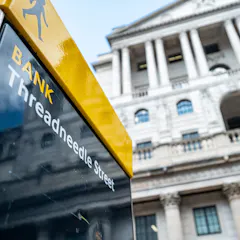
The committee that decides on UK interest rates has been independent of government since 1997 – but it still attracts controversy.

Homeowners looking to remortgage and first-time buyers struggled to manage interest rate hikes in 2023. Here’s what to think about this year.

Taboos around talking about money can prevent people from learning important lessons about using credit and getting into debt.

Both major political parties have promised to introduce financial literacy to New Zealand’s curriculum. But is school really the best place to teach students about money?

Recent interest rate hikes are not just a problem for mortgage borrowers, many companies are suffering too.

African states say a pan-African rating agency will enable them to access capital and integrate the continent with global financial markets.

Interest rate hikes are the Bank of England’s main monetary policy weapon against inflation, but they aren’t working.

New mortgage products designed to help struggling first-time buyers hark back to the pre-2008 market and so should come with a warning.
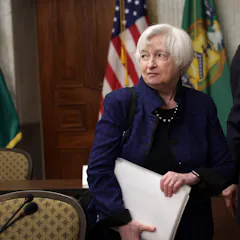
If the US fails to increase its debt ceiling by June 1, it could be forced into an embarrassing – and hugely costly – default on its obligations.
Top contributors
-

Associate Professor of Business, Boston University
-
Head of Department of Economics, Finance & Accounting, Brunel University of London
-
Professor of Banking & Applied Economics, University of Stirling
-
Visiting Faculty in Economics, Emory University
-
Professor of Economics, University of Leeds
-
Coventry University
-
Associate Professor of Economics & Finance, School of Management, University of Bradford
-
Professor Emeritus of Economics, SOAS, University of London
-
Visiting Professor at the Business School, University of the Witwatersrand
-
Instructor of Business Management, University of Toronto
-
Professor of Economics, University of Georgia
-
Professor of Marketing and International Business, Michigan State University
-
Professor of Economics, University of the Western Cape
-
Professor of Political Economy, University of the Witwatersrand
-
Research associate, Loughborough University