
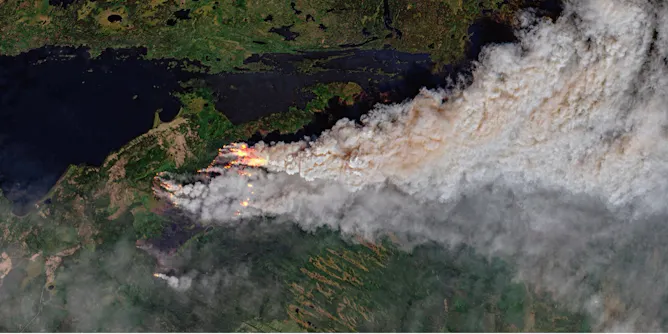
North America’s boreal forests have been burning a lot, probably more and more over the past 60 years. Yet the long-term trend indicates that they are burning less than they were 150 years ago.
Articles on Boreal forest
Displaying 21 - 40 of 45 articles
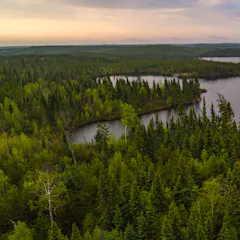
Canada’s boreal forest is affected by global warming, climate change and the frequency of forest fires.
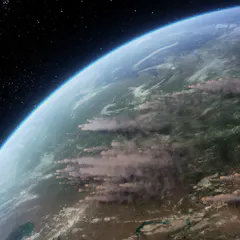
New research shows boreal forests comprised 23% of global wildfire emissions in 2021, up from 10% in a typical year.
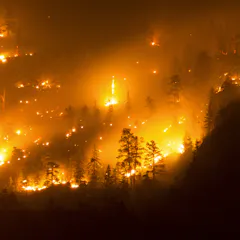
The wildfires of the past were as fierce, deadly and eerily similar to the ones we have today. And we have yet to learn to live with them.
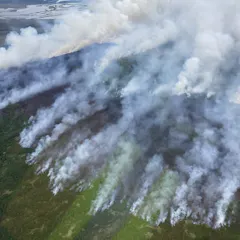
Fires today are hotter and more destructive, thanks in part to a warming climate.
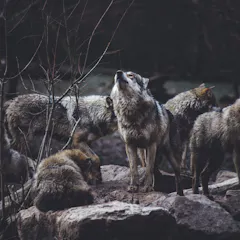
Woodland caribou populations are on the decline because human activity changes their habitat and exposes them to predation by wolves. But changing wolves’ hunting habits may protect the caribou.
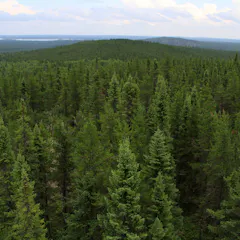
The Ring of Fire Regional Assessment is Canada’s first opportunity to apply new legislative tools to co-operating with Indigenous jurisdictions. But the government is messing up.
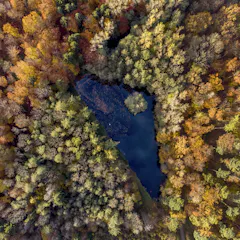
The pledge to end deforestation holds great potential, but Canada has some work ahead if it is to make meaningful progress on the new goal and stop ongoing forest and carbon loss.
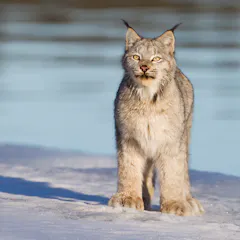
Audio recordings of the secret lives of the Canada lynx demonstrate the value of technology in monitoring wildlife.

Recent wildfire seasons have been worsened by climate change. But wildfires also lead to additional climate warming when they release carbon dioxide to the atmosphere.
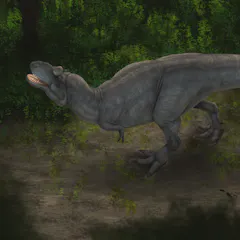
So how accurate is the T. rex’s running speed in that famous Jurassic Park jeep-chase scene?
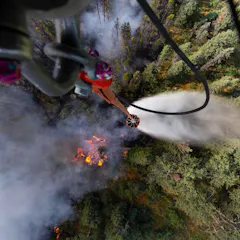
A new study finds more deciduous trees like aspen are growing in after severe fires in the region, and that has some unexpected impacts.
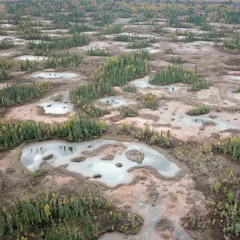
Peatlands store more soil carbon than any other terrestrial ecosystem, including tropical forests. But they have been heavily exploited and damaged. Now, scientists are working to restore them.
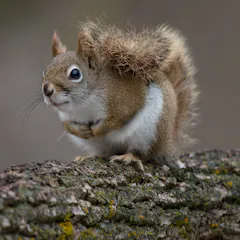
Red squirrels are solitary by nature, but research has found that they benefit from familiarity with other squirrels.
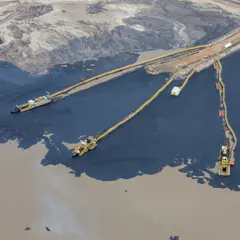
A new nature-based approach to managing oilsands tailings shows promise in the lab and may soon be tested in the field.
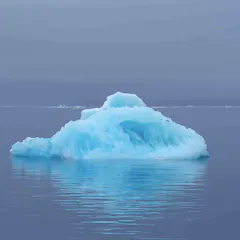
Extreme shrinkage of summer sea ice is just the latest evidence of rapid Arctic warming – and what happens in the Arctic doesn’t stay there.

Arctic heat waves were once rare and unusual events. But as their intensity and frequency increase with climate change, their fallout could affect the north — and the planet — for decades to come.
Canadians are more concerned about the environment than ever before. Here’s how to judge a party leader’s perspective on protecting biodiversity.
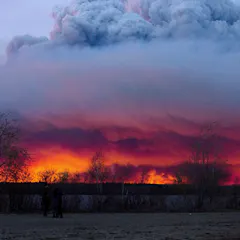
The boreal forest is being reshaped by wildfire. As climate change intensifies wildfire activity, the boreal forest will likely become a carbon source.
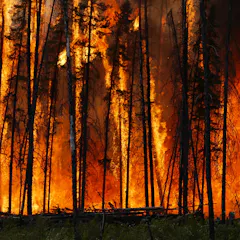
Boreal forests store one-third of all terrestrial carbon - but for how long?
Top contributors
-

Agente de transfert de connaissances pour le Centre de recherche sur la boréalie (CREB), Université du Québec à Chicoutimi (UQAC)
-
Professor of Geography and Director of the Centre for Wildfire Research, Swansea University
-
Professeur-chercheur en biochimie et pharmacologie, Université du Québec à Chicoutimi (UQAC)
-
Professeur titulaire Chaire en éco-conseil spécialiste des changements climatiques, Université du Québec à Chicoutimi (UQAC)
-
Professeur d'écologie forestière, Université du Québec en Abitibi-Témiscamingue (UQAT)
-
Adjunct professor, Carbone boréal, Université du Québec à Chicoutimi (UQAC)
-
Assistant Research Professor, Northern Arizona University
-
Fellow, Queen's Institute for Energy and Environmental Policy, School of Policy Studies, Queen's University, Ontario
-
Adjunct Professor of Biology, University of Saskatchewan
-
Professeur-chercheur en écologie forestière, Université du Québec à Chicoutimi (UQAC)
-
Professor - Industrial ecology and climate change mitigation, Université du Québec à Chicoutimi (UQAC)
-
Professor and Canada Research Chair in Forests and Global Change, Wilfrid Laurier University
-
Professeur écologie et aménagement forestier, Université du Québec en Abitibi-Témiscamingue (UQAT)
-
Professeur en chimie des produits naturels, Université du Québec à Chicoutimi (UQAC)
-
Associate Professor, Department of Physical Geography and Ecosystem Science, Lund University