
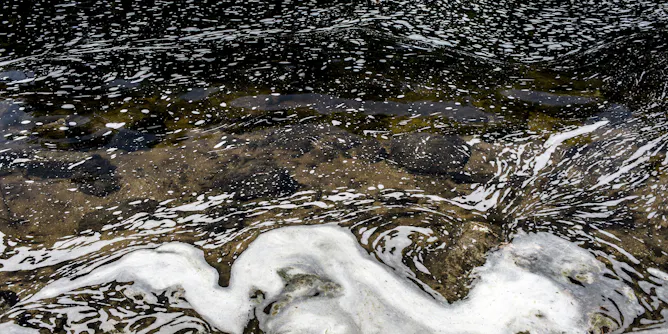
Cancer-linked chemicals can remain hidden in drinking water supplies for decades.
Articles on Blue Mountains
Displaying all articles
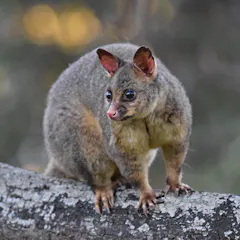
In Australia, people tend to think carnivores lead the clean-up crew after an animal dies. But brushtail possums – thought to be plant-eaters – also eat carcasses.

One way to protect our ecosystems is to confer legal rights on them. This idea is at the heart of the ‘rights of nature’ movement – but Australia has few examples of this principle in action.

For over 40 years, a coal mine on the outskirts of the Blue Mountains World Heritage area dumped poorly treated wastewater into the Wollangambe River. Finally, it’s on the road to recovery.
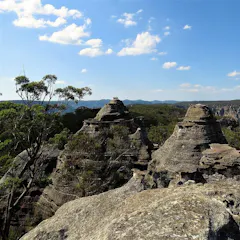
This is no simple story, but one of a generational mining community on the brink of social change and an often thankless, hard-won battle for ecological recognition in the heart of coal country.
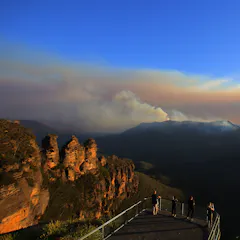
The official advisor to UNESCO rated the site as being of ‘significant concern’, a drop from ‘good with some concerns’. It’s now in the second lowest category.
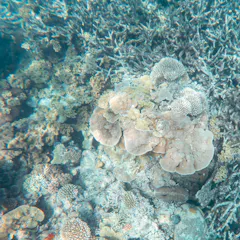
The health of five World Heritage sites in Australia has worsened, according to a sobering report from the International Union for Conservation of Nature.
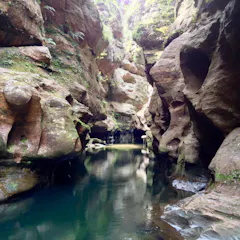
The environmental regulator has stepped in to stop water pollution from an underground coal mine damaging a World Heritage River. Can the mine deliver improvements and will the river recover?
Top contributors
-

Associate Professor in Environmental Science, Western Sydney University
-
Lecturer, Visual Communications / Social Design, Western Sydney University
-
The University of Sydney
-
UNESCO Chair on Climate Change Variability of Natural and Cultural Heritage and Professor in Physics, James Cook University
-
Koala Ecologist, CQUniversity Australia
-
Senior Lecturer Geography, CQUniversity Australia
-
Senior Lecturer, Western Sydney University
-
PhD Candidate and Research Assistant at Sydney Environment Institute, University of Sydney
-
Associate Professor, Global Ecology, University of Sydney
-
Postdoctoral Research Fellow in Conservation and Wildlife Management, University of Sydney
-
Senior Lecturer in Invertebrate Ecology, Western Sydney University
-
PhD Candidate, Western Sydney University
-
Lecturer: Law, CQUniversity Australia
-
Adjunct Principal Research Fellow, College of Science and Engineering, James Cook University