
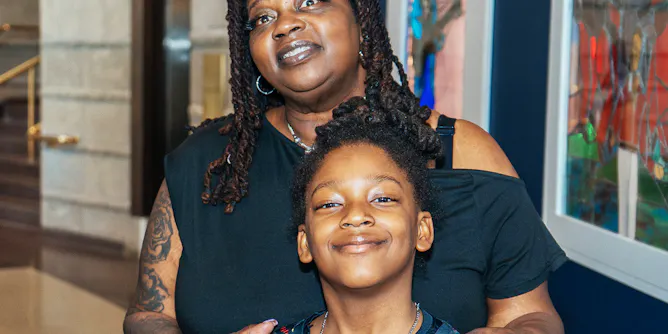
Detroit had 20,370 eviction cases filed in 2025. But evictions that do not go through the formal court process are not included in the city’s official eviction data.
Articles on Black women
Displaying 1 - 20 of 77 articles

Social capital matters in academic career progress.

Guns are what make violent partners so dangerous. And in the US, Black women get less protection from laws meant to keep firearms out of abusers’ hands.
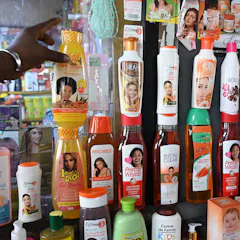
Strong social pressures shape how people respond to direct questions about skin colour.

Classic songs ‘Nowhere to Run’ and ‘Dancing in the Street’ captured the revolutionary spirit of the Civil Rights Movement in the 1960s.
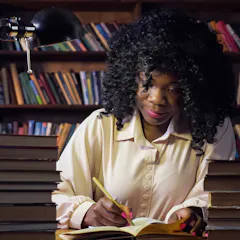
Black women often carry out work their colleagues don’t, such as promoting equality, diversity and inclusion initiatives.
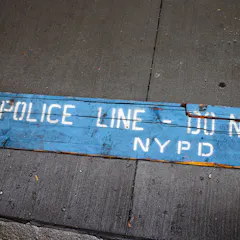
The 1984 shooting death of a Black grandmother in her Bronx apartment sparked an ongoing movement against police brutality and neglect of the mentally ill.
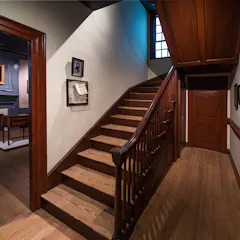
The staircase was originally acquired due to its craftsmanship. Only later did scholars realize that it was where Harriet Jacobs suffered abuse at the hands of her enslaver.

The music and life of Black women is memorialised in mainstream media in ways that rarely recognise their wholeness and the true extent of their work’s impact.
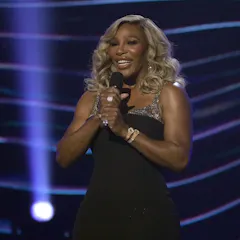
Williams’ ownership stake in the Toronto Tempo signals a major step forward for women’s professional sports.
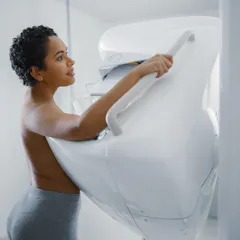
We reviewed nearly 1,000 papers, but only eight articles included Black women.
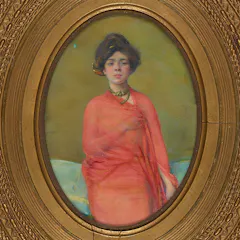
Belle da Costa Greene, who was JP Morgan’s librarian, became a lively fixture at Gilded Age mansions, country retreats, auction houses and art galleries. She was also a Black woman who passed as white.
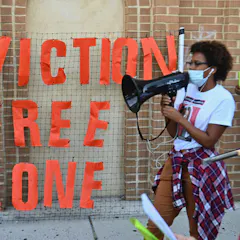
A first-of-its-kind study documents the scope and impact of evictions on Black women and families in metro Detroit.

Popular memes debating Harris’ racial authenticity say less about the US’s first Black and Indian vice president and more about Americans’ complex cultural conversations.
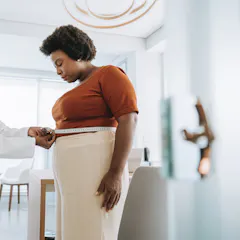
Healthy diet and regular exercise are key to treating obesity. But the stress of everyday racism and sexism hinder Black women from adopting lifestyle changes necessary for weight loss.
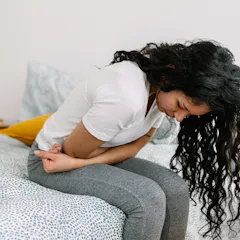
Black and Hispanic women are less likely to receive an endometriosis diagnosis, reflecting a possible systemic bias or disparity in health care access.
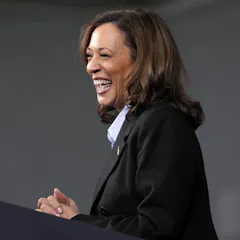
It’s a difficult question that has no easy answers, even if Kamala Harris wins in November.

From being overlooked to assumptions that a promotion is about diversity rather than ability, Black and Asian women face a variety of obstacles.

Why are Republicans talking about Kamala Harris’ laugh? It’s the latest stage in a long history of marginalizing Black women.
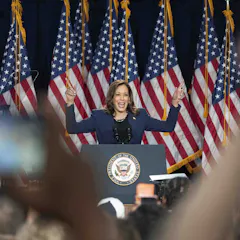
Misogyny has made it difficult for all women to gain entry into politics, let alone Black women, who face the additional obstacle of abject racism. Will Kamala Harris finally break those barriers?
Top contributors
-

Professor of Political Science, University of Florida
-
Assistant Professor, Faculty of Social Work, Wilfrid Laurier University
-
Associate Professor of Law, Rutgers University - Newark
-
Assistant Professor of Communication, Florida International University
-
Adjunct professor of Justice, Law and Criminology, American University School of Public Affairs
-
Associate Professor of Social Epidemiology, The Ohio State University
-
Associate Professor of Law, Santa Clara University
-
Associate Professor, Southern Cross University
-
Assistant Professor of Government and Legal Studies, Bowdoin College
-
Professor of Social Anthropology, University of Manchester
-
PhD Candidate, University of the Witwatersrand
-
Associate Professor, Department of Literary Studies in English, Rhodes University
-
Academic Excellence Coordinator, Tshwane University of Technology
-
Professor of Social Work, University of Johannesburg
-
Doctoral Candidate, Peter A. Allard School of Law, University of British Columbia