

Research reveals that the enduring legacy of racism in medicine contributes to suboptimal communication and poor quality care for women.
Articles on Black health disparities
Displaying 1 - 20 of 22 articles
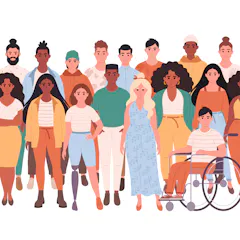
Health disparities cost society billions of dollars, and their effects ripple across communities.

Healthy diet and regular exercise are key to treating obesity. But the stress of everyday racism and sexism hinder Black women from adopting lifestyle changes necessary for weight loss.

PrEP can reduce the risk of sexually transmitted HIV infection by 99%. Discrimination and distrust are two barriers Black gay men face in accessing this lifesaving treatment.

As it is now, the transplant system treats kidneys from all Black donors as if they are at higher risk for failing, even though only some are.
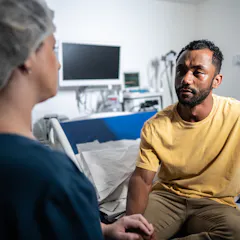
Many Black patients experience stark differences in how they’re treated during medical interactions compared to white patients.

Anti-Black racism has health, social and economic consequences for Black populations in Canada. Partnering with Black communities is a crucial component in effective efforts to mitigate inequities.

Black women died during or soon after pregnancy at higher rates than any other racial group in every year from 1999 to 2019. American Indian and Alaska Native women had the greatest increase in risk during this period.

Biased algorithms in health care can lead to inaccurate diagnoses and delayed treatment. Deciding which variables to include to achieve fair health outcomes depends on how you approach fairness.

Chronic stress from living with systemic racism and gun violence can lead to increased symptoms of PTSD and depression as well as elevated cortisol levels.

Early detection of breast cancer is critical to improving chances of survival. But racial and ethnic minority patients systematically have delayed diagnoses that reduce the benefits of screening.

Earlier detection and treatment of COVID-19 by health care providers in pharmacies could help prevent surges in infection rates and severe illness.
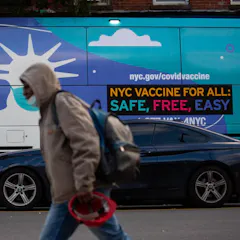
Vaccines and medical treatments can only go so far in an unequal society. Facing the ongoing history of racial discrimination and bias in the US would help end the pandemic.
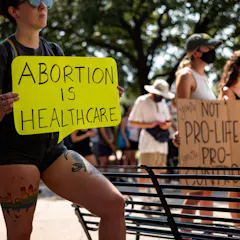
Carrying a pregnancy to term is riskier than having an abortion, especially for non-Hispanic Black women.
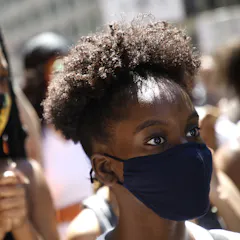
New research points to a biological way that racism can lead to health disparities.
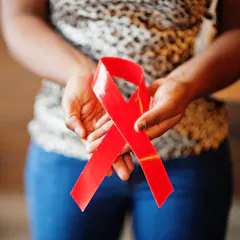
Microaggressions are more subtle than outright discrimination. But they can directly affect HIV treatment outcomes.

Researchers had suspected that chemical hair relaxers might be behind racial disparities in breast cancer diagnoses. A new study narrows in on lye as a possible cause for that link.

Though COVID-19 has killed Black Americans at nearly twice the rate as white Americans, Black people are the least likely racial group to say they’re eager to get the vaccine.
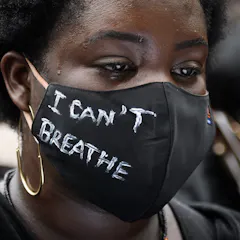
A study of 800 Black American families shows early experiences of racism have long-term consequences for physical and mental health.

Getting the real answers on health gaps requires a deep dive into the demographics.
Top contributors
-

Assistant Professor of Psychology, Georgia State University
-
Professor of Philosophy; Carlson Professor of University Studies; and Director, Center for Bioethics, Health and Society, Wake Forest University
-
Associate Professor of Public Policy, University of Maryland, Baltimore County
-
Associate Professor of Population Health Sciences and Obstetrics and Gynecology, University of Wisconsin-Madison
-
Associate Professor in Sociology, African American Studies, Urban and Regional Planning and Social Work, University of Illinois Urbana-Champaign
-
Postdoctoral Scholar in Epidemiology, Carolina Population Center, University of North Carolina at Chapel Hill
-
Professor, Department of Community Health Sciences, University of Calgary
-
Public Health Researcher at the Institute for Health Metrics and Evaluation, University of Washington
-
Medical Fellow in Radiology, School of Medicine, University of Washington
-
Professor of Public Health Sciences, Director of the Program on Health Disparities and Community Engagement Research, University of Virginia
-
Associate Vice Provost for Health Sciences and Associate Professor, Mississippi State University
-
Associate Professor of Comparative Effectiveness and Outcomes Research, University of Connecticut
-
Distinguished Professor of Pharmacy Practice, University of Connecticut
-
Assistant Professor of Medicine, Boston University
-
Professor of Health Economics, University of Washington