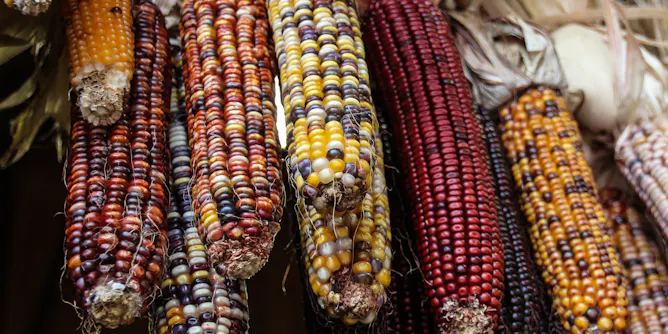
Our food systems are failing to feed all of us.
In this episode of Don’t Call Me Resilient, we pick apart what is broken and ways to fix it with two women who battle food injustice.
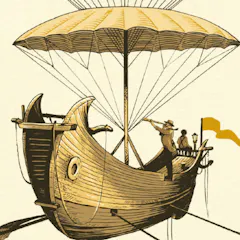
The work of imagining alternate futures is also about re-casting alternative pasts, as is done in the award-winning novel, ‘Washington Black’ by Esi Edugyan and adapted for the screen by podcast guest Selwyn Seyfu Hinds.
Washington Black/Random House
Stories about alternative worlds can be a powerful way of critiquing the problems of our own world.
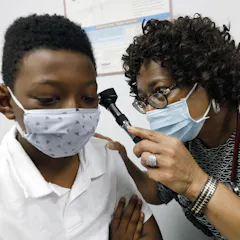
In this episode, Roberta Timothy talks about her new international health project, Black Health Matters, and explains why racial justice is a public health issue. In this photo, Dr. Janice Bacon, a primary care physician with Central Mississippi Health Services, gives Jeremiah Young, 11, a physical exam.
(AP Photo/Rogelio V. Solis)
When COVID-19 first appeared, some called it the great equalizer. But the facts quickly revealed a grim reality: COVID-19 disproportionately impacts racialized communities.
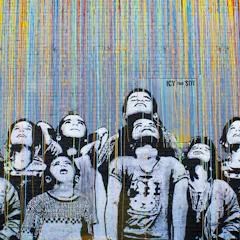
COVID-19 has highlighted longstanding racial inequalities in the education system. Educators say there is a way forward and out of this.
(Leonardo Burgos/Unsplash)
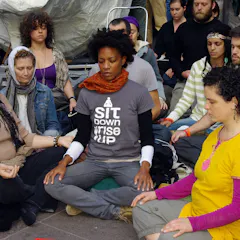
The writer and zen priest Reverend angel Kyodo williams speaks about the pain of racism, how she uses meditation to combat it — and become a stronger anti-racist activist in America today.
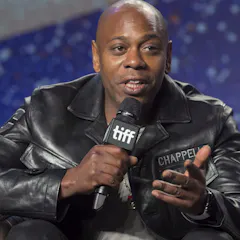
Scholar Cheryl Thompson discusses racist stereotypes, including the words used by comedians like Dave Chappelle, pictured here, in Toronto, in 2018.
THE CANADIAN PRESS/Fred Thornhill
In this episode of Don’t Call Me Resilient, host Vinita Srivastava and scholar Cheryl Thompson dive into the meaning of the n-word and the 150 years of racism embedded in it.