

New research suggests crypto-currencies aren’t technically property in common law jurisdictions.
Articles on Bitcoin
Displaying 161 - 180 of 287 articles
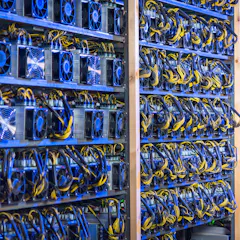
Bitcoin may have a large carbon footprint, but cleaner digital currencies aren’t going to prevent an environmental disaster.

Satoshi Nakamoto proposed Bitcoin in the wake of the 2008 financial crisis.

Harvesting gains from digital money by giving some of it away can be better for donors than the nonprofits they support.

Bitcoin and other digital currencies have been running wild in recent years, soaring and then plunging in value. A few stories from The Conversation’s archive offer a glimpse into their world.

The Internet of Things is contributing to climate change. Innovation in computer design could help mitigate the problem.

When you look carefully, the history of Bitcoin can be traced through five key narratives.
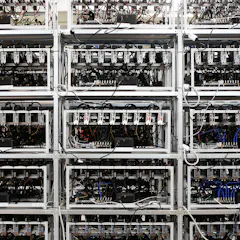
Bitcoin is often criticized for using up tons of energy. But its carbon footprint may not be that bad.

Bitcoin needs regulation to bring it into the mainstream but this goes against its libertarian ideals.
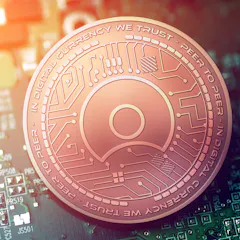
Tokens, the next stage in the development of blockchain technologies, can help expand blockchains’ uses beyond simply exchanging money.

It is hard to predict when quantum computers will be strong and fast enough to crack the codes that keep bitcoin safe. But that day is coming.

Blockchains and AI could play a key role in the decentralised energy systems of the future.
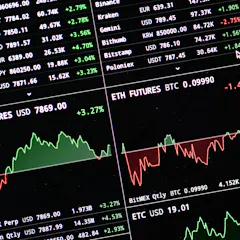
Bitcoin’s rise and fall to date already makes it one of the greatest market bubbles in history. In turbulent times, some have suggested it as a substitute for gold, but it lacks some vital attributes.
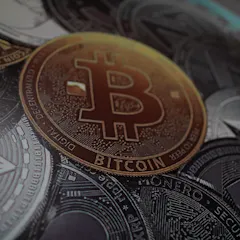
Evidence of past price manipulation of bitcoin and the just-launched Justice Department investigation highlight the need to take steps against cryptocurrency fraud.
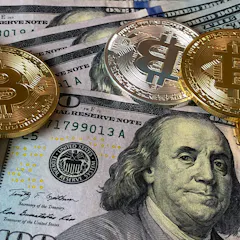
One of the hot questions regarding the bitcoin since the first ones were created in 2009 is its real value. We will try as well to answer to this question using two concepts in economics and finance.
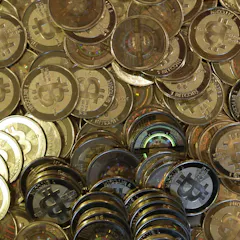
The fate of Bitcoin’s fate is highly unpredictable and dependent on what governments will do in the future.

The technology behind blockchain remains a mystery to many, but the it shares many common features with the popular online encyclopedia with which most web users are very familiar.
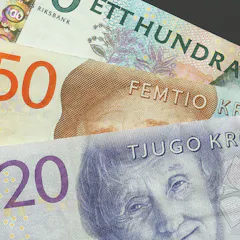
With countries such as China and Sweden are studying plans to create a new form of money – a central-bank digital currency. CBDCs risk revolutionizing both the way money is created and distributed.

The Micronesian Republic of the Marshall Islands is about to become the first country to base its national currency on cryptomoney. Analysis of an absurd political decision.

The evolution of cryptocurrency and how it is replacing modern cash.
Top contributors
-

Professor of Law, University of East London
-
Director of UWA Centre for Software Practice, The University of Western Australia
-
Senior lecturer, Canberra School of Government, University of Canberra
-
Associate Professor in Financial Technology, University of Liverpool
-
Director of the Centre for Digital Finance, Associate Professor in Finance, University of Southampton
-
Professor of Economics, RMIT University
-
Professor of Finance & Financial Technology, University of Reading
-
Assistant Professor - Geography and Development, Northumbria University, Newcastle
-
Professor and Head, School of Business, Monash University Malaysia
-
Senior Lecturer in Business and Commercial Law, Lancaster University
-
Hon Associate Professor. Research interests - AI and the law; Social relationships of trust; Sustainable futures, Australian National University
-
Professor of International Finance and Commodities, Trinity College Dublin
-
Associate Dean, Research and Innovation, University of Salford
-
Professor of AI and Public Policy, University of Salford
-
Professor of Management, University of North Carolina – Greensboro