
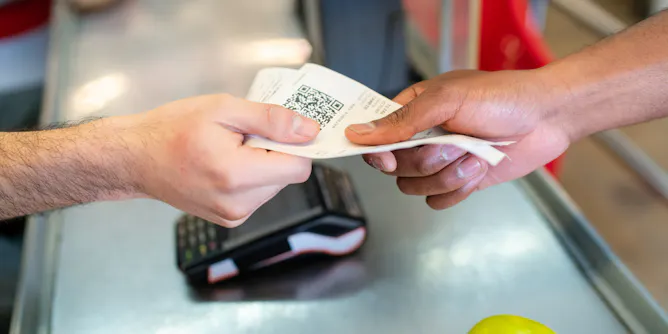
For most people, handling receipts is a low-risk activity, but if you’re concerned, there are some straightforward precautions you can take.
Articles on Bisphenol A (BPA)
Displaying 1 - 20 of 30 articles
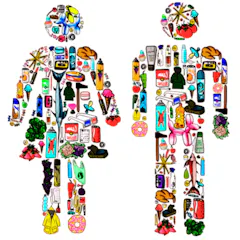
Dependent on a delicate hormonal balance, the thyroid gland is adversely affected by ultra-processed foods, among other artificial interventions in our diet.
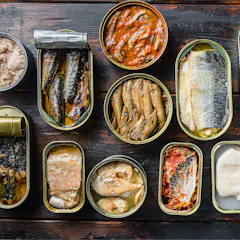
Canned food is safe, but cans are often lined with polymers that can release harmful chemicals, especially into fatty foods.
BPA is an endocrine disruptor widely used in plastics.
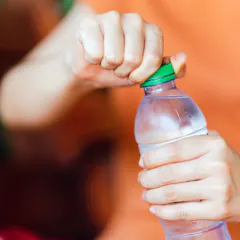
The study suggests BPA, an ingredient in some plastics, might play a role in oestrogen levels in infant and school-aged boys. But we have much to learn about what this means.
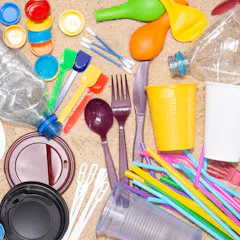
Alternative food containers, such as those made of bioplastics, are being promoted as a way to reduce our exposure to plastic in food. But there is still a lack of knowledge around their impacts.

From miscarriages to cancer, poor regulation of cosmetics in the US have taken a devastating toll on consumers’ lives. Are European consumers any safer?
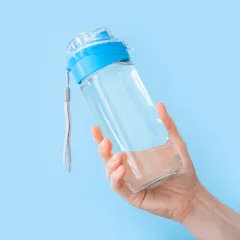
The US Environmental Protection Agency is reexamining the health effects of bisphenol A. A chemist explains why BPA is in plastics and why it’s hard to find a safe replacement.
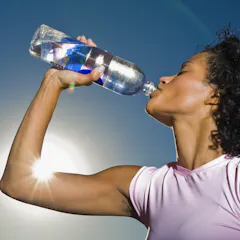
Due to increasing concerns over the health hazards posed by BPA, the Food and Drug Administration plans to reevaluate the safety of the controversial chemical for use in everyday products.

There is abundant evidence of the involvement of endocrine disruptors in reproductive dysfunction in several species, including humans.

Scientists are just beginning to decode the genetic messages in your food – and how that may affect your health.
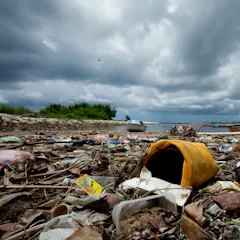
As much as 53 million tonnes of plastic waste could spill into the world’s rivers, lakes and oceans by 2030 — even if countries meet their commitments.
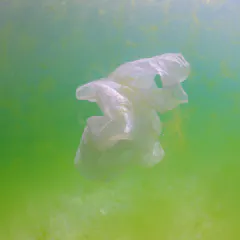
New research shows that chemicals leached from ocean plastic impair the growth and oxygen production of the planet’s most abundant photosynthesiser - endangering marine ecosystems and the climate.

BPA, used widely in plastics and as a liner in food cans, was replaced by a related chemical called BPS. But it seems that this substitute may also harm eggs and sperm and disrupt hormones.
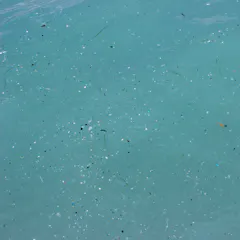
Microplastics are everywhere–our water, soil, and even the air we breathe. The consequences of this exposure on human health is unknown. But studies in animals give us reason to worry.
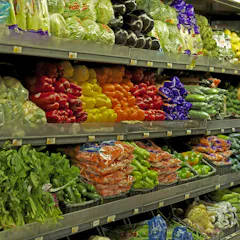
Affluent consumers may have more access to information about food than lower-income earners, but they are just as vulnerable to misinformation and pseudoscience.
Regulation can’t keep up with the thousands of harmful chemicals that wash down our drains. Rather, companies should take responsibility for their products – before they hit the market.
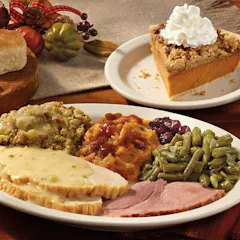
Many of us worry about chemicals in our food, but you can relax about one thing.That green bean casserole may have a lot of calories, but not BPA.
a large majority of people reading this article will have heard little to nothing about the problems of endocrine disrupting chemicals
The headline image of the University of Melbourne’s Facebook link to its press release about recent research on Bisphenol A (BPA) is of a takeaway coffee cup. The kind that does not have any BPA in it…
Top contributors
-

Senior Lecturer in Pharmacology, Adelaide University
-
Associate Research Scientist, Michigan State University
-
Professor of Environmental Health, University of California, San Francisco
-
Research Director, Institute for Sustainable Futures, University of Technology Sydney
-
Adjunct Professor of Toxicology and Pharmacy, School of Pharmacy, University of Canberra
-
Associate Professor, Institute for Sustainable Futures, University of Technology Sydney
-
Chercheur en Toxicologie, Inrae
-
Assistant Professor, Psychology, University of Missouri-Columbia
-
Washington State University
-
Emeritus Professor in Public Health, University of Sydney
-
Postdoctoral Research Fellow, Ecology and evolutionary biology, University of Toronto
-
Professor of Advanced Technology Transitions, Arizona State University
-
Ph.D. Candidate in Environmental and Chemical Engineering, Shanghai University
-
R&T Associate, Luxembourg Institute of Science and Technology (LIST)
-
Professeur du MNHN, Muséum national d’histoire naturelle (MNHN)