

Cancer. Diabetes. Aging itself. Rapamycin’s potential to treat an array of diseases has been a source of scientific fascination. But many aren’t aware of its origins – and its complicated legacy.
Articles on Biopiracy
Displaying all articles

Rooibos herbal tea was first farmed by Indigenous South Africans who were forced off their land during apartheid.
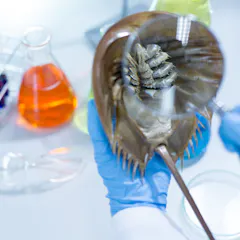
The genetic codes of plants and animals are stored in global databases, often without proper compensation to the countries where they originated. A potential solution will be discussed at Cop16.
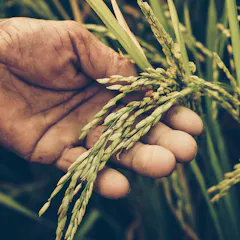
Can you patent something Indigenous peoples already know about? Too often, the answer is yes - but moves are afoot to stop it.

In the 1950s, the African yam was exploited by drugs firm Boots to produce cortisone. But South Africans fought back against the plundering of a plant that they used for traditional healing.

Legislation as well as academic research governance bodies have failed to safeguard the rights of participants from Africa in genomics research.
Researchers say that without first cutting down on the country’s notorious red tape, Indonesia’s newly signed science law will discourage international collaboration.
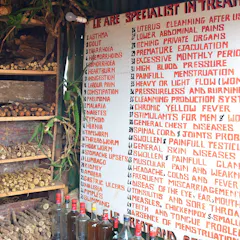
In the last two decades, neglect of traditional medicine has been replaced by renewed focus and a raft of policies and new laws.

Traditional knowledge that drives indigenous communities’ innovation in agriculture, medicine and conservation is not protected by existing international law.
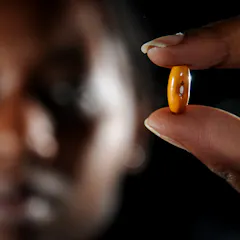
How scientists and corporations are plundering the developing world for new substances.
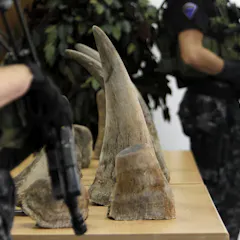
A company plans to flood the market with synthetic rhinoceros horn in an effort to slow poaching but these types of commercially driven conservation efforts are fraught with problems.
Top contributors
-

Research Fellow in Conservation Marketing, University of Oxford
-
Chercheuse en développement durable, sciences sociales et technologie, GEM
-
Professor of Global Health Law, Cardiff University
-
Professor of Law, L’Université d’Ottawa/University of Ottawa
-
Evolutionary Genomicist, Department of Molecular Medicine, University of Utah
-
Senior Scientia Lecturer (Research), UNSW
-
Dean, Faculty of Mathematics and Natural Sciences, IPB University
-
Postdoctoral Research Fellow, National Centre for Naturopathic Medicine, Faculty of Health, Southern Cross University
-
Artist, Indigenous Knowledge
-
Distinguished Professor in the Department of Medicine and Director, The Centre for Medical Ethics & Law, Stellenbosch University
-
Director-General of Research and Development, Ministry of Research, Technology, and Higher Education
-
Professor, University of Oxford
-
Professor, UNSW
-
Lecturer in Public Policy and Decision Analysis, Universitas Indonesia
-
Adjunct Professor of Economics, School of Global Policy and Strategy, University of California, San Diego