
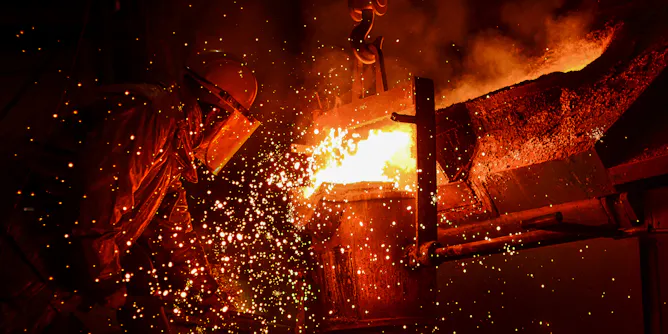
Australia’s abundant wind and solar resources mean we’re well placed to produce the hydrogen a green steel industry needs. But there are technical and economic challenges ahead.
Articles on Biomass
Displaying 21 - 40 of 44 articles
Prominent academics, including a former IPCC chair, round on governments worldwide for using the concept of net zero emissions to ‘greenwash’ their lack of commitment to solving global warming.
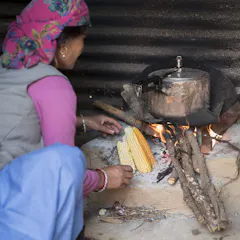
What is the best way to help families sustain transition to clean cooking methods? Research in Bangalore, India offers some answers.
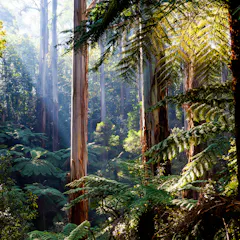
We counted the number of standard trees in Australia. It turns out that since 1990, we’ve actually been gaining trees faster than losing them.
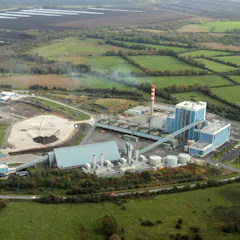
Ireland needs to stop burning peat, and wood from down under presents a surprising sustainability dilemma.
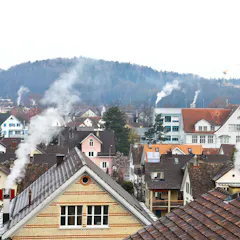
The smoke from wood-burning stoves and fireplaces contributes to air pollution and poor health.
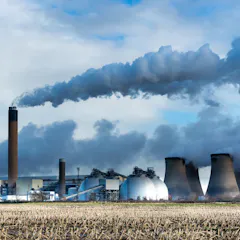
The Drax biomass plant in Yorkshire is the first in the world to pioneer carbon capture and some specialists see it as it has a bright future. But hold the rosy headlines.
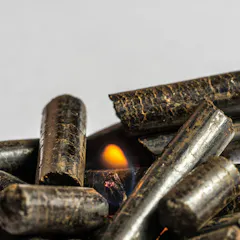
Biomass that’s been through a torrefaction process could do the same duty as coal, with far less water use and less pollution.
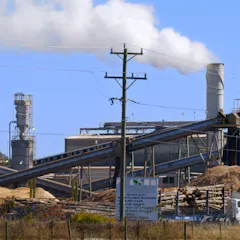
Deriving fuel from trees costs more than wind and solar power and it emits more carbon than coal. There are many heated debates about this kind of energy, known as forest or woody biomass.
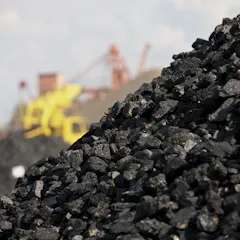
The legacy of the dirtiest of fuels – coal – has the potential to deliver a low carbon energy future.
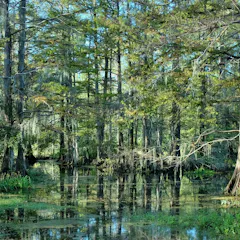
A new report calls U.S. forests an undervalued asset for slowing climate change. It warns that they are being degraded by logging for wood, paper and fuel, particularly in the Southeast.
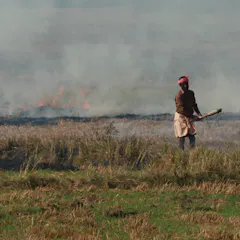
Farmers are setting fire to their straw and spreading air pollution across northern India.
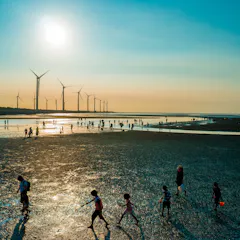
No energy source is perfect, but solar and wind have a much lower health and environmental footprint than fossil fuels, a study finds. Biopower, though, is a mixed bag.
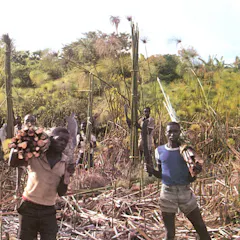
The capacity of woody biomass to provide the energy requirements for sub-Saharan Africa is declining. Papyrus wetlands are a sustainable source of biomass that holds potential to substitute for wood.
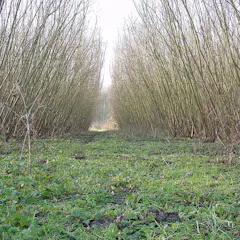
Farmers were supposed to bet big on energy crops like short-rotation willow to help fuel the UK’s biomass fleet. It hasn’t worked out like that.
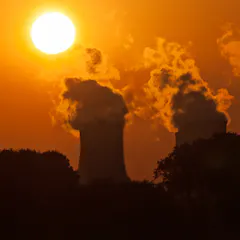
It’s not the ideal renewable energy but biomass is a better bet than coal.

Levulinic acid is derived from plants and can be used to make everything from pharmaceuticals to plastics.
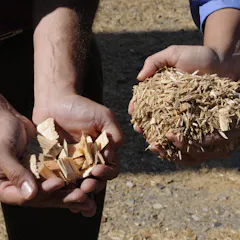
The future of two key energy policies – the EPA’s Clean Power Plan and Renewable Fuel Standard – will decide whether bioenergy will continue to grow in US or not.
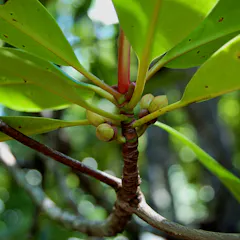
Indonesia is ranked among the world’s top dozen contributors to climate change – but a new study shows that protecting the country’s mangroves could slash its greenhouse gas emissions.
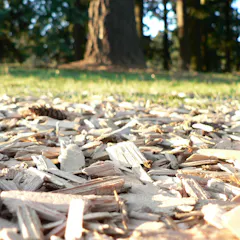
The outcry over the government’s plan to allow wood burning from native forests under the revamped Renewable Energy Target belies the fact that woodchips can be useful and sustainable if harvested responsibly.
Top contributors
-

Reader in Sociology, Cardiff University
-
Honorary Associate Professor, Forest Measurement and Management, Fenner School of Environment and Society, Australian National University
-
Research associate in environmental governance, Cardiff University
-
Senior Lecturer in Chemical and Renewable Energy Engineering, University of Newcastle
-
Professor in science and technology studies, Cardiff University
-
Professor Emeritus of International Environmental Policy, Tufts University
-
Associate Professor in Agri-Sustainability, University of Galway
-
Principal Scientist, Centre for International Forestry Research
-
Researcher in Energy and Process Engineering, Norwegian University of Science and Technology
-
Research Associate, Green Chemistry Centre of Excellence, University of York
-
Research Associate, Luxembourg Institute of Science and Technology (LIST)
-
scientist in the field of renewable energy, Aston University
-
Professor in Industrial Ecology, University of California, Santa Barbara
-
Assistant Professor, Durham University
-
Professor of Forestry, North Carolina State University