
Biological War tells the story of a hypothetical but realistic pathogen that quickly causes anarchy and mass casualties around the world.
Articles on Biological weapons
Displaying all articles

A whistleblower has raised safety concerns about working inside Porton Down, which has a long history of conducting dangerous biochemical research.

‘Dual-use’ AI systems for scientific research might also help nefarious actors create chemical or biological weapons.

The Doomsday Clock is not a precise risk assessment, it’s a flawed but powerful metaphor for the catastrophic risk humanity faces

Lack of effective regulation means the risk of nuclear war is greater than at any time since the end of the Cold War. Other potentially existential military threats remain similarly uncontrolled.

The Russian government used disinformation to fabricate a justification for invading Ukraine. A new campaign focused on biowarfare claims threatens to escalate the conflict.
Scientists have created tiny self-replicating organisms made from frog stem cells. So is this as much of a Pandora’s Box as it sounds? Not yet, but we should carefully weigh the risks and rewards.
The sketchy history of international efforts to control bioweapons suggests that nations will resist cooperative monitoring of gene hacking for medical research.
As the COVID-19 pandemic exacerbates global economic and health insecurities, opportunities to emulate the pandemic’s effects with bioweapons affords terrorists a new model.

Scientists know the bacterium that causes Lyme disease has been out in the wild since long before any biological weapons research could have focused on it. And that’s just for starters.
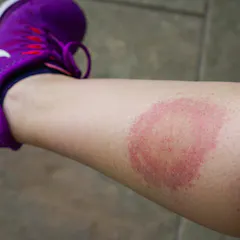
The Pentagon has been instructed by the House of Representatives to investigate whether ticks were infected with Lyme disease by the US military.

A mystery disease that struck US personnel in Cuba and China triggered fears of a sonic weapon. But two experts argue that this is just about leveraging a medical mystery for political gain.
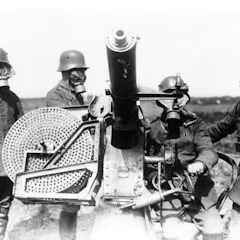
The spectacle of thousands of soldiers gassed to death in France announced to the world that a new class of weapons had arrived.
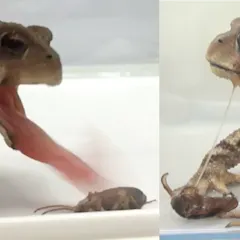
Meet the brawny bug with a concoction so caustic it’ll make a toad vomit.
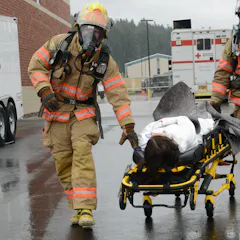
With rapid advances in gene editing, states signed up to the Biological and Toxin Weapons Convention need to do more to prevent CRISPR from becoming a dangerous weapon.
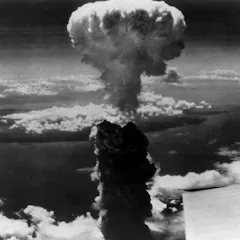
The treaty to stop the proliferation of nuclear weapons has been exceptionally successful. Only nine states have them. Now, efforts are underway to completely rid the world of them.

In early December, the nations of the world are poised to take an historic step on nuclear weapons. Yet Australia sticks out like a sore thumb among Asia-Pacific nations in arguing against change.
Top contributors
-

Professor of Bioethics and Health Policy, University of Miami
-
Senior Lecturer in International Relations, University of Portsmouth
-
Associate Professor in Animal Ecology, University of Gothenburg
-
Honorary Principal Fellow, School of Population and Global Health, The University of Melbourne
-
Associate Professor in Political Studies, University of the Western Cape
-
Associate Fellow, SPRU, University of Sussex Business School, University of Sussex
-
Professor of Infectious Disease and Global Health, Tufts University
-
Honorary Senior Fellow, Department of War Studies, King's College London
-
Professor of the Practice of Politics and Crown Family Director of the Crown Center for Middle East Studies, Brandeis University
-
Herbert J. Ellison Professor of Russian and Eurasian Studies, University of Washington
-
Adjunct Instructor in Cybersecurity, Johns Hopkins University
-
Visiting Fellow, School of Regulation and Global Governance, Australian National University
-
Professor of International Relations, Royal Holloway, University of London
-
Masters Student, Biomolecular Interactions and Biophysical Modelling of RNA viruses, University of Lethbridge
-
Professor of Law, University of Waikato