
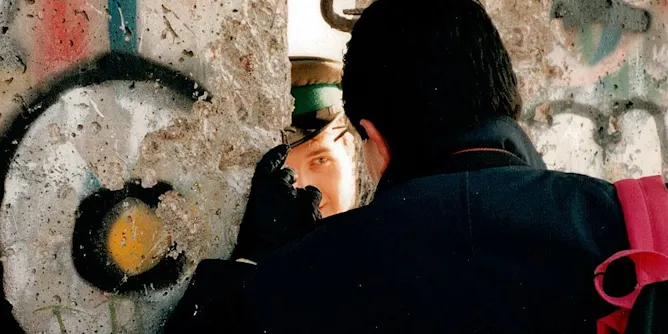
Many couples were forced to undertake dangerous, daring escape attempts to overcome their separation.
Articles on Berlin Wall
Displaying 1 - 20 of 42 articles

European counterproposals reject most of the terms of Trump’s suggested peace deal.
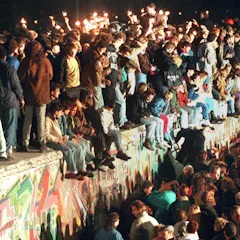
Some relics of the GDR have been torn down, while others are being robbed of their historical meaning through gentrification.
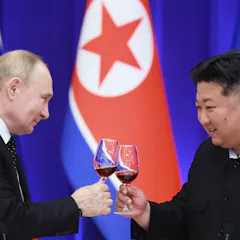
In Autocracy Inc., Pulitzer winner Anne Applebaum suggests there is a “network” among the world’s autocrats, which they use to further their aims and undermine democracy. But is there?
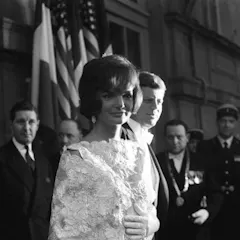
With wealth, charm and tactful leadership, John F. Kennedy set the standard for working toward the common good and decency in public discourse
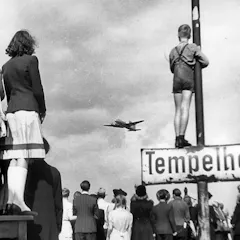
The Soviets controlled the media, set up camps for dissenters and installed politicians who would do their bidding in east Berlin and east Germany.
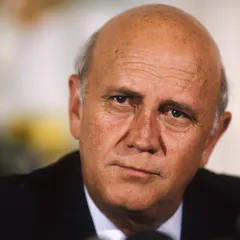
In his new capacity as President of South Africa, FW de Klerk directly experienced for the first time how the international community had abandoned its support for minority white rule.
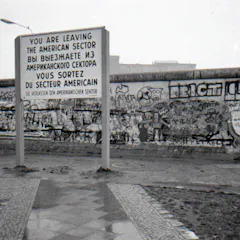
East Germans feel alienated and powerless. They see themselves as second-class citizens, while outsiders live high on what is rightfully theirs.
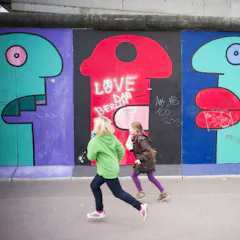
When the wall fell – education equality did too.
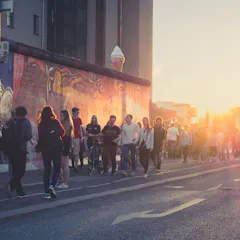
Berlin’s rapid transformation is proof that cities can overcome conflict – but the fight against injustice doesn’t end there.
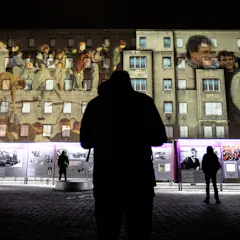
The decision to move the Stasi files into the German national archive has sparked debate of how memories of life before reunification should be handled.
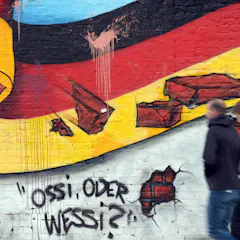
The collapse of the East German economy following unification has combined with racism and neoliberalism to feed far right support.
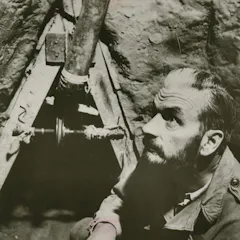
A media historian uses declassified government documents to show how both sides of the Iron Curtain worked to have the projects canned.

Marking the end of the Cold War offers the chance to reflect on the changes and continuities in African politics and international relations since 1989.
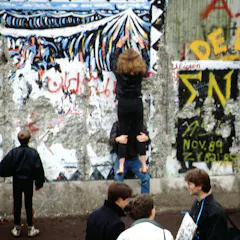
Young people from both East and West Germany congregated in nightclubs which were hastily thrown up in the spaces where the Wall had dominated.
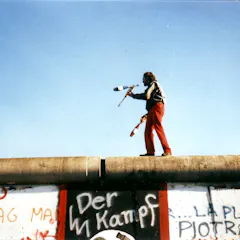
In 1989, Francis Fukuyama pronounced that history had ended. How wrong he was.
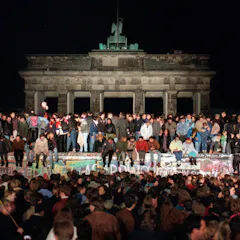
It would be easy to assume that outbreaks of extreme-right groups in the former east are a legacy of its communist past, but the idea does not bear scrutiny.
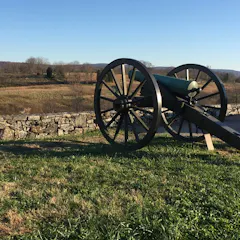
Protected from development, natural landscapes worldwide are emerging from the violence of war.
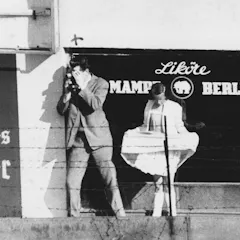
30 years after the fall of the Berlin Wall, covert surveillance images offer us an unparalleled look at the lives of people trying to escape from the east to the west.
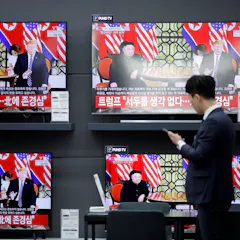
Without its communist Soviet-style economy, North Korea would just be South Korea.
Top contributors
-

Professor of International Security, University of Birmingham
-
Professor of International Security, Jean Monnet Professor of European Security, National University Odesa Law Academy
-
Associate Professor of History, The University of Queensland
-
Professor Emeritus of Public Law, University of Cape Town
-
Professor of Education and Sociology, American University
-
Assistant Professor of International Education, Graduate School of Education and Human Development, George Washington University
-
Professor in Contemporary European History, University of Stirling
-
Professor of Economics, Royal Holloway, University of London
-
Senior Research Fellow, Centre for the Advancement of Scholarship, University of Pretoria., University of Pretoria
-
Lecturer, University of Melbourne, The University of Melbourne
-
Associate Professor of Journalism, Indiana University
-
Professor of Politics, University of Sydney
-
Principal Fellow and Professor of Music, The University of Melbourne
-
Professor of Modern Languages and German Studies, University of Birmingham
-
Professor of Political Science, INSEAD