

The real test is not whether governments can remove children faster. It’s whether they can invest enough that fewer children need to be removed at all.
Articles on Australian public policy
Displaying 21 - 40 of 78 articles

The government has increased the cost of applying for partner visas by 25%. It’s a system that ensures migration revenue while worsening the burden on couples.

There’s no doubt open justice is at crisis point in Victoria following sustained negative media reporting. But it can be improved.

The annual event is an opportunity to honour one of the world’s oldest continuing cultures, but its origins are in Australia’s first civil rights movements.

No one can seem to agree what the level of migration to Australia should be. This is partially because governments don’t really make careful, considered plans.

As long as the debate stays politicised, anti-immigration sentiment will persist, and so will support for the parties that trade on it.

Think it’s easy to get a visa to Australia? Or that migrants get government benefits? Think again.

History shows immigration policy in Australia is full of yes-no contradictions: fear jostling with hope, exclusion with openness.

From July 1, government-funded paid parental leave increases from 24 weeks to 26 weeks. While welcome, many challenges remain for new parents, particularly mothers.

New research shows despite increased government funding, Australia’s child protection system isn’t getting better outcomes. Here’s why.

One million children are meant to receive child support each year. Proposed changes will help them in some ways, but fall short of addressing big problems.
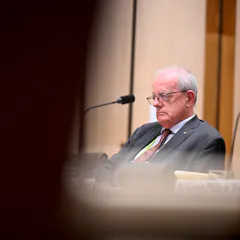
The resignation of Paul Brereton reflects flaws in how we set up our integrity agencies. Here are 3 ways to ensure these bodies are truly independent.

The key figures from the federal budget, from negative gearing changes to tax cuts for workers.

Results from a new national survey show Australians feel worse about many things than they did during COVID. Now governments need to use these data to do better.

Research shows where those cost-of-living stresses are greatest. It’s not the vast bulk of middle income Australia, but working age welfare recipients.

The government has been working to fulfil its modest promises and address people’s pressing concerns. But not everything is going according to plan.
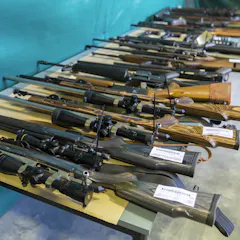
The federal government gave the states an April 1 deadline to sign on to the buyback. With that date come and gone, the future of the plan is up in the air.

A new report looks at poverty and deprivation across the country since 2010. Disadvantage is becoming more entrenched and severe.

The affair is a cautionary tale of what happens when negative campaigning, misinformation and clumsy politicking collide to kill policy – and political careers.

Over the years, WorkChoices has become shorthand for policy disaster. It forever changed the political landscape on industrial relations reform.
Top contributors
-

Democracy Deputy Program Director, Grattan Institute
-
Associate Professor in Criminology, Deakin University
-
Professor and Director of the Migration Hub, School of Regulation and Global Governance, Australian National University
-
Chief Executive, Grattan Institute
-
Professor of Law, UNSW Law School, UNSW
-
Director, Centre for Western Sydney, Western Sydney University
-
Postdoctoral research fellow, Flinders University; University of Canberra
-
Emeritus Professor of Housing, UNSW
-
Senior Research Fellow, School of Psychology, Deakin University
-
Professor of Economics and Director, Tax and Transfer Policy Institute, Crawford School of Public Policy, Australian National University
-
Project Manager, School of Psychology, Deakin University
-
Professor of Political Sociology, Institute for Culture and Society, Western Sydney University
-
Honorary Professor of Housing Policy and Practice, City Futures Research Centre, UNSW
-
Lecturer and Discipline Lead (Migration), Thomas More Law School, Australian Catholic University
-
Associate Professor, Griffith Criminology Institute, Griffith University