
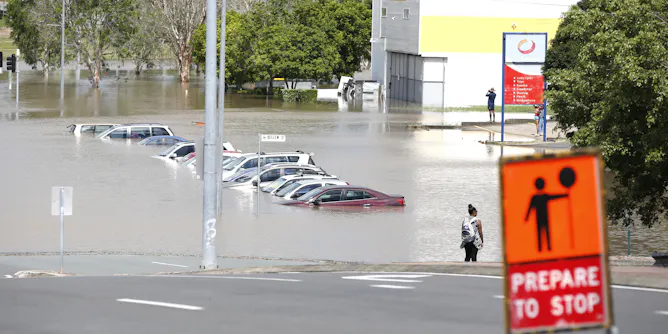
Engineering practice assumes that floods are randomly distributed but science suggests they are not. This raises questions about the reliability of flood infrastructure and management strategies.
Articles on Australian natural hazards series
Displaying all articles
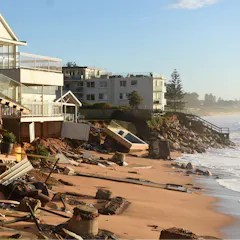
Many Australians live on the coast, but how much do we know about the risks? While average sea levels are relatively easy to gauge, the risk of flooding also depends on weather, landscape, and climate.
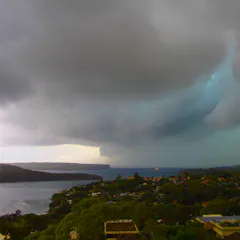
Severe storms bring a complex mixture of weather conditions, often in a very localised area. This unpredictability can make them very damaging, and very hard to study too.
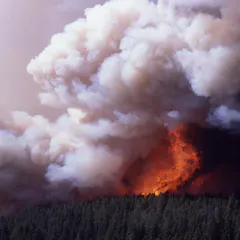
When a bushfire rages so high it creates its own thunderstorm, it becomes a ‘firestorm’ - and makes life much more difficult for firefighters. We still have a lot to learn about what triggers them.
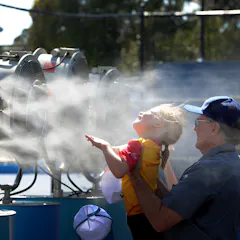
Heatwaves are Australia’s deadliest type of natural disaster. But while we know a lot about the weather patterns behind them, more research is needed to forecast accurately their impacts on people.
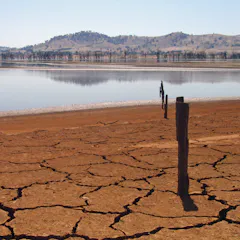
Droughts are much bigger and slower than other natural disasters that hit Australia - meaning that despite their huge impacts, we still haven’t figured out how best to protect ourselves.
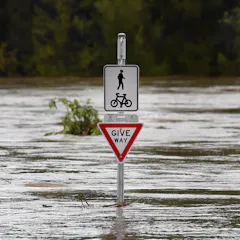
Floods are a costly part of Australian life, which means we need to get better at predicting exactly when - and how severely - they are likely to strike in the future.
Top contributors
-

Head of the Centre for Water, Environment, Sustainability and Public Health, University of Strathclyde
-
Associate Professor, School of Civil, Environmental and Mining Engineering, Adelaide University
-
Associate Professor – Hydroclimatology, University of Newcastle
-
Associate Professor, School of Civil and Environmental Engineering, UNSW
-
Professor of Bushfire Dynamics, School of Science, UNSW Canberra, UNSW
-
Deputy Director, Engagement and Impact, The ARC Centre of Excellence for the Weather of the 21st Century, Australian National University
-
Littoral oceanographer, CSIRO
-
Senior Principal Research Scientist, Environment, CSIRO
-
Senior research scientist, CSIRO
-
Professorial Fellow, School of Earth Sciences, The University of Melbourne
-
Professor, Climate Change Research Centre, UNSW