

A long historical progression has brought technology to the masses – and will expand our capabilities as far as we can imagine.
Articles on Augmented reality
Displaying 81 - 100 of 108 articles
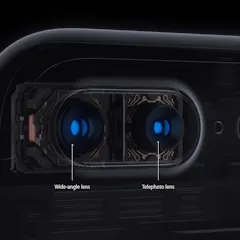
Pokemon Go brought augmented reality to people’s attention, but dual camera smartphones will make it much more useful for the future.
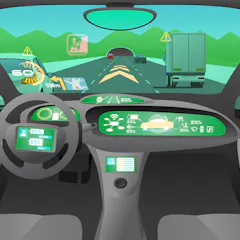
Augmented reality systems need to display relevant information in a useful location. That’s impossible without eye tracking.
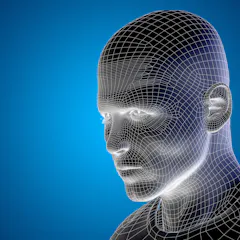
Subtle manipulation of virtual reality can radically change how we respond without us even realising it.
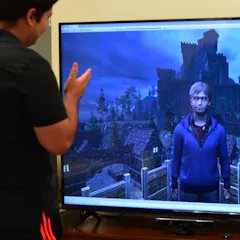
Computers can become virtual companions, teachers, coaches and therapists. They can incorporate awareness of physical surroundings with human needs, preferences and even personality.
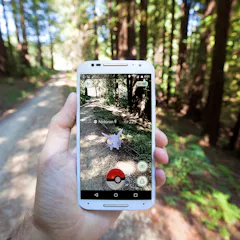
You might worry that people care more about what’s on their smartphone than what’s in their local wildlife park. But what if we could get them to care about both at the same time?
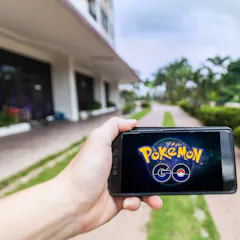
What if someone made your house a site for Pokémon battles?
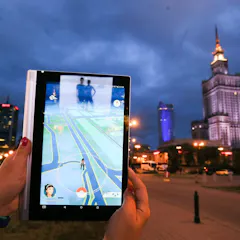
What if the most interesting thing the Pokémon Go phenomenon offered was where it leads you?

What research into game play and human interaction can tell us about why the newest mobile game craze is attracting so many different people to play.
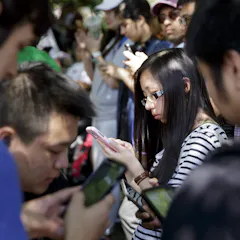
Augmented reality games have been around for more than a decade, so what was it about Pokémon GO that allowed it to become a global phenomenon?

The Pokemon GO craze has transformed a generation of gamers who admit they would otherwise be inside watching TV, surfing the internet, or playing console games.

Pokémon’s new augmented reality app reveals the challenges we’ll face when robots and other autonomous technologies become commonplace.
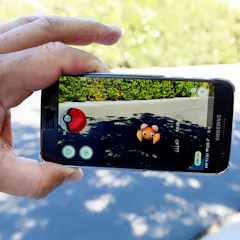
The latest Pokémon GO craze is transforming some public and private spaces as people interact with the game via their smartphone. In some cases, this might unwelcome, even problematic.
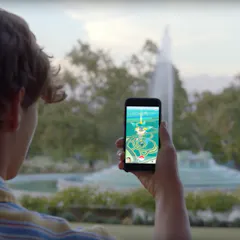
Within days of its release the new Pokémon Go had got people pounding the streets trying to capture virtual creatures. But already there are concerns over the risks it poses to gamers.
Sounds scary … so should we be worried?
As more companies move towards intelligent, natural voice controlled devices, is the writing on the wall for the keyboard and mouse?
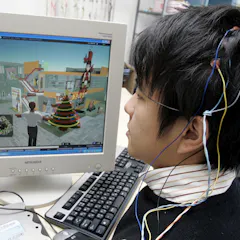
Educational technology is not science fiction. Lecturers need to ensure that they adapt to a future which has already arrived.
Many people are concerned about artificial intelligence. But new technologies like augmented reality are blurring the lines between us and the machines.

Apps have been with us for less than 10 years, but have changed the way we use our phones.
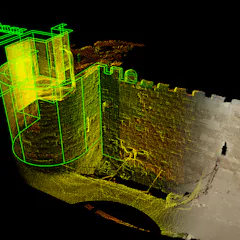
Here’s how some of the world’s oldest cultural institutions are using drones and 3D printing to bring their collections to life.
Top contributors
-

Professor in Human-Computer Interaction, ARC Future Fellow, University of Sydney
-
Senior Lecturer in Digital Cultures, Australian Research Council DECRA Fellow, University of Sydney
-
Assistant Professor of Architecture, The University of Western Australia
-
Professor & Director, Hub for Apple Platform Innovation (HAPI), School of Computing Technologies, RMIT University
-
Professor of Virtual Heritage and Interactive History, Adelaide University
-
Assistant Professor, Faculty of Business, University of New Brunswick
-
Senior Lecturer in Visualisation, Bangor University
-
Associate Professor, Film, Screen and Creative Media, and Associate Dean Engagement, Bond University
-
Professor, Computer Science, University of Sydney
-
Researcher in Virtual Reality, Auckland University of Technology
-
Senior Lecturer in Digital Marketing, University of the West of Scotland
-
Associate Professor of Design Science, Queensland University of Technology
-
Research Fellow, Kinsey Institute, Indiana University
-
Senior Lecturer in Communication, Deakin University
-
Lecturer in Human Computer Interaction, Bangor University